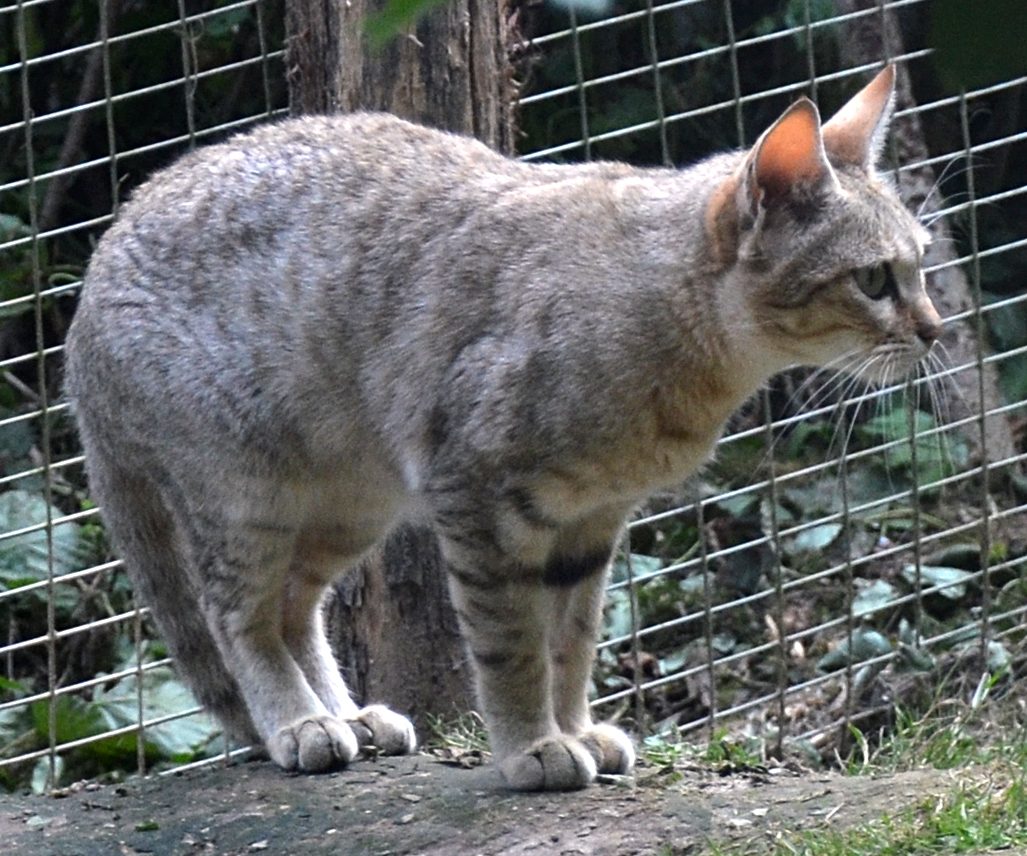
 Captive image · Vassil
01LC
Domestic cat lineage
Afro-Asiatic wildcat
Felis lybica
The wild ancestor of the domestic cat still persists across Africa and Southwest Asia.
Explore full profile
The Species Explorer
41
From a two-pound desert hunter to the largest cat alive, every species has a different way of belonging to the world.
Filter the family—or begin with the name that catches your attention.
41 cats in view
Captive image · VassilDomestic cat lineage
Felis lybica
The wild ancestor of the domestic cat still persists across Africa and Southwest Asia.
Explore full profile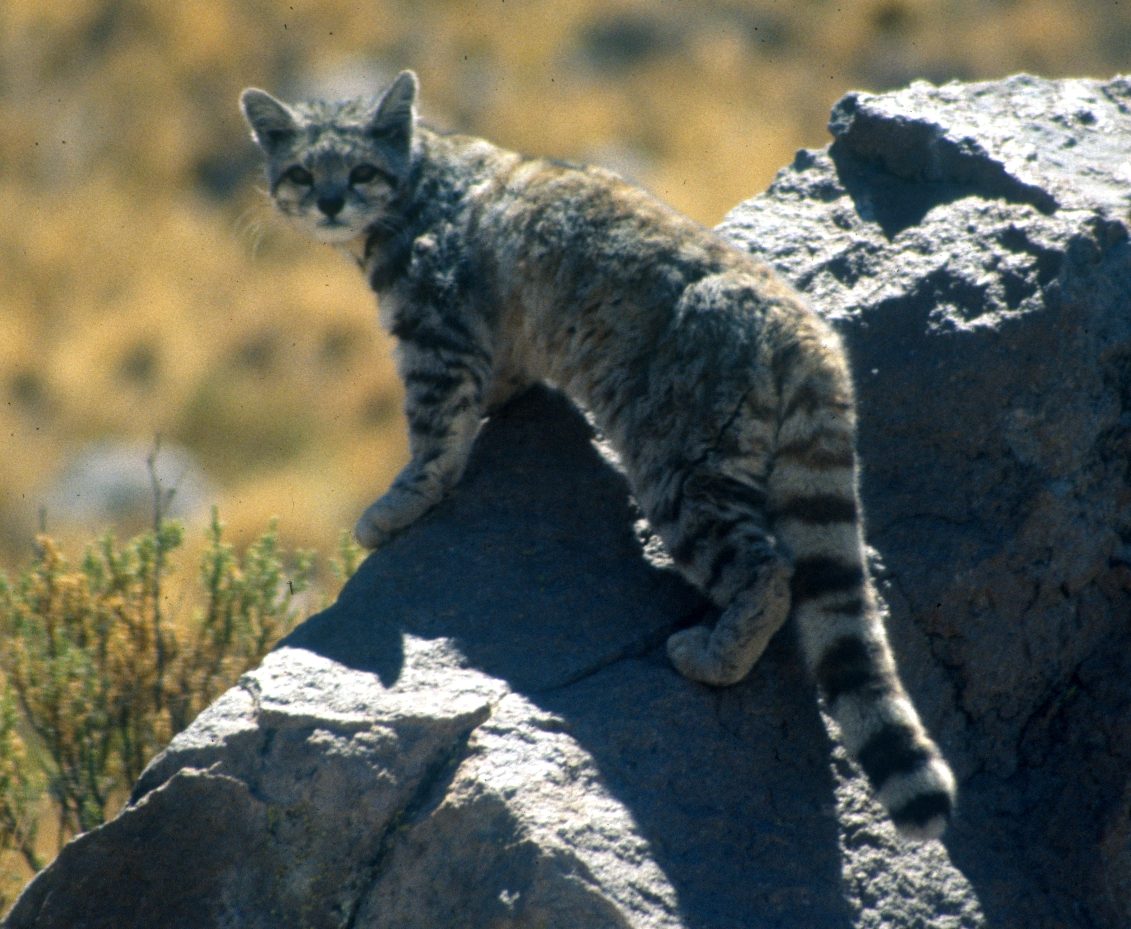 Wild image · Jim Sanderson
Ocelot lineage
Leopardus jacobita
One of the least-known cats on Earth, living among rock and sparse vegetation at extreme elevation.
Explore full profile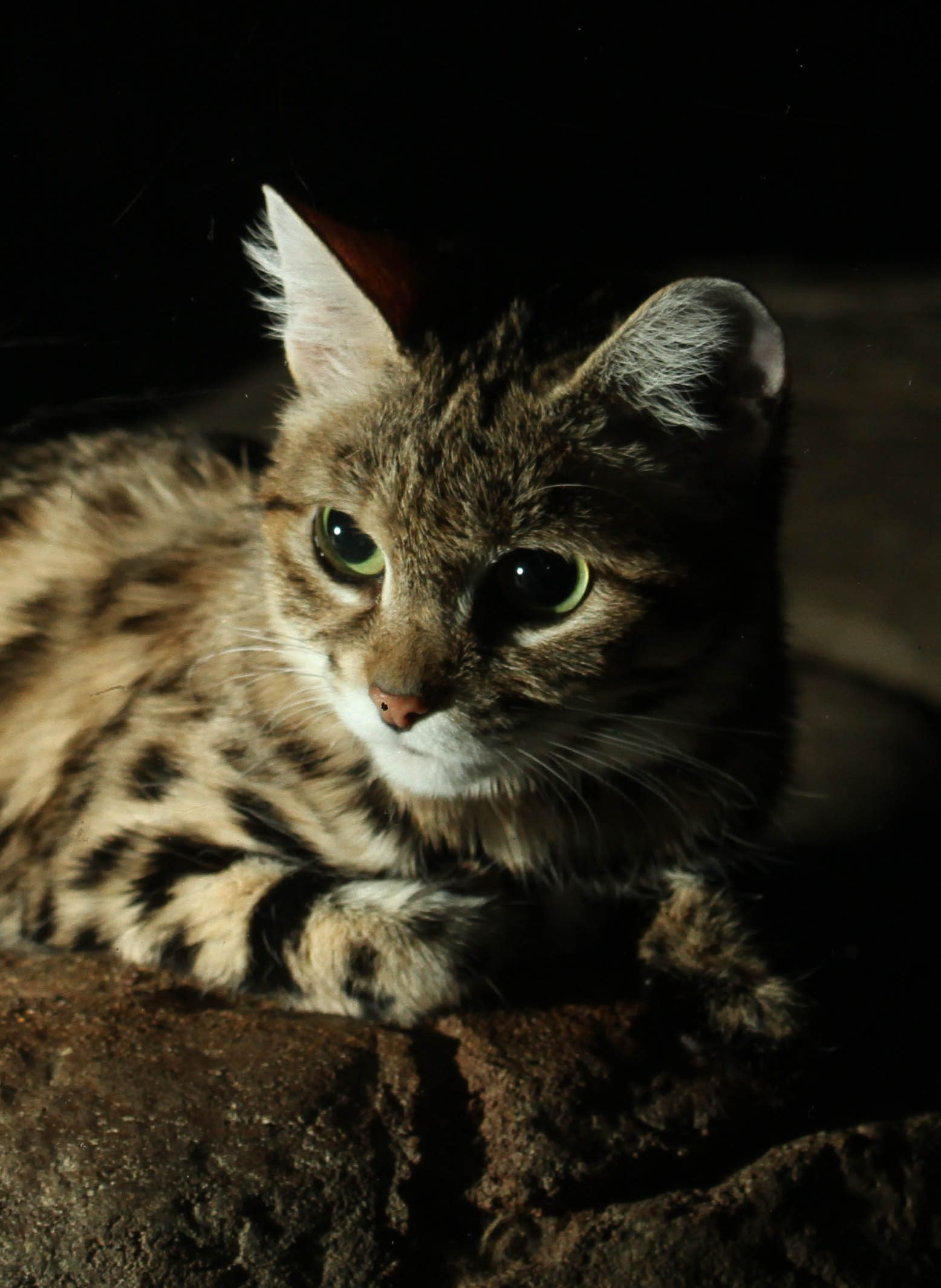 Captive image · Mark Dumont
Domestic cat lineage
Felis nigripes
Africa’s smallest cat is an exceptionally active hunter of dry grasslands and semi-desert.
Explore full profile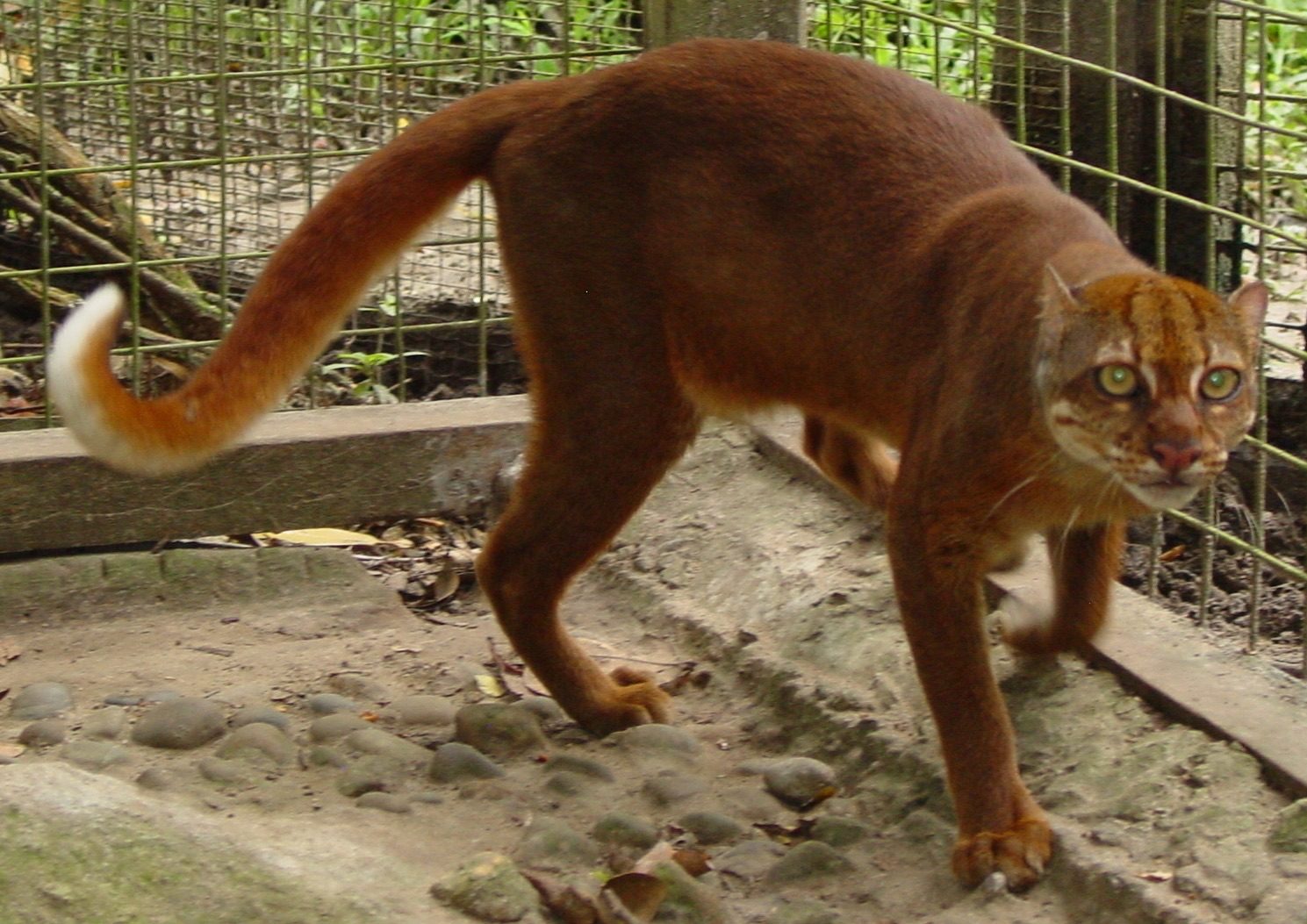 Captive image · Jim Sanderson · crop by Abujoy
Bay cat lineage
Catopuma badia
An island endemic known from remarkably few encounters and camera-trap records.
Explore full profile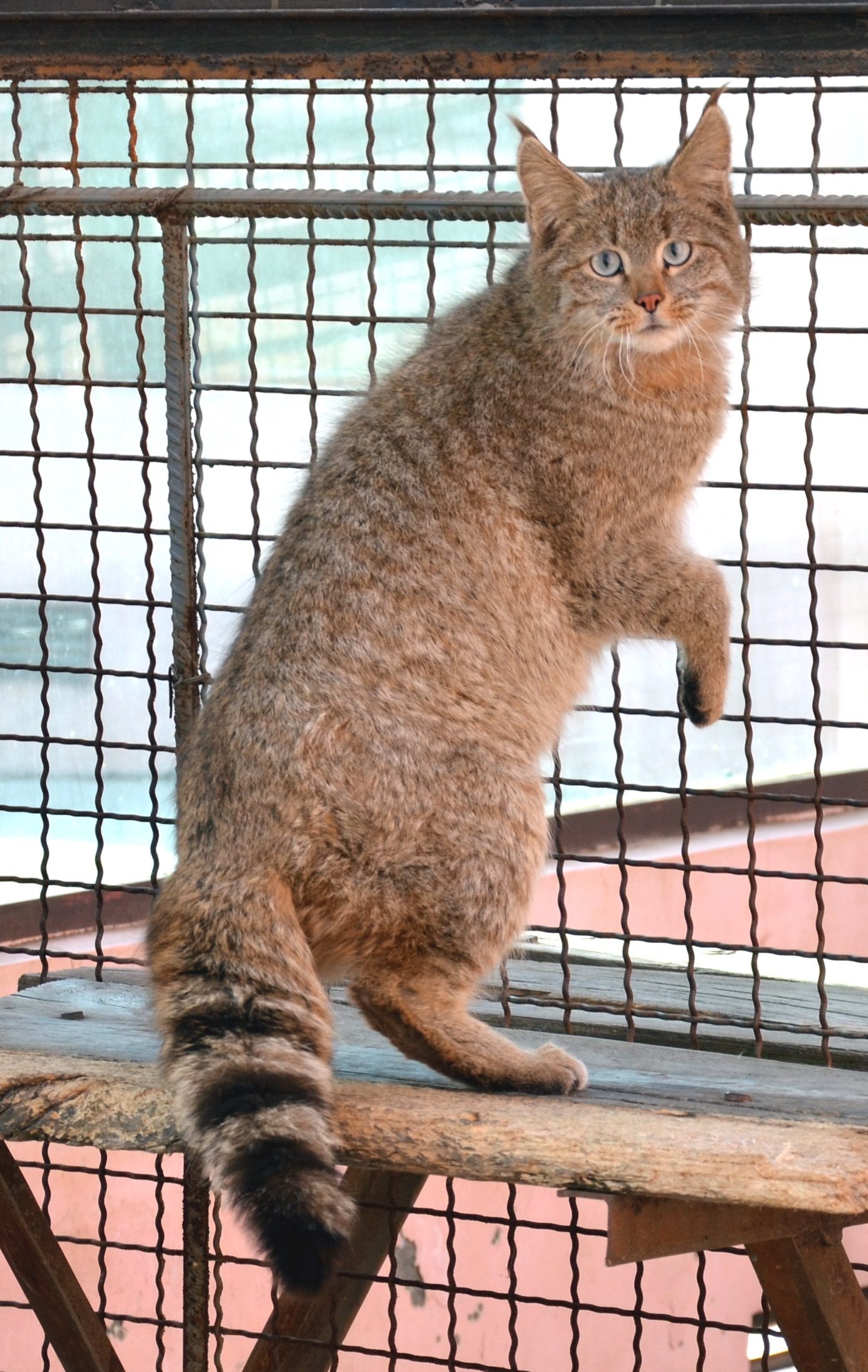 Captive image · Xining Wildlife Park
Domestic cat lineage
Felis bieti
A little-known endemic of the high grasslands and shrublands of the Tibetan Plateau.
Explore full profile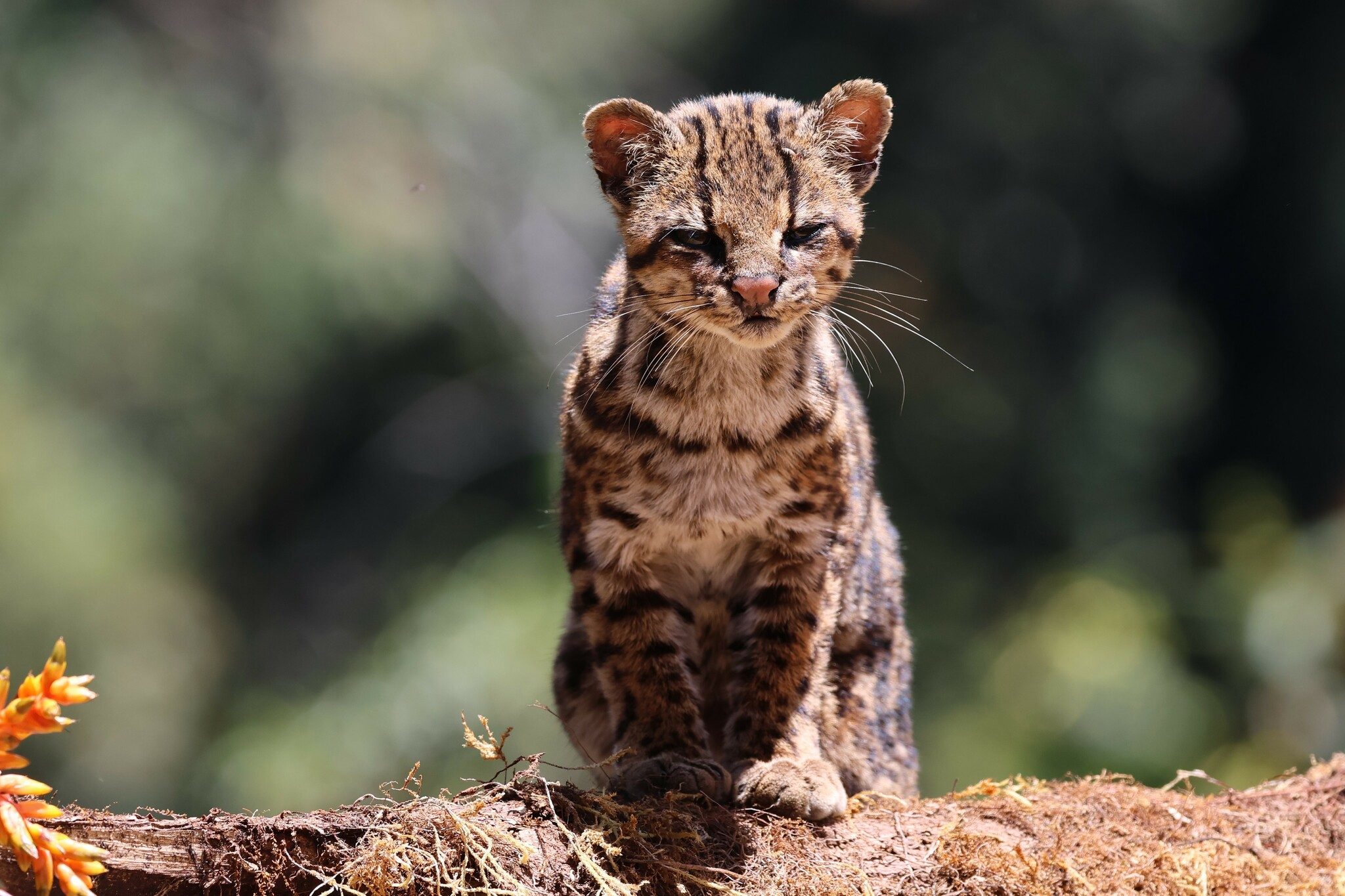 Wild image · Don Wellmann
Ocelot lineage
Leopardus pardinoides
A recently proposed species associated with cloud forests along the Central American and Andean cordilleras.
Explore full profile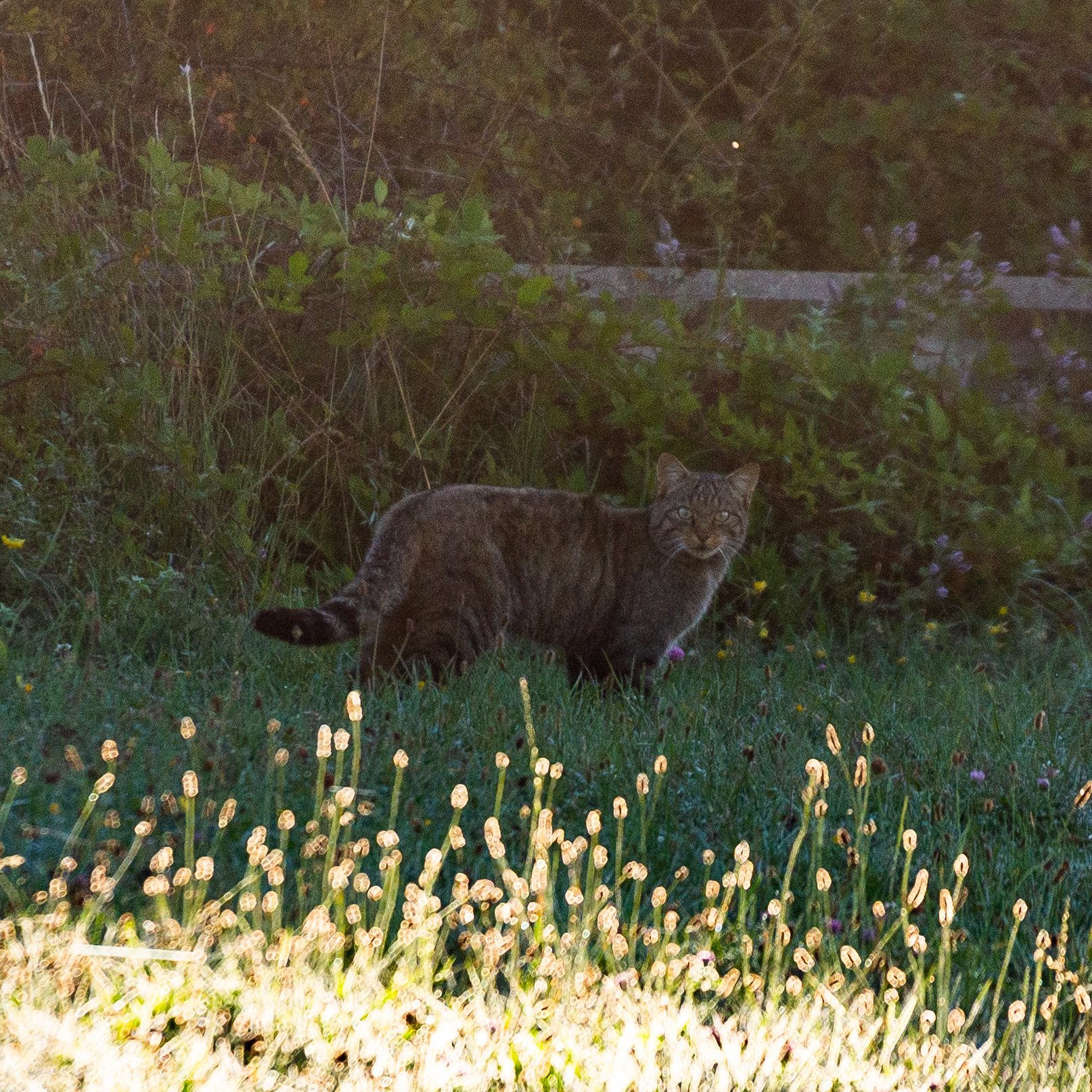 Wild image · euqirneto
Domestic cat lineage
Felis silvestris
A thick-tailed forest cat whose future is complicated by habitat fragmentation and hybridization.
Explore full profile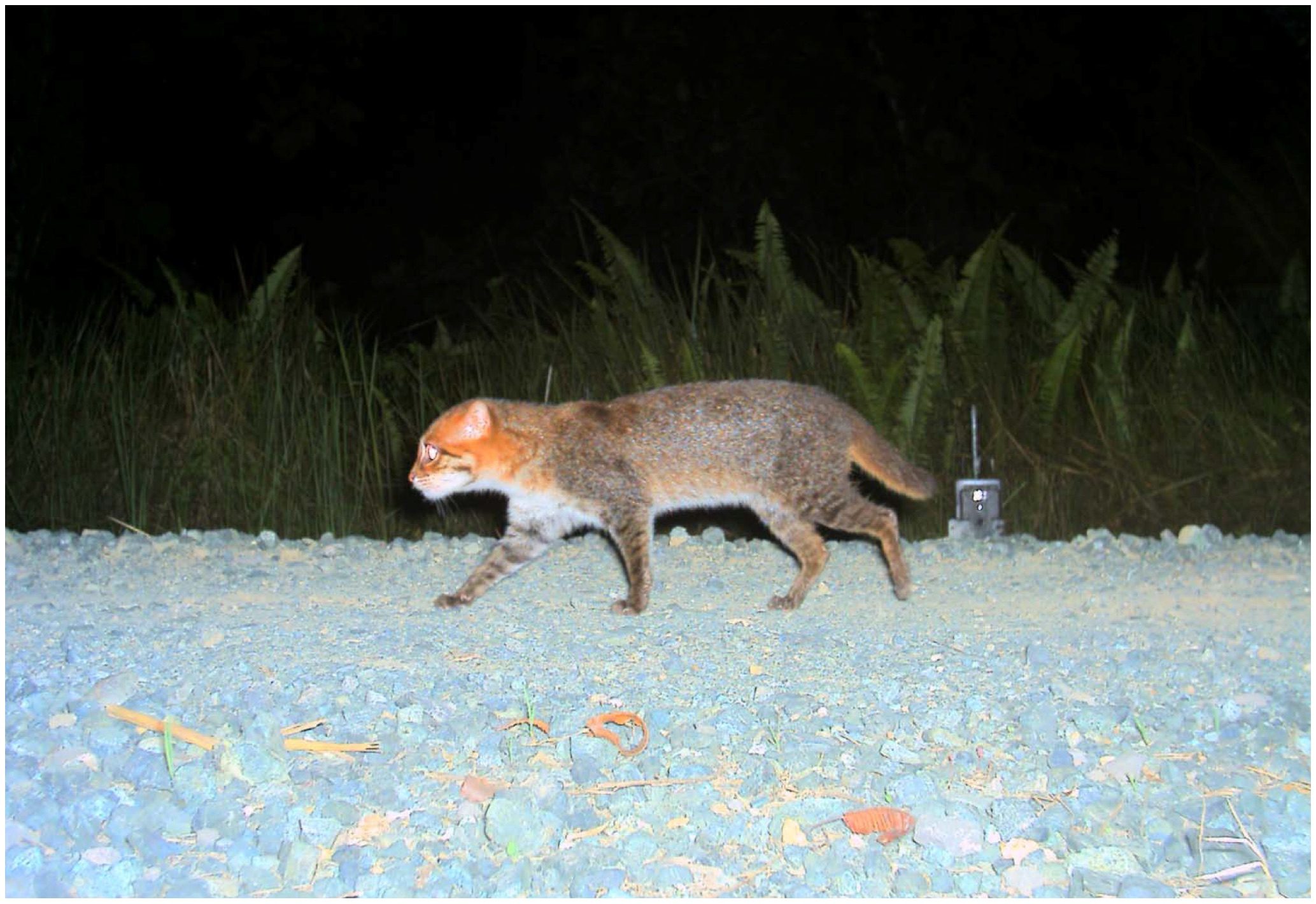 Wild image · Andreas Wilting et al.
Leopard cat lineage
Prionailurus planiceps
A wetland specialist with partly webbed feet and teeth adapted for gripping aquatic prey.
Explore full profile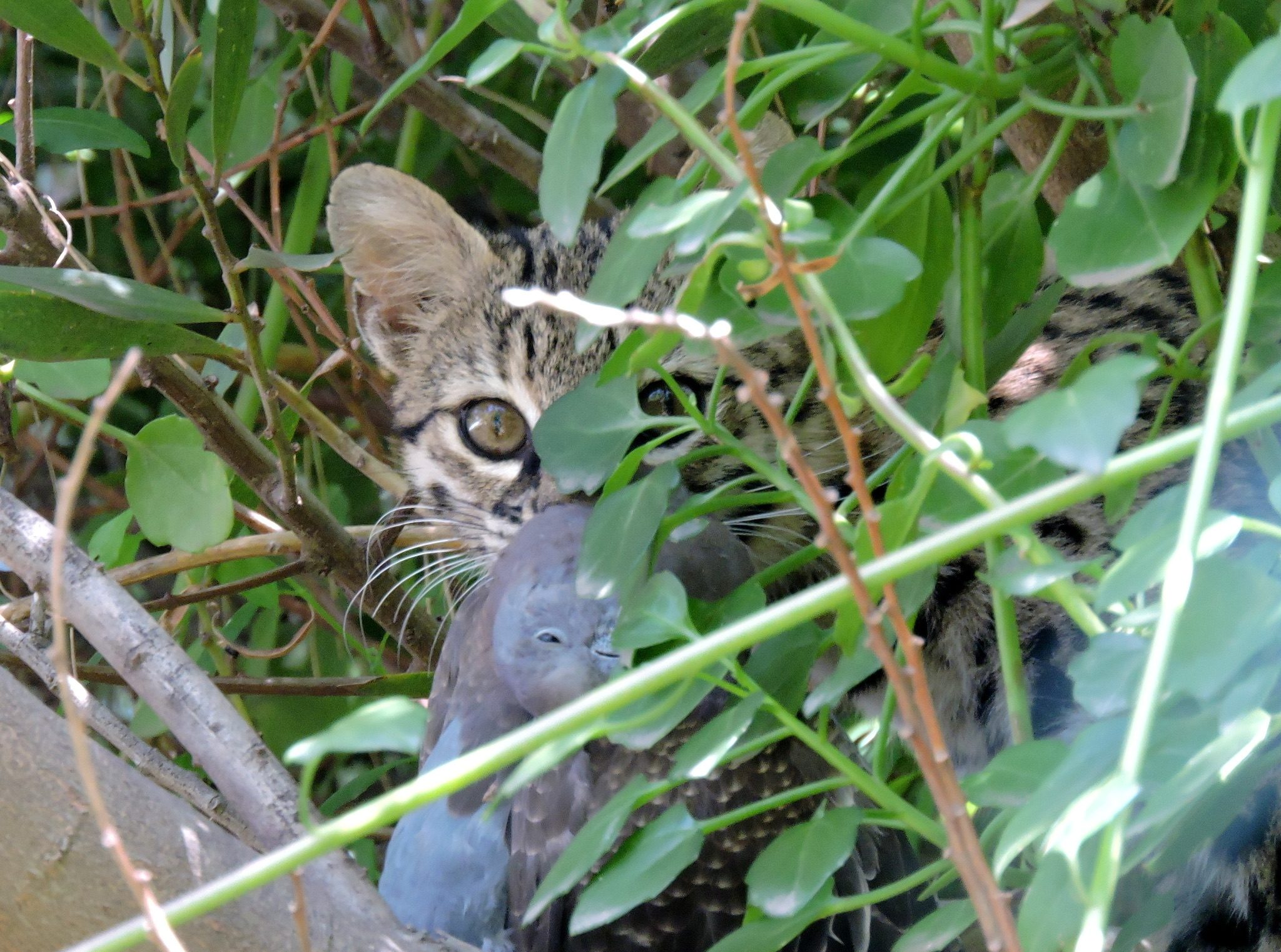 Wild image · Diego Hernan Perez
Ocelot lineage
Leopardus geoffroyi
An adaptable hunter of southern South America’s grasslands, scrub and wetlands.
Explore full profile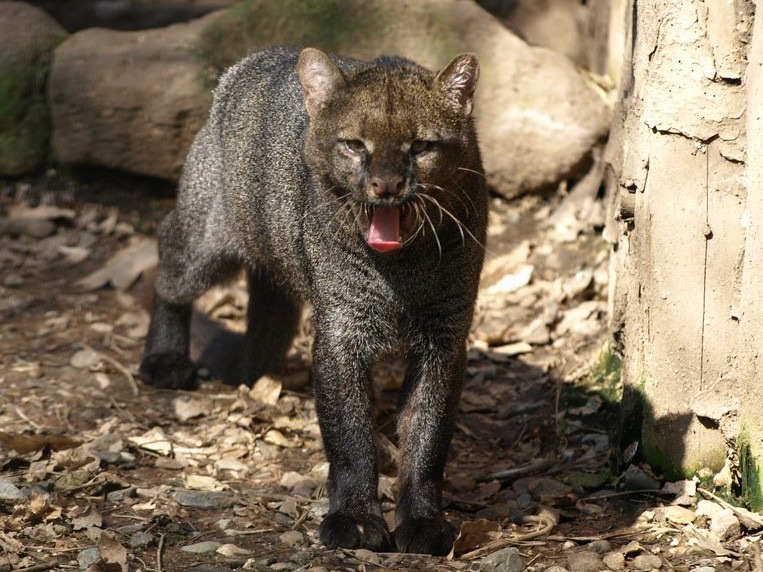 Captive image · Alena Houšková
Puma lineage
Herpailurus yagouaroundi
Long-bodied, short-legged and often active by day, it looks unlike any other cat in the Americas.
Explore full profile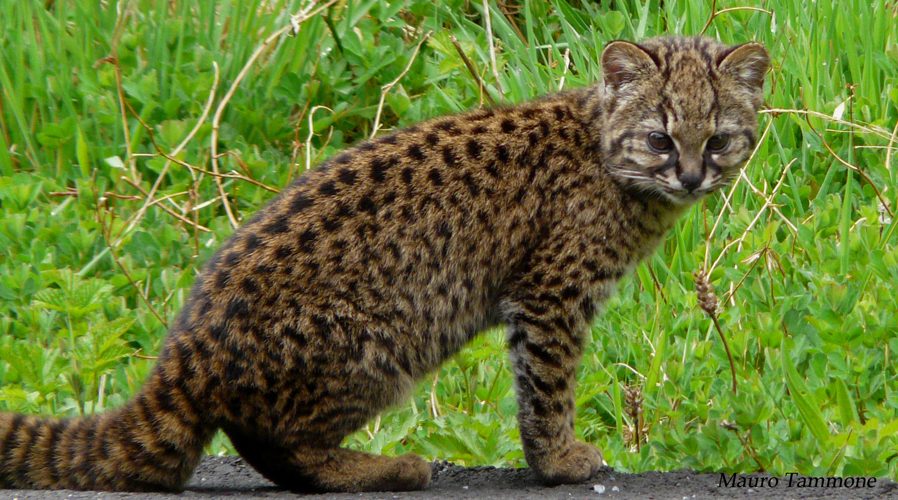 Wild image · Mauro Tammone
Ocelot lineage
Leopardus guigna
The smallest cat in the Americas, closely bound to the temperate forests of Chile and Argentina.
Explore full profile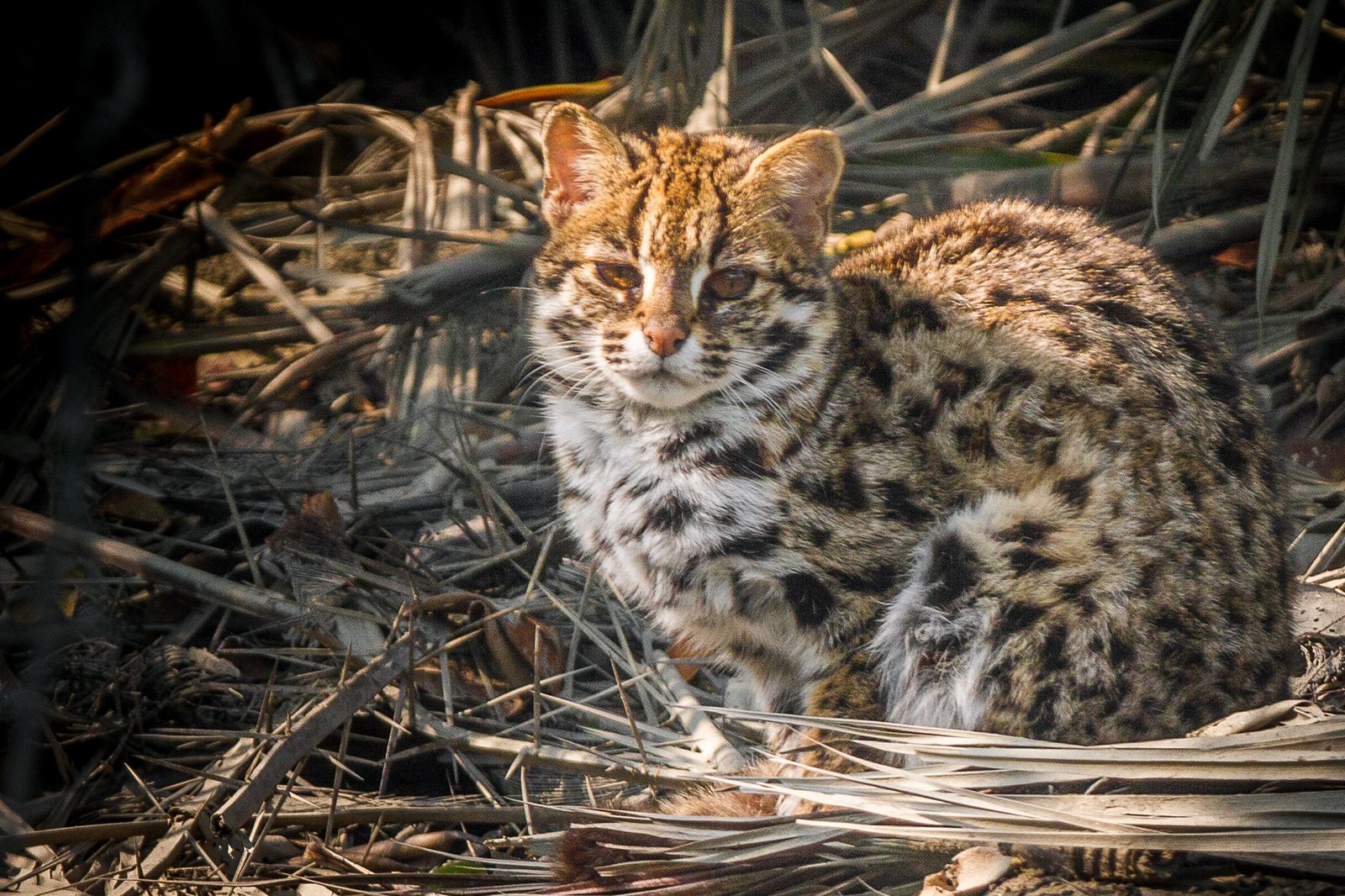 Wild image · Soumyajit Nandy
Leopard cat lineage
Prionailurus bengalensis
A widespread Asian small cat able to use natural forest and some human-modified landscapes.
Explore full profile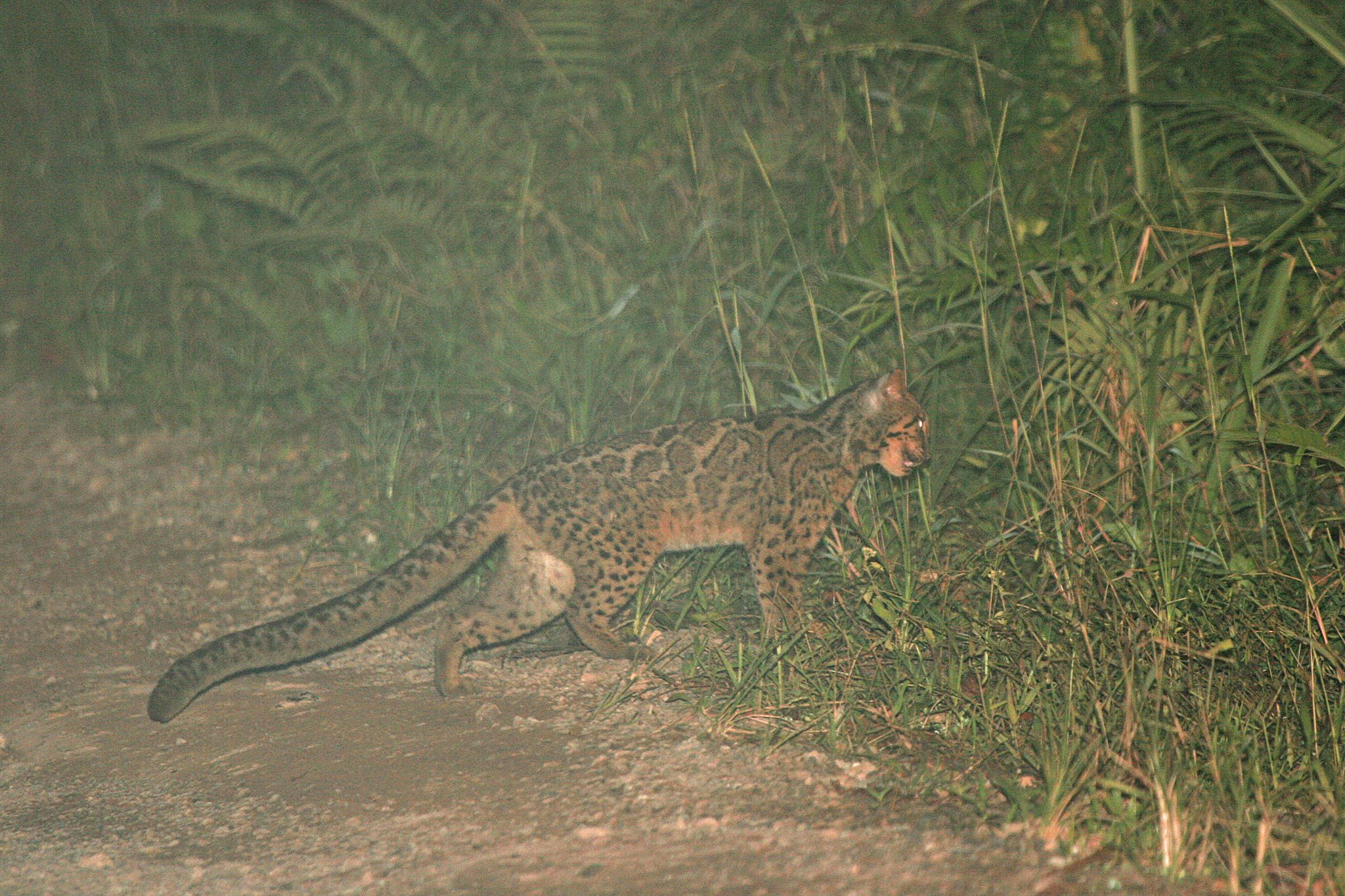 Wild image · James Eaton
Bay cat lineage
Pardofelis marmorata
A long-tailed Asian forest cat whose movement and markings echo the clouded leopards.
Explore full profile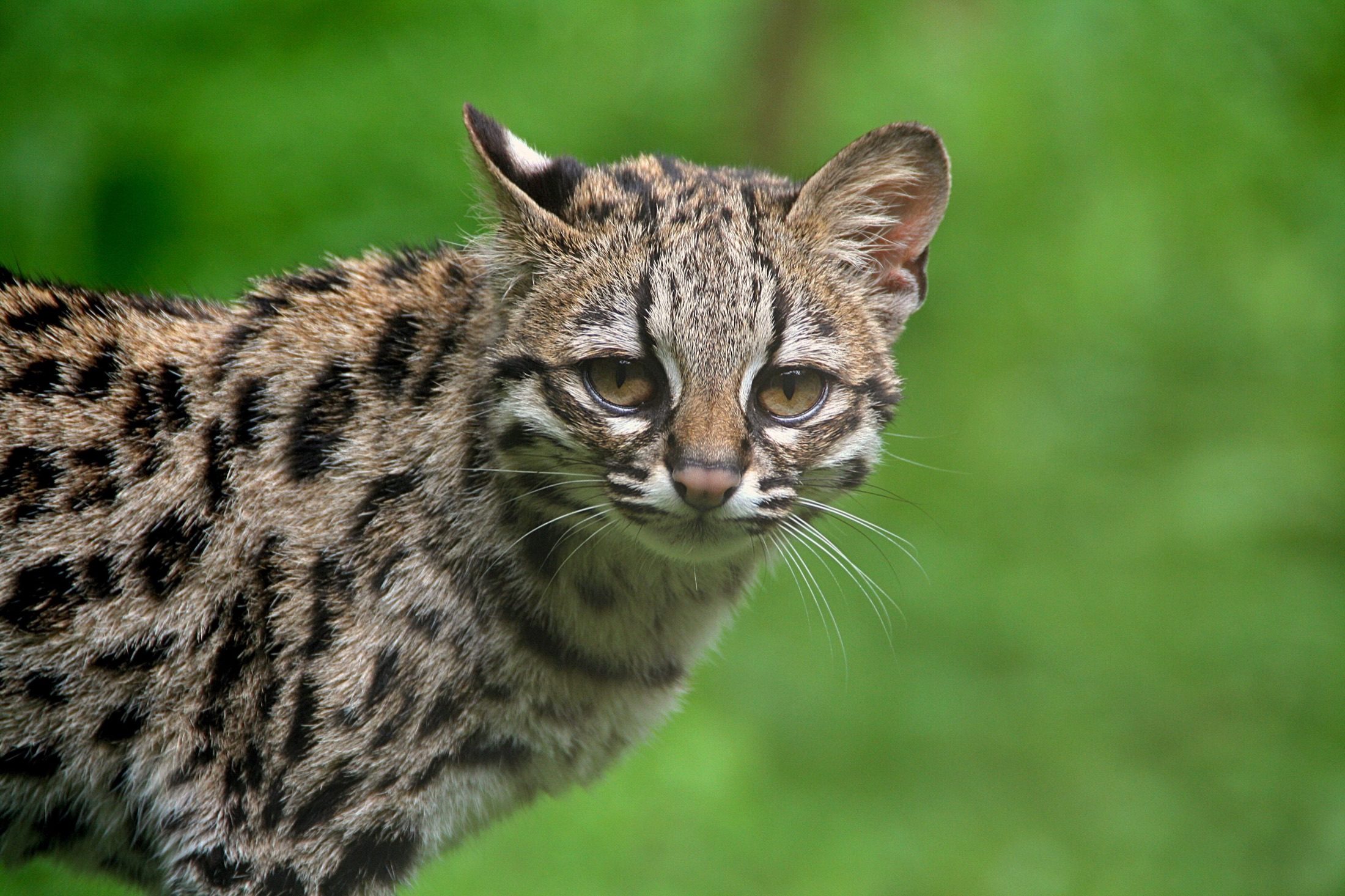 Captive image · Clément Bardot
Ocelot lineage
Leopardus wiedii
Flexible ankles help this canopy specialist descend trees headfirst.
Explore full profile Captive image · Altaipanther
Ocelot lineage
Leopardus tigrinus
A tiny spotted cat of fragmented forests and savannas across the Guiana Shield and northeastern Brazil.
Explore full profile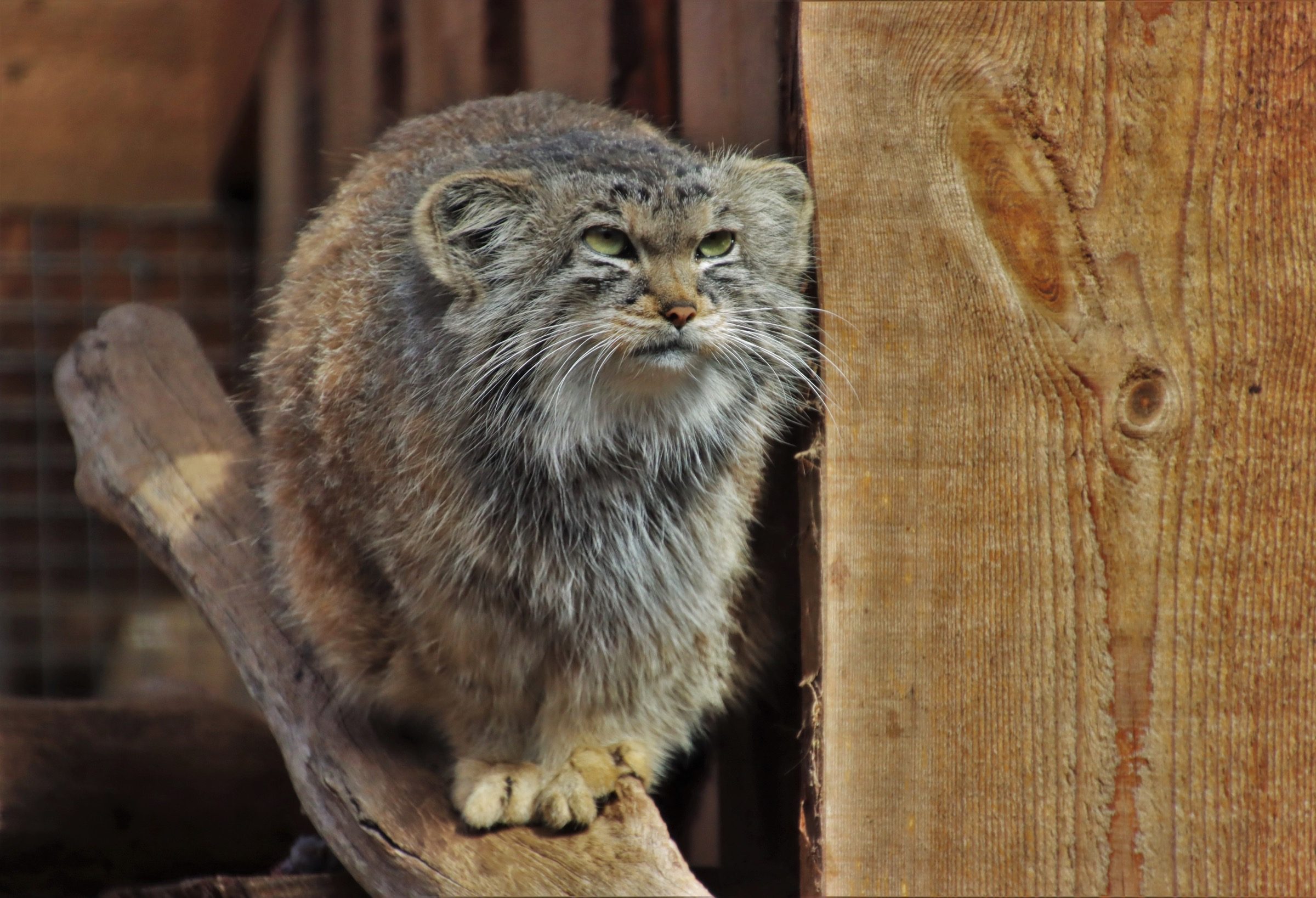 Captive image · Lysette Kadakas
Leopard cat lineage
Otocolobus manul
Dense fur, low-set ears and a flattened profile suit cold steppes and rocky uplands.
Explore full profile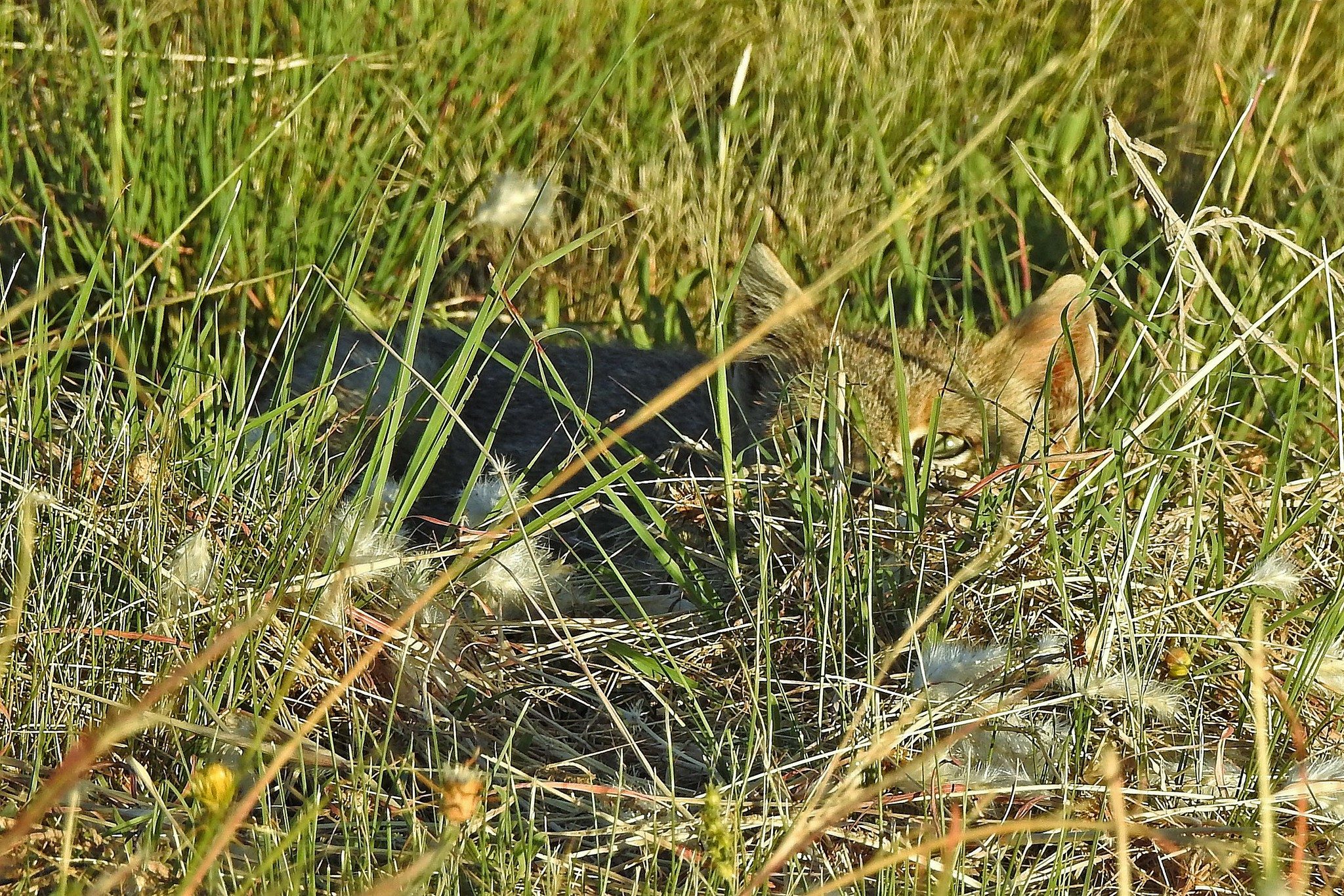 Wild image · Hugo Hulsberg
Ocelot lineage
Leopardus colocola
A variable South American cat associated with open country from low grasslands to the Andes.
Explore full profile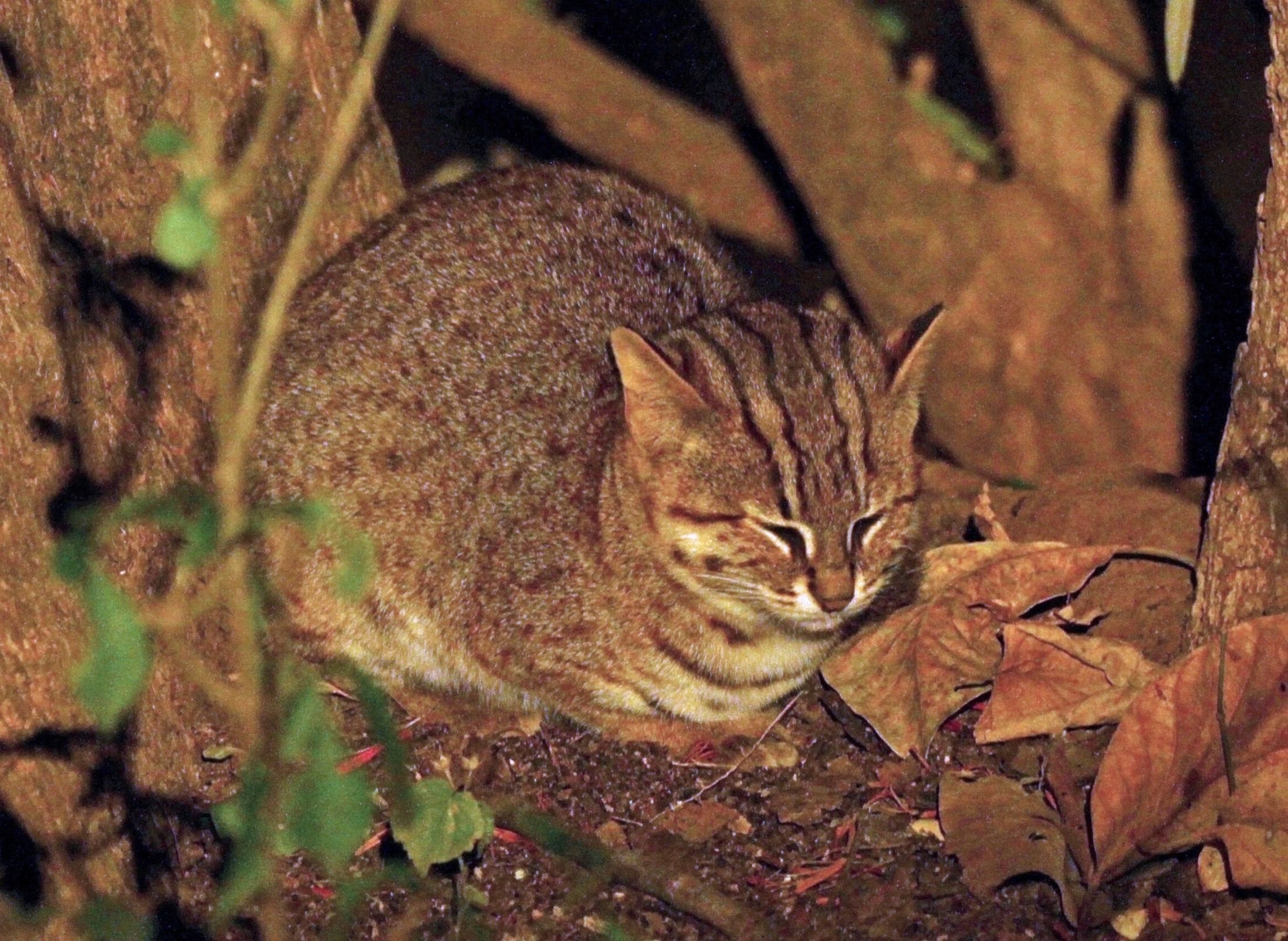 Wild image · David V. Raju
Leopard cat lineage
Prionailurus rubiginosus
Among the world’s smallest cats, yet an agile hunter in forest, scrub and farmland mosaics.
Explore full profile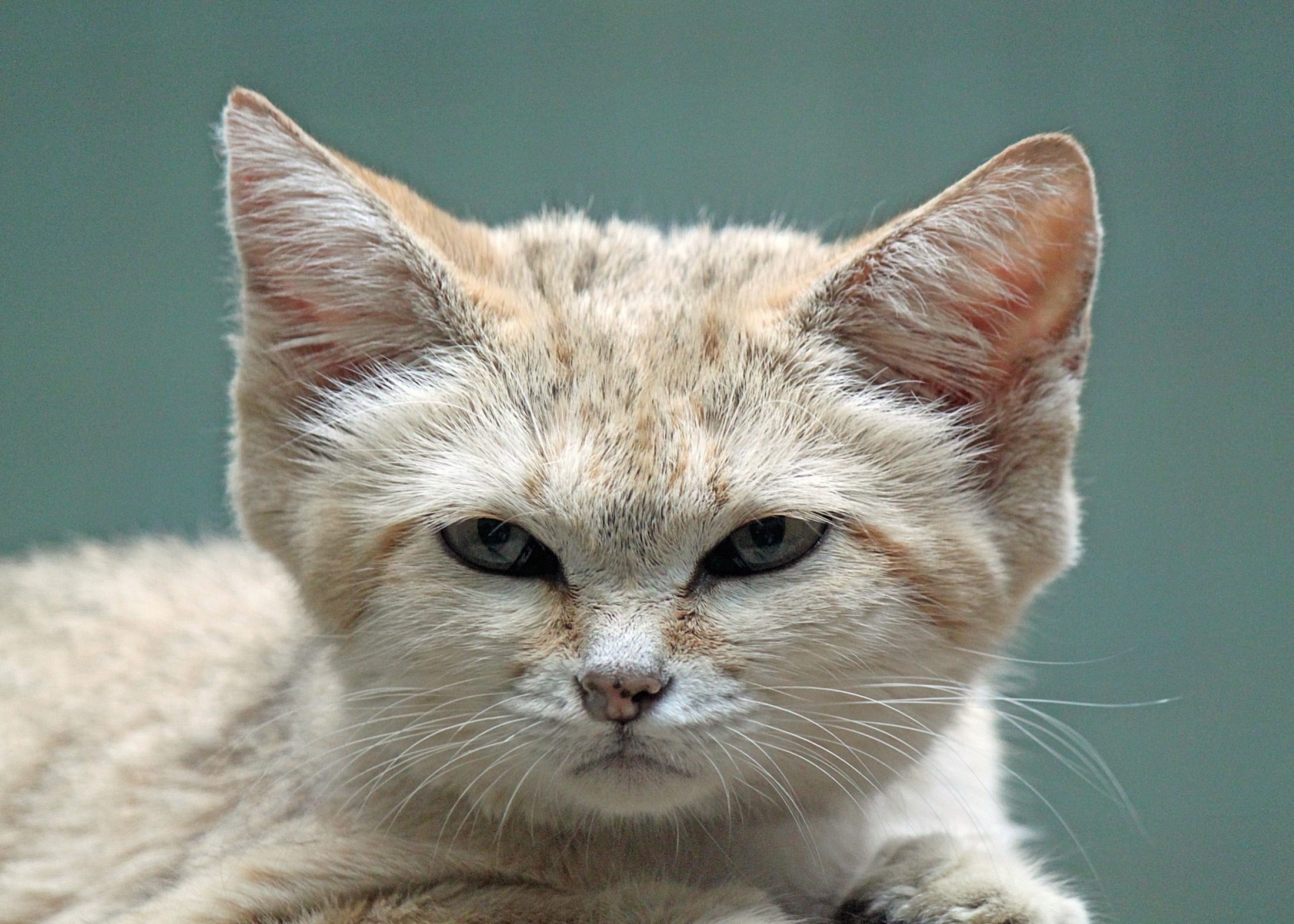 Captive image · H. Zell
Domestic cat lineage
Felis margarita
Furred feet, pale camouflage and extreme heat tolerance make life in true desert possible.
Explore full profile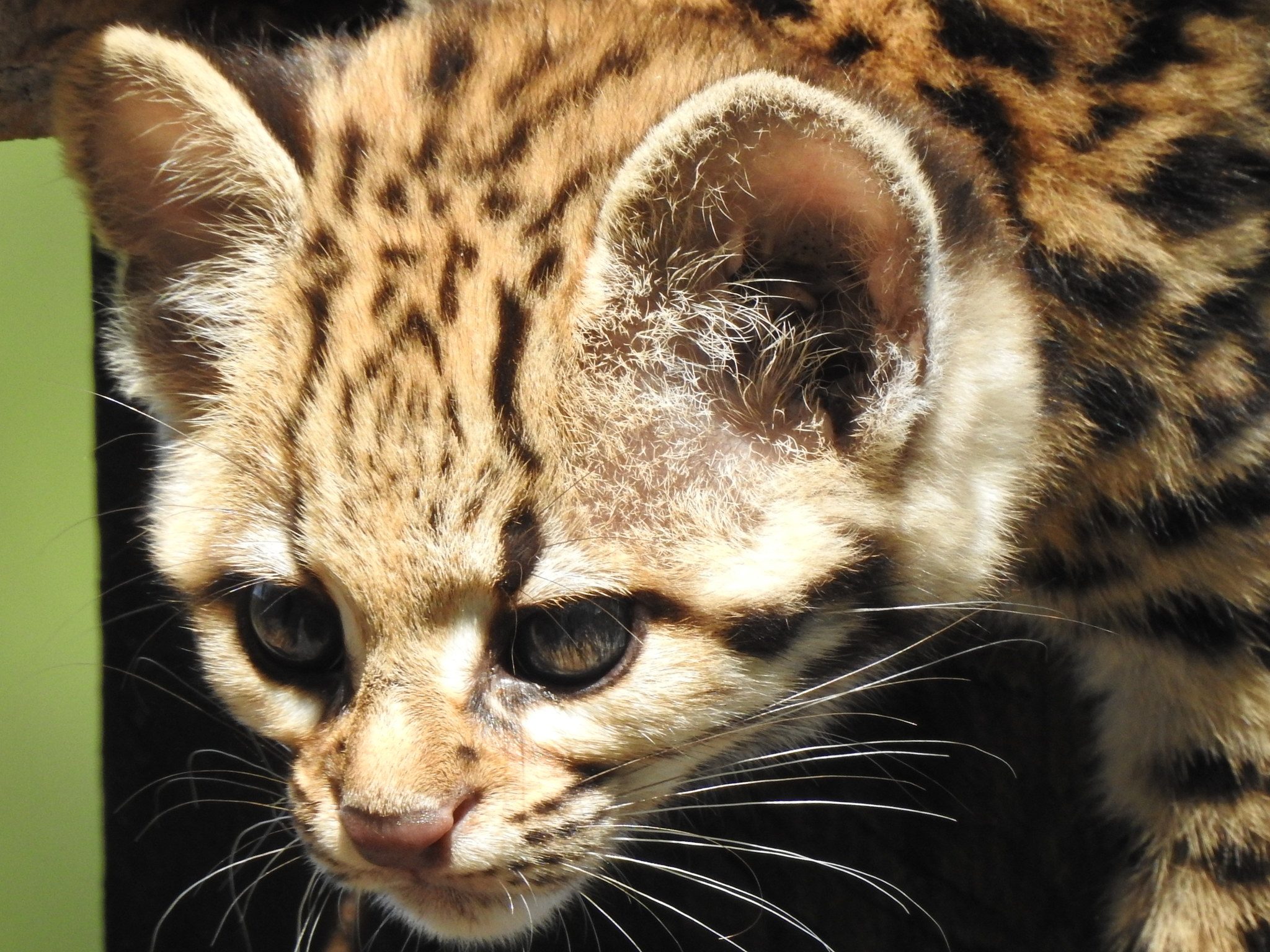 Wild image · K. Musálem
Ocelot lineage
Leopardus guttulus
A small spotted cat tied closely to the Atlantic Forest and neighboring landscapes.
Explore full profile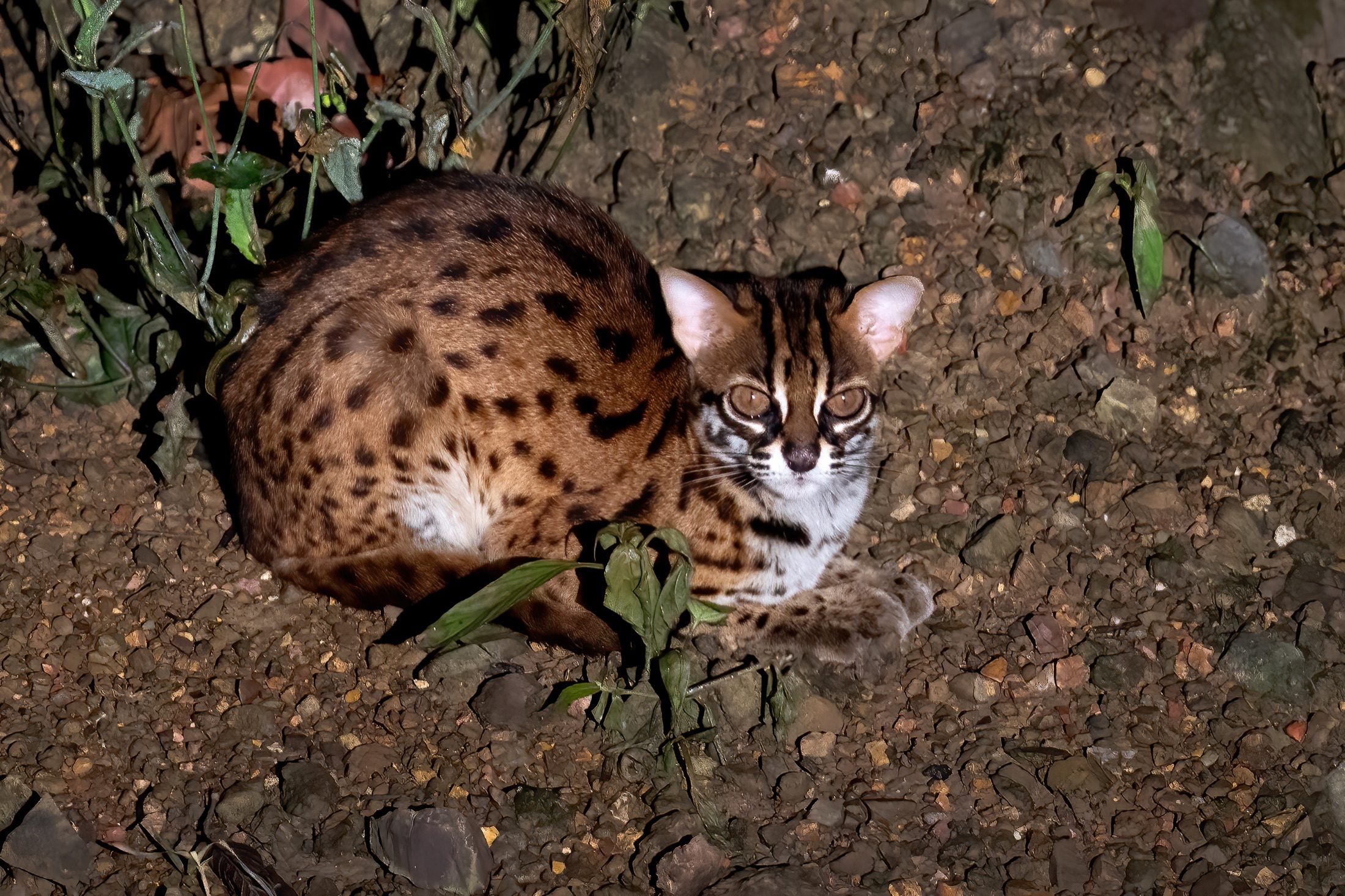 Wild image · JJ Harrison
Leopard cat lineage
Prionailurus javanensis
The island counterpart of the mainland leopard cat, now recognized as a distinct species.
Explore full profile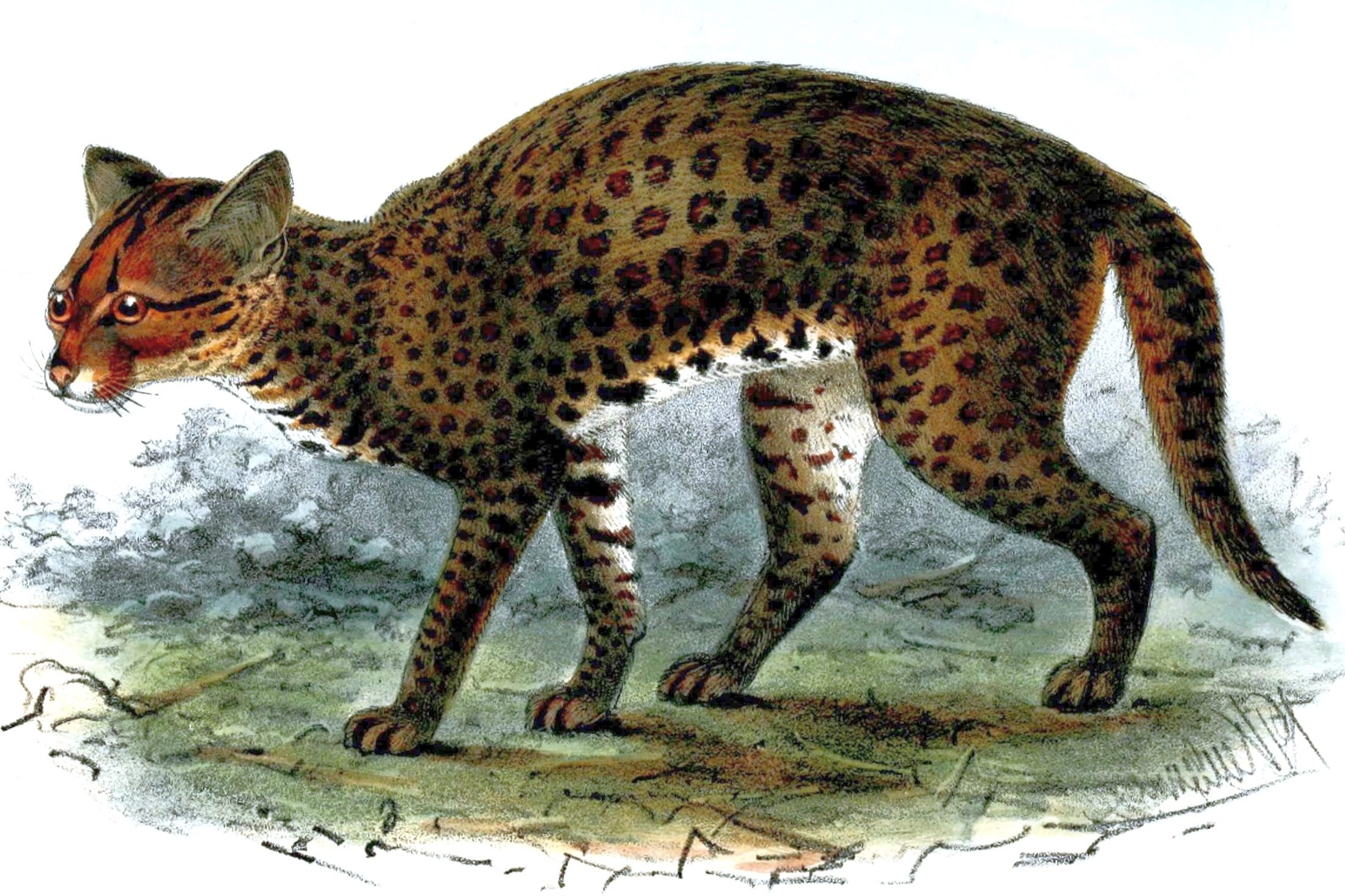 Archive illustration · John Gerrard Keulemans
Caracal lineage
Caracal aurata
A secretive forest cat whose coat can range from golden-red to grey and nearly black.
Explore full profile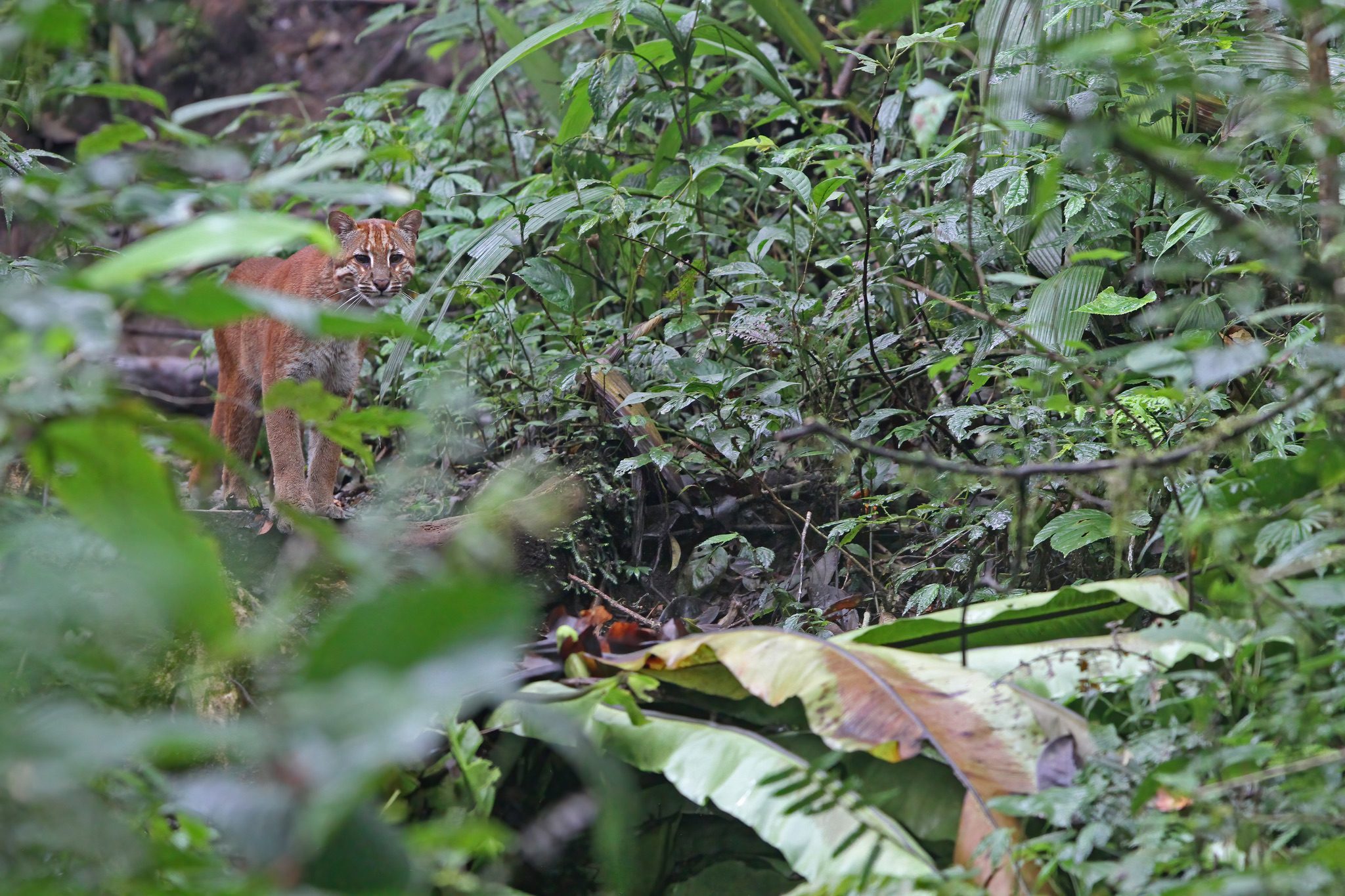 Wild image · James Eaton
Bay cat lineage
Catopuma temminckii
A muscular forest cat with coats ranging from golden to grey, spotted and melanistic.
Explore full profile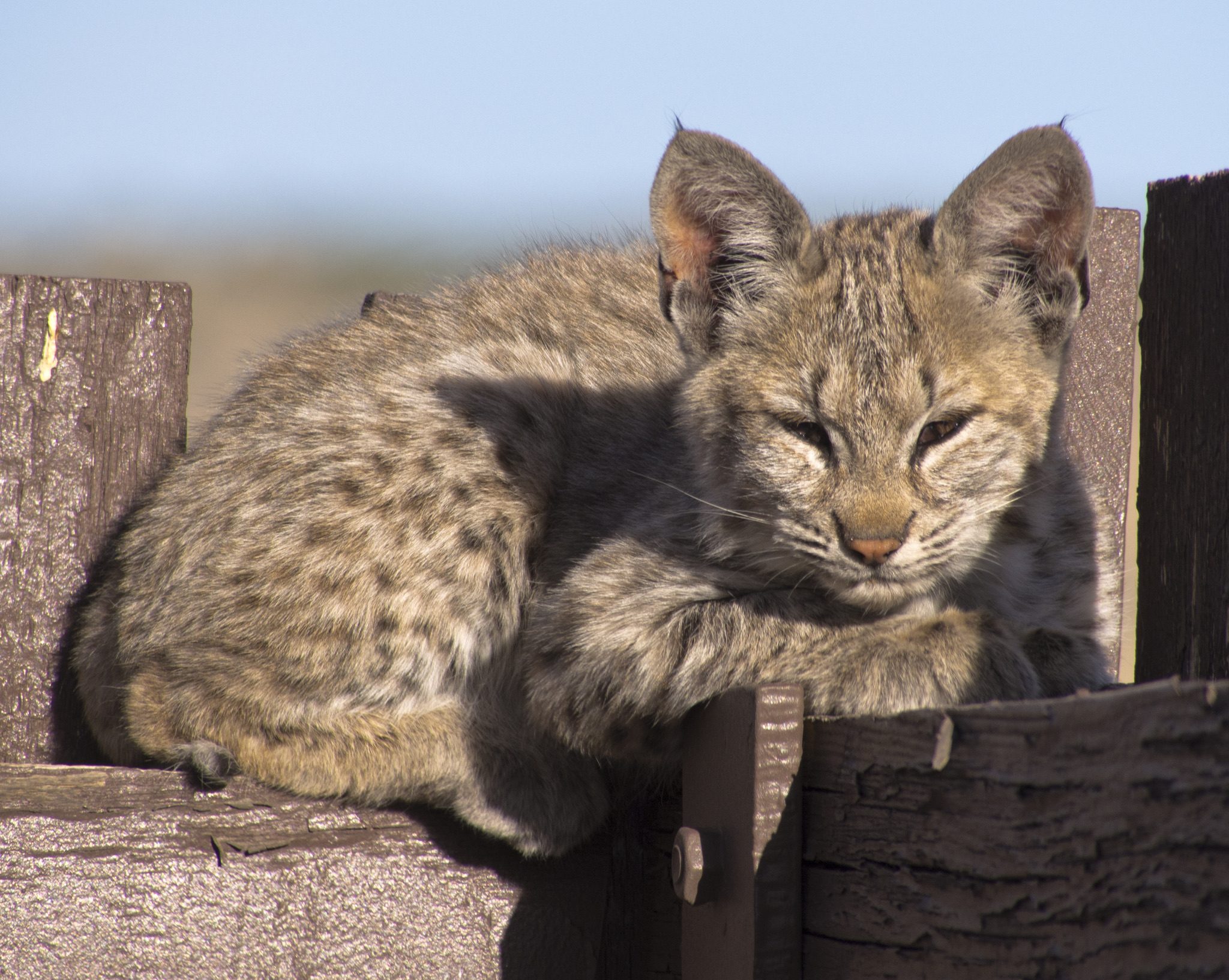 Wild image · Robbie Hannawacker
Lynx lineage
Lynx rufus
A highly adaptable lynx able to live from desert margins to snowy forests and suburban edges.
Explore full profile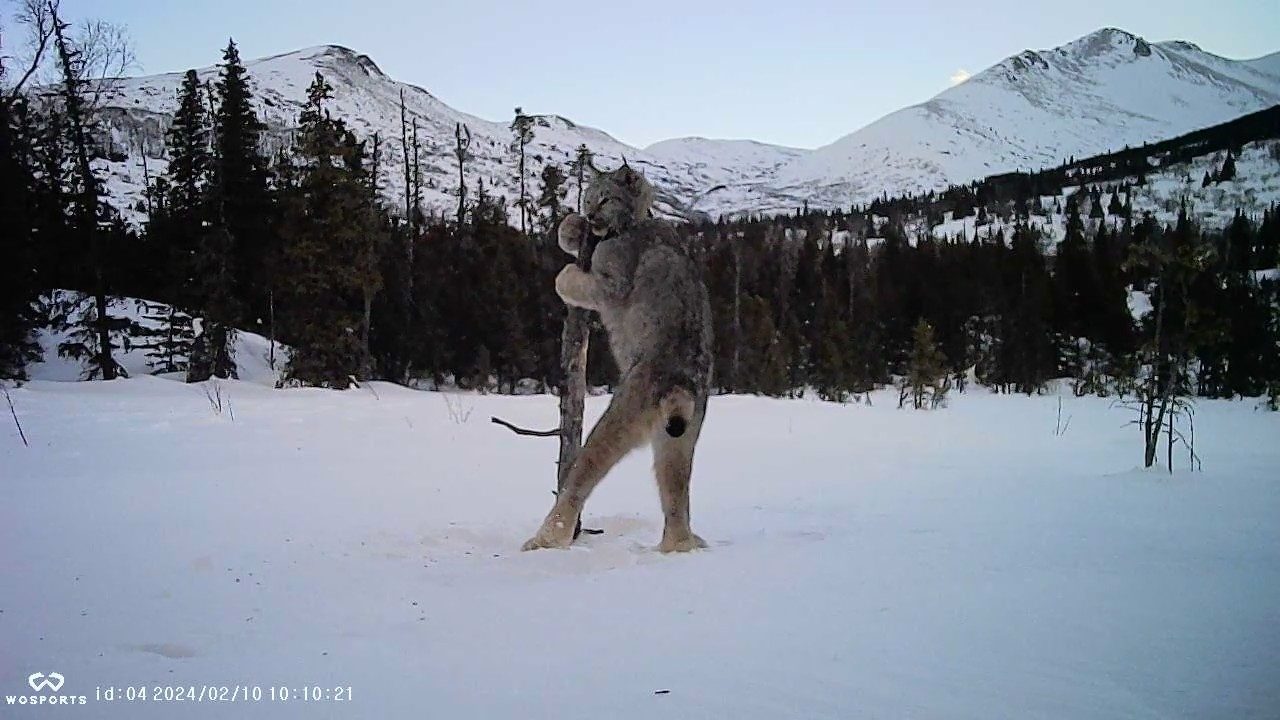 Wild image · Matt Muir
Lynx lineage
Lynx canadensis
Huge, furred feet carry this northern specialist across deep snow in pursuit of snowshoe hares.
Explore full profile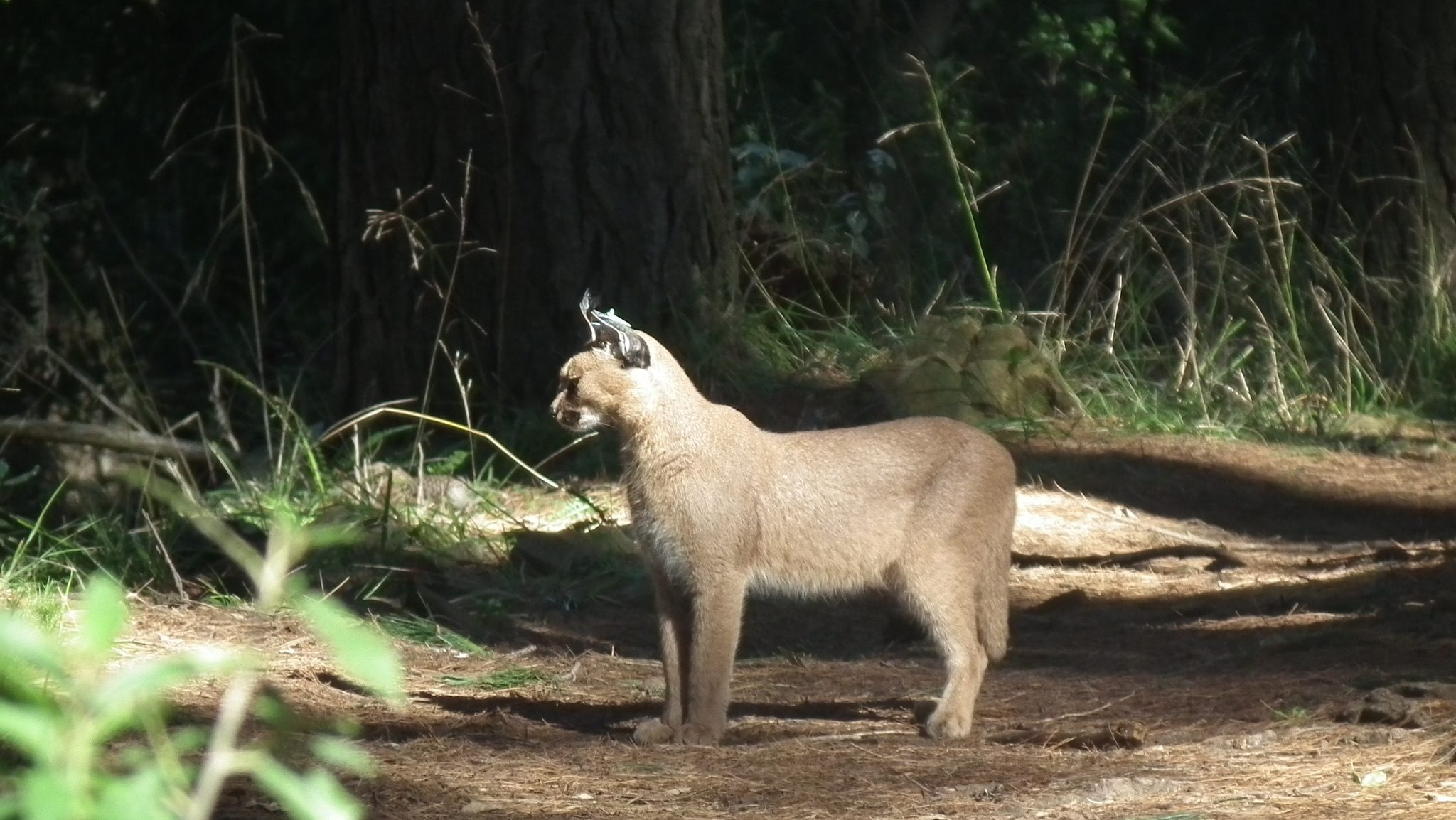 Wild image · Shaun Swanepoel
Caracal lineage
Caracal caracal
Black ear tufts and explosive vertical leaps make this open-country hunter unmistakable.
Explore full profile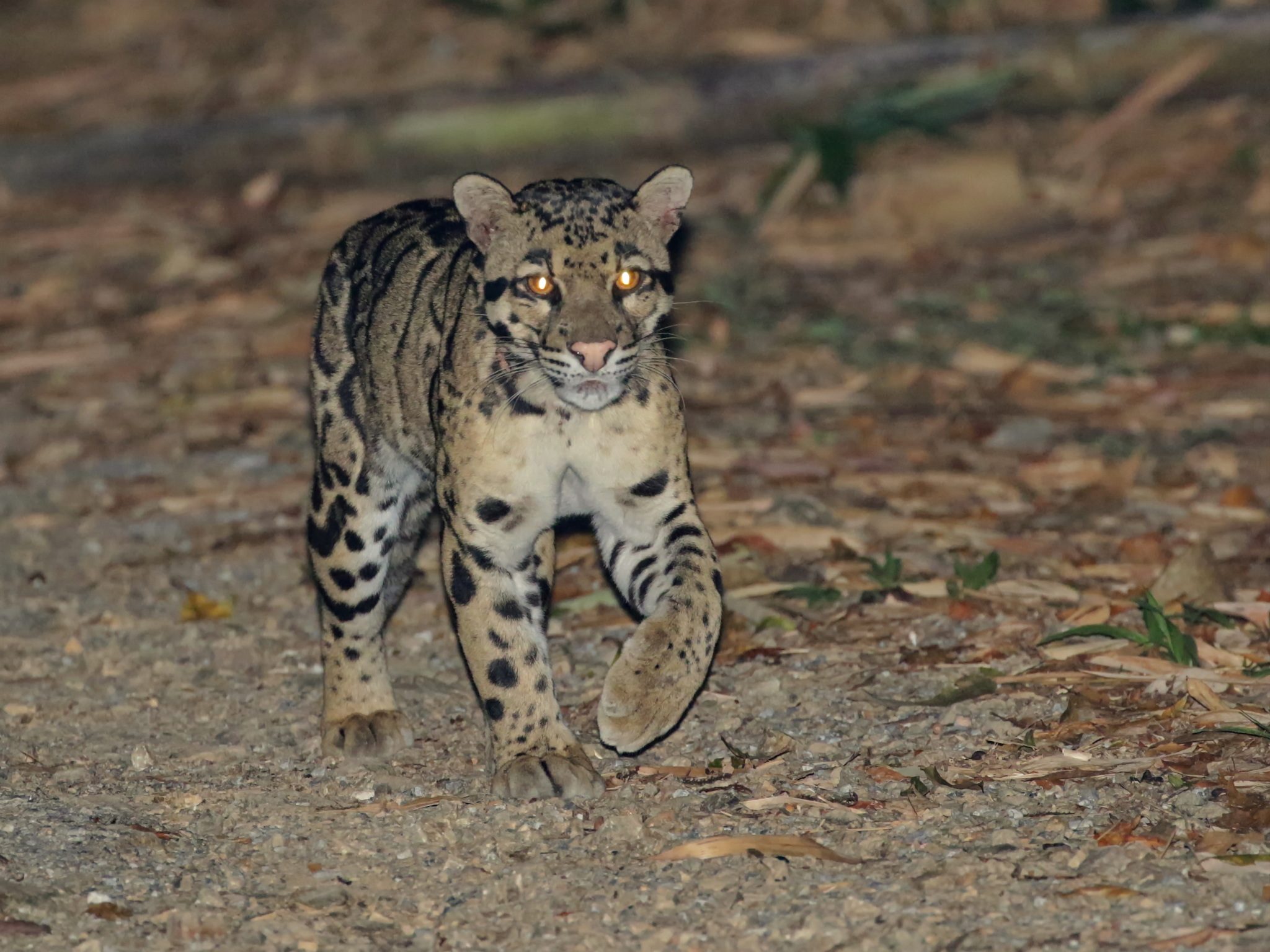 Wild image · Ian Dugdale
Panthera lineage
Neofelis nebulosa
A powerful climber of mainland Asian forests, patterned with large cloud-like markings.
Explore full profile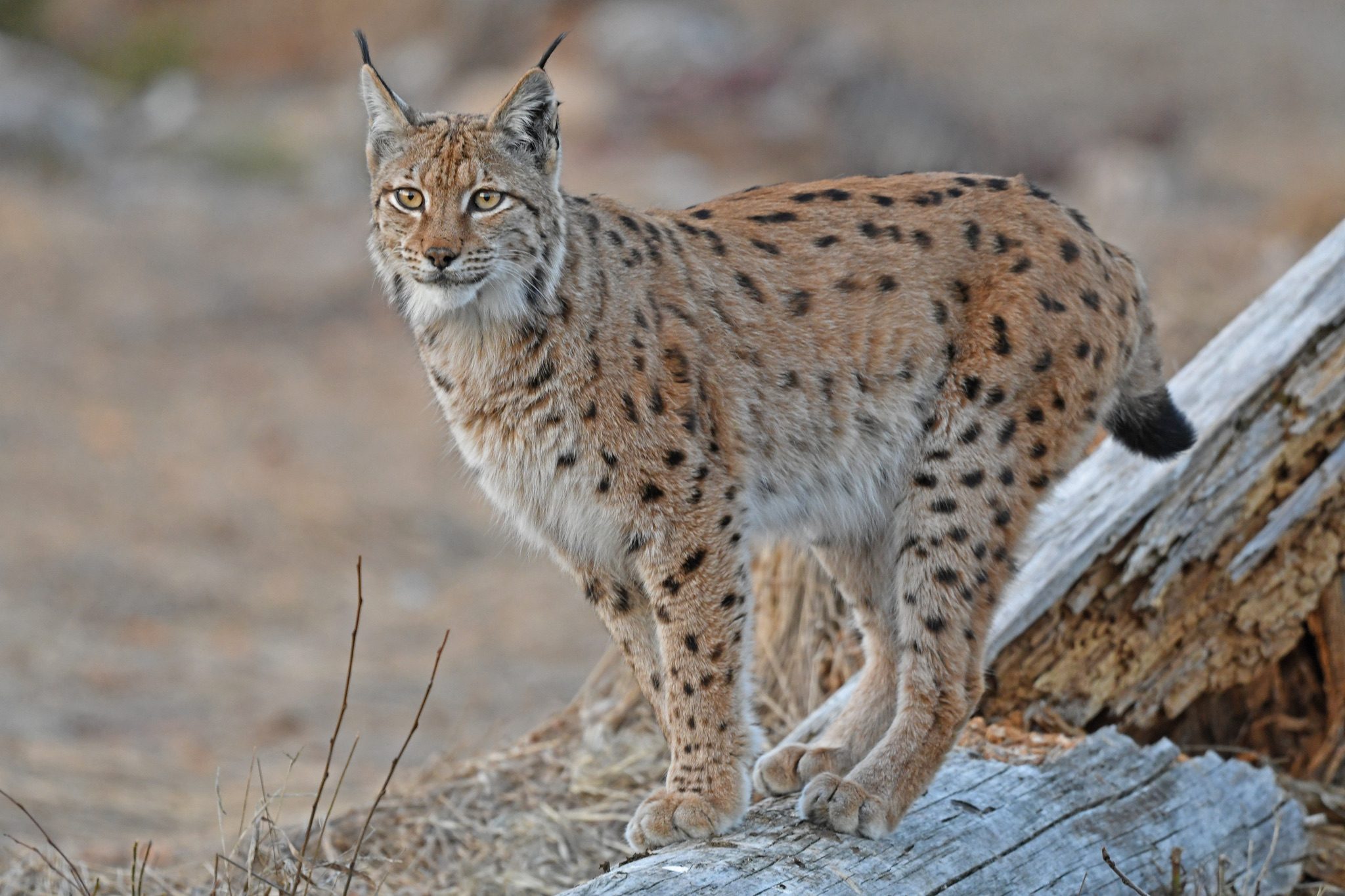 Wild image · Julia Moning
Lynx lineage
Lynx lynx
The largest lynx, ranging across a vast sweep of European and Asian forests.
Explore full profile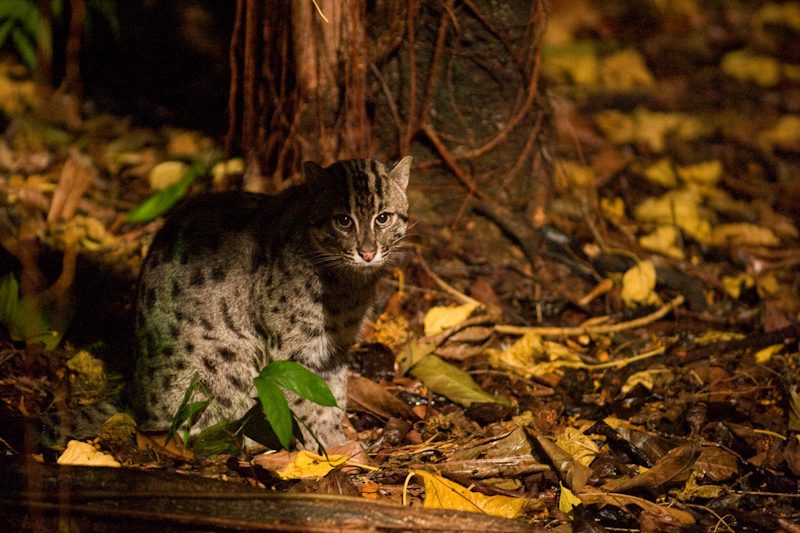 Captive image · Kalyan Varma
Leopard cat lineage
Prionailurus viverrinus
A strong swimmer whose survival is inseparable from healthy marshes, mangroves and river edges.
Explore full profile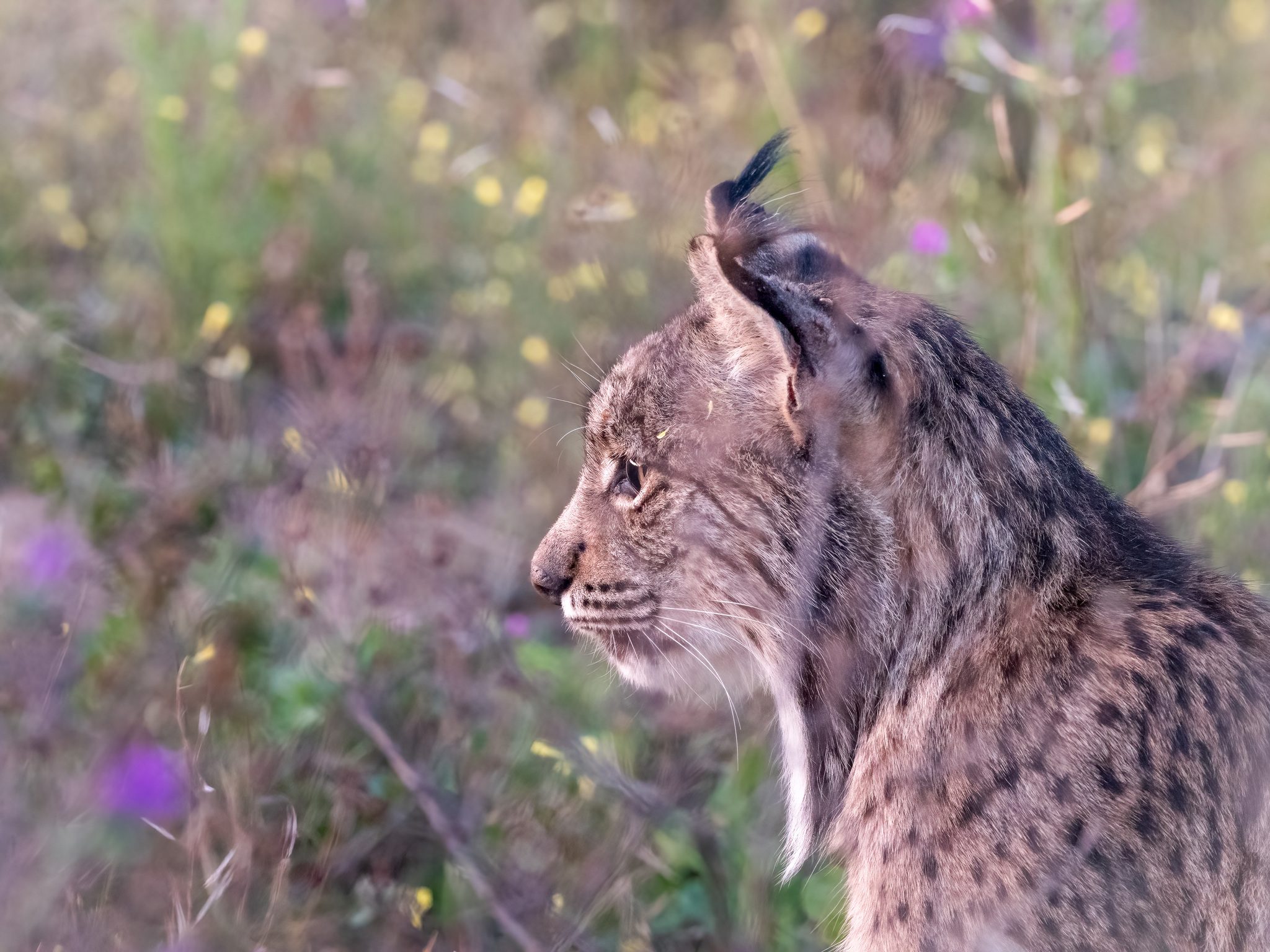 Wild image · Nils
Lynx lineage
Lynx pardinus
A rabbit specialist whose recovery is one of conservation’s most remarkable recent stories.
Explore full profile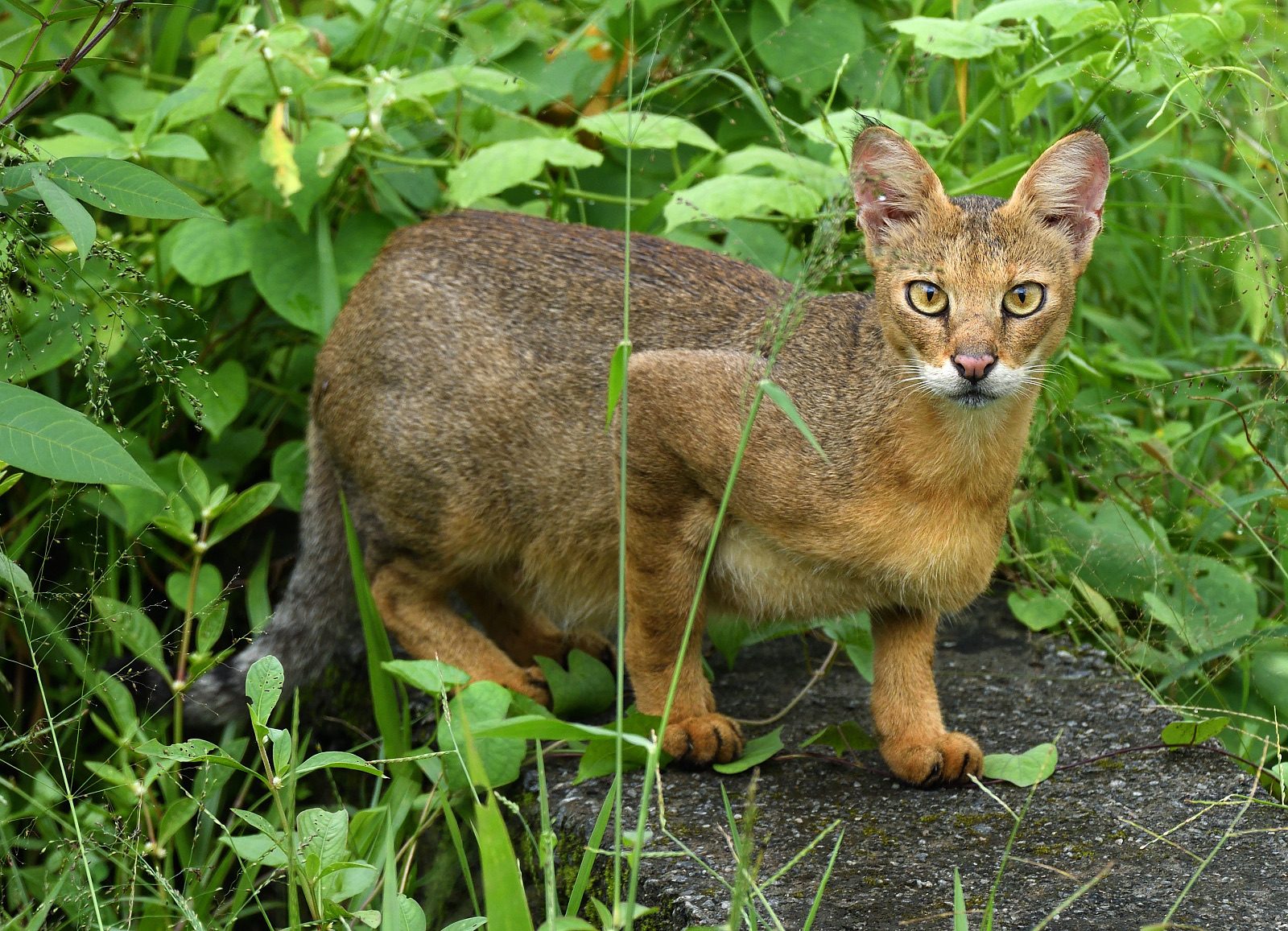 Wild image · sunnyjosef
Domestic cat lineage
Felis chaus
Despite its name, this long-legged cat is strongly associated with reeds, wetlands and dense cover.
Explore full profile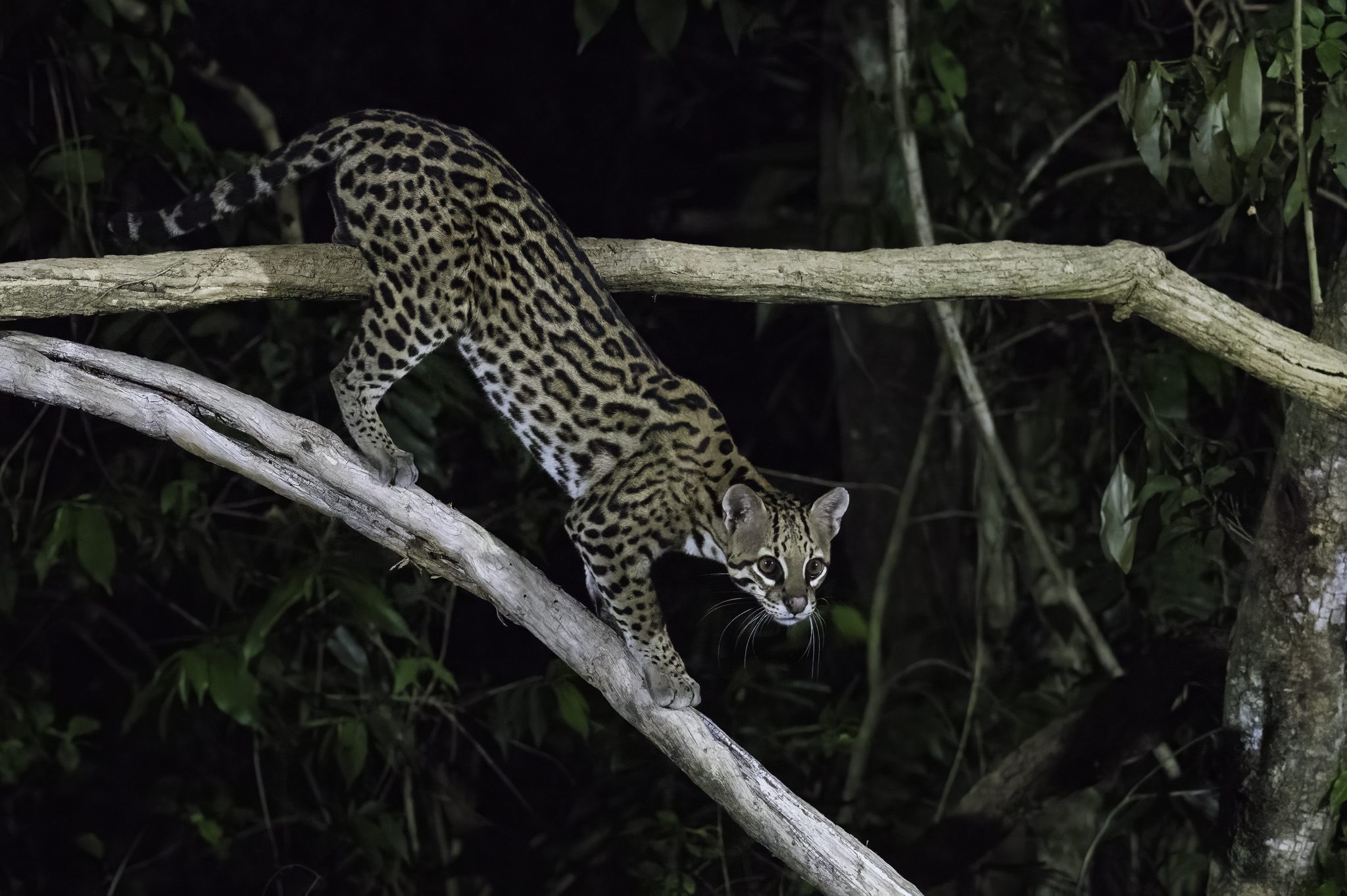 Wild image · Emily Turteltaub Nelson
Ocelot lineage
Leopardus pardalis
A patterned forest hunter whose wide range conceals intense local pressures.
Explore full profile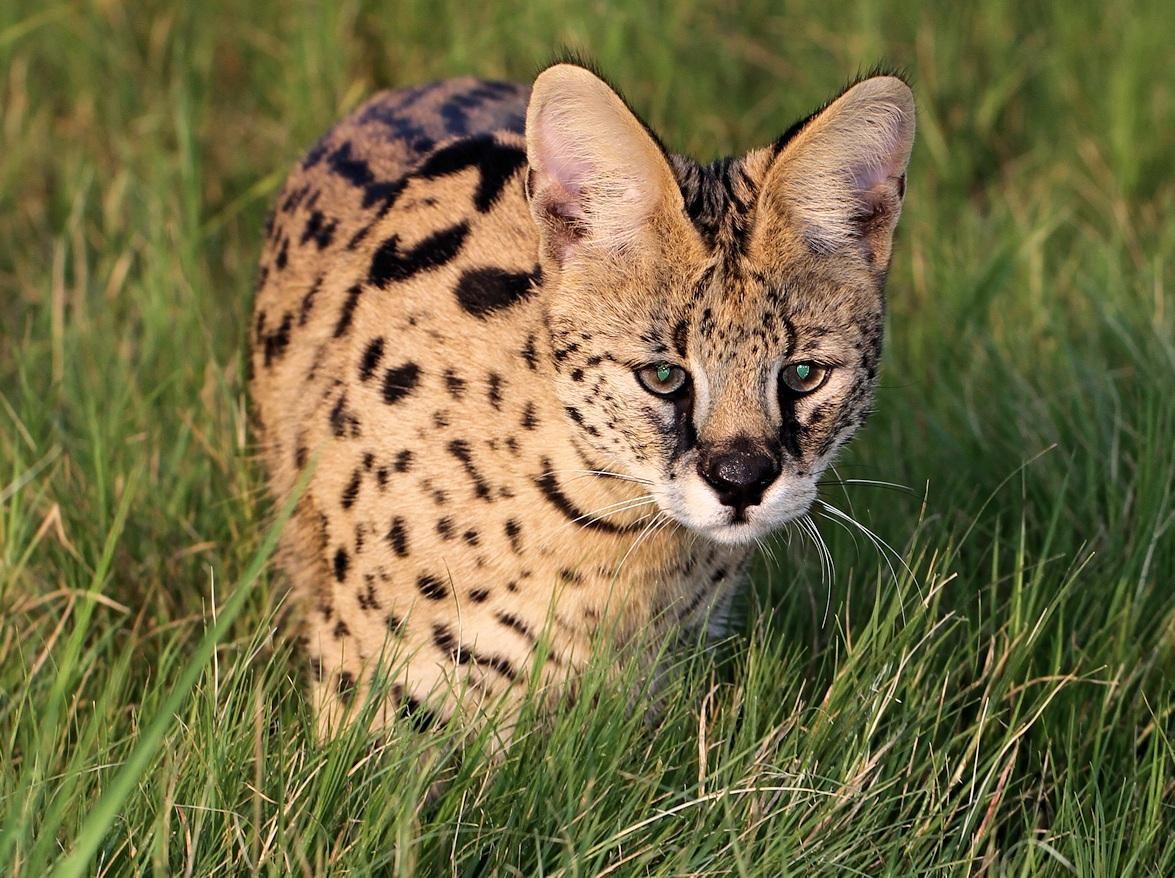 Wild image · Wynand Uys
Caracal lineage
Leptailurus serval
Long legs and enormous ears turn tall grass into a hunting advantage.
Explore full profile Wild image · Justin Philbois
Panthera lineage
Neofelis diardi
An island forest cat with exceptionally long canine teeth and a tail built for balance.
Explore full profile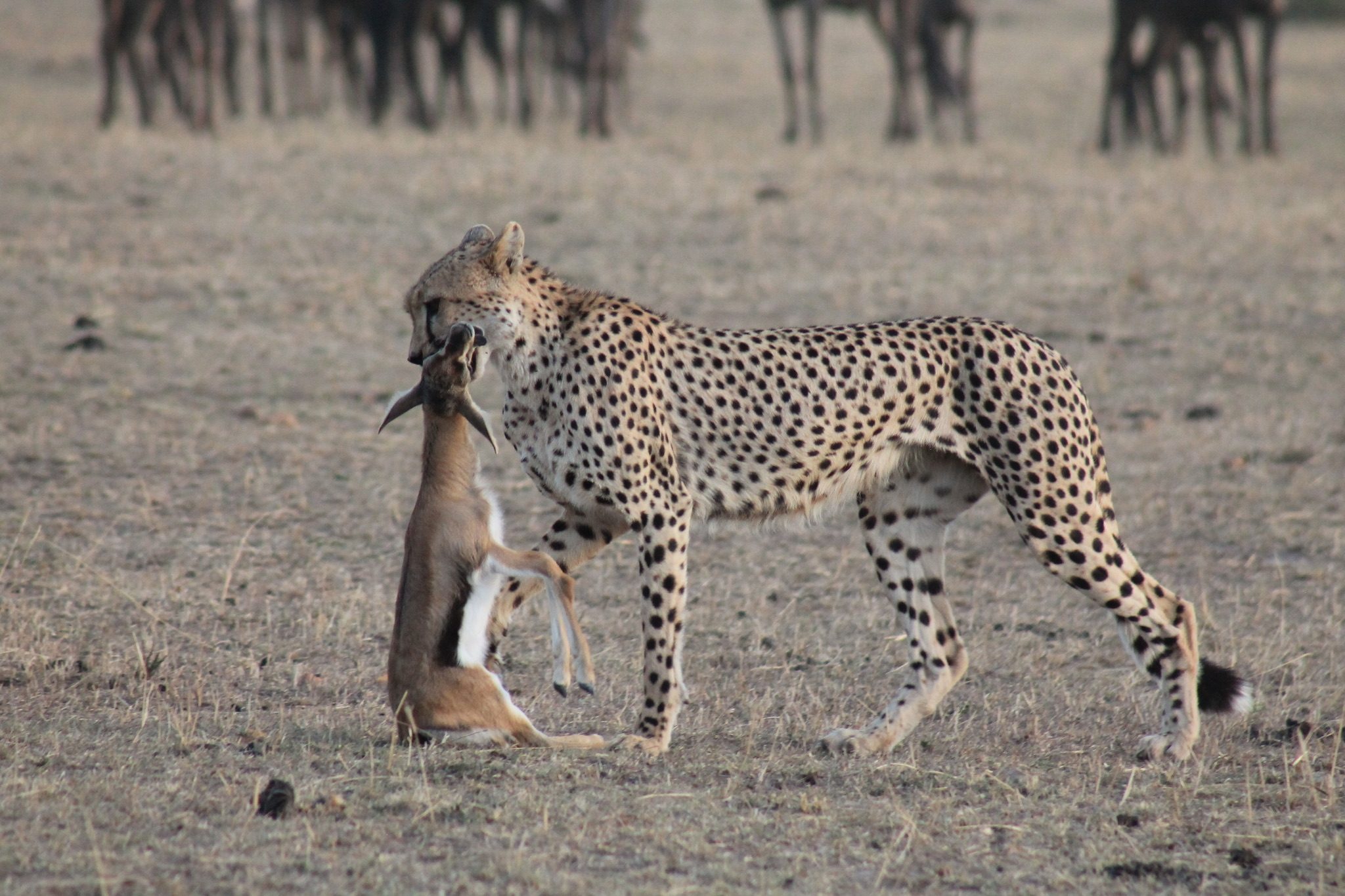 Wild image · Paula Zermoglio
Puma lineage
Acinonyx jubatus
Built for acceleration, the cheetah trades climbing power for extraordinary speed.
Explore full profile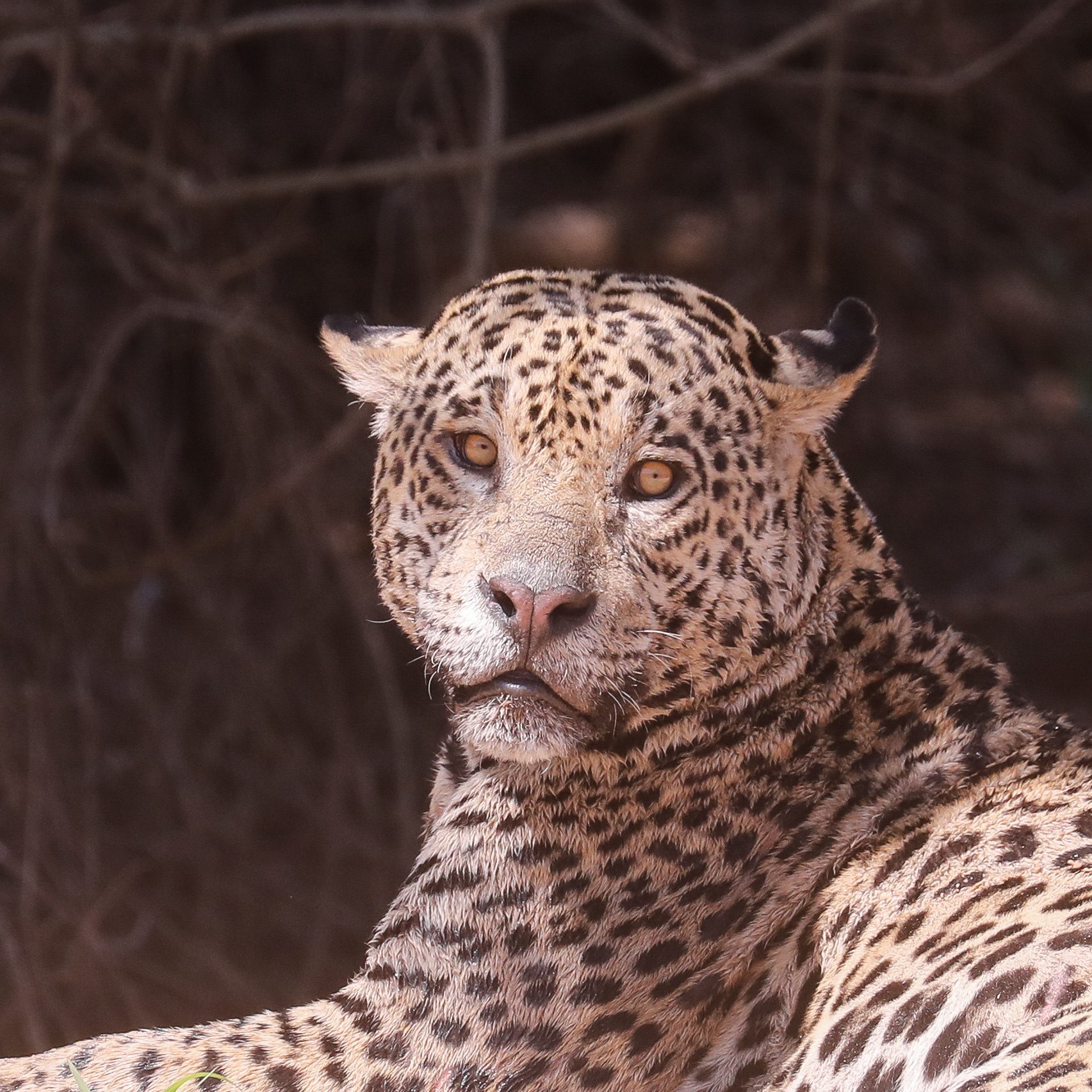 Wild image · Thomas Galewski
Panthera lineage
Panthera onca
The largest cat in the Americas, with a crushing bite and a close relationship with water.
Explore full profile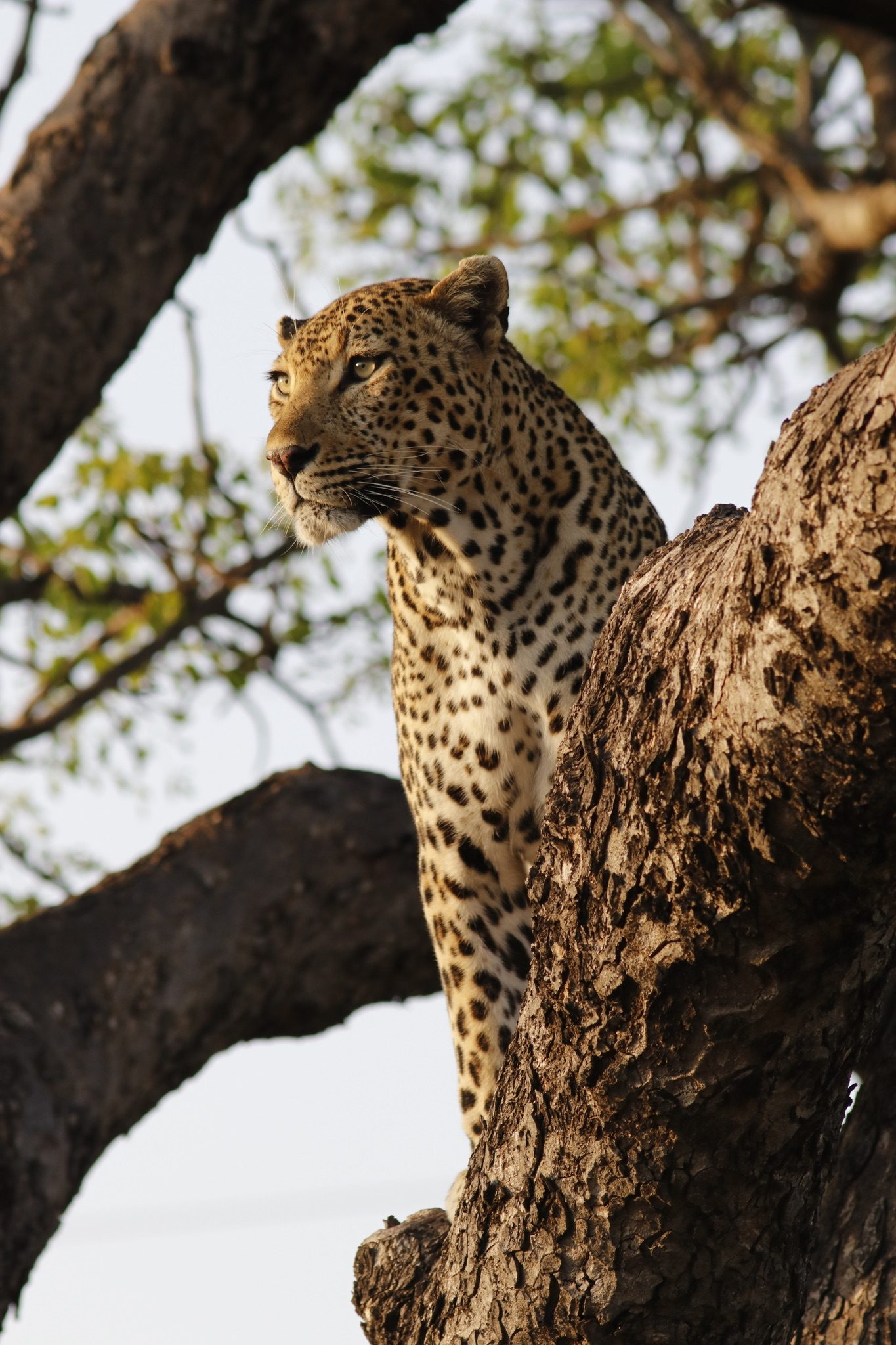 Wild image · Karen Eichholz
Panthera lineage
Panthera pardus
One of the most adaptable big cats, surviving across an extraordinary range of landscapes.
Explore full profile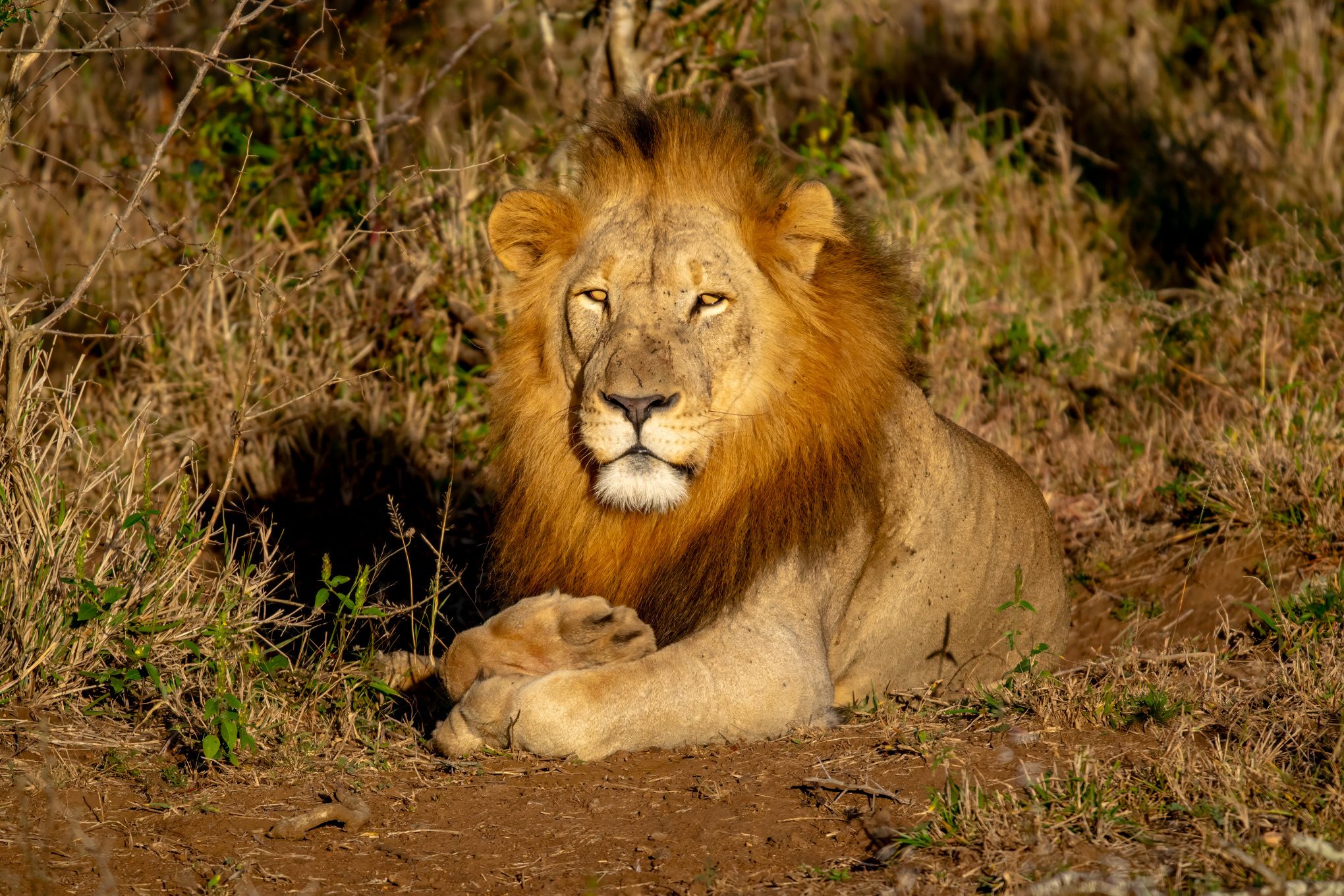 Wild image · David Knox
Panthera lineage
Panthera leo
The only truly social cat, living in prides whose structure changes with place and prey.
Explore full profile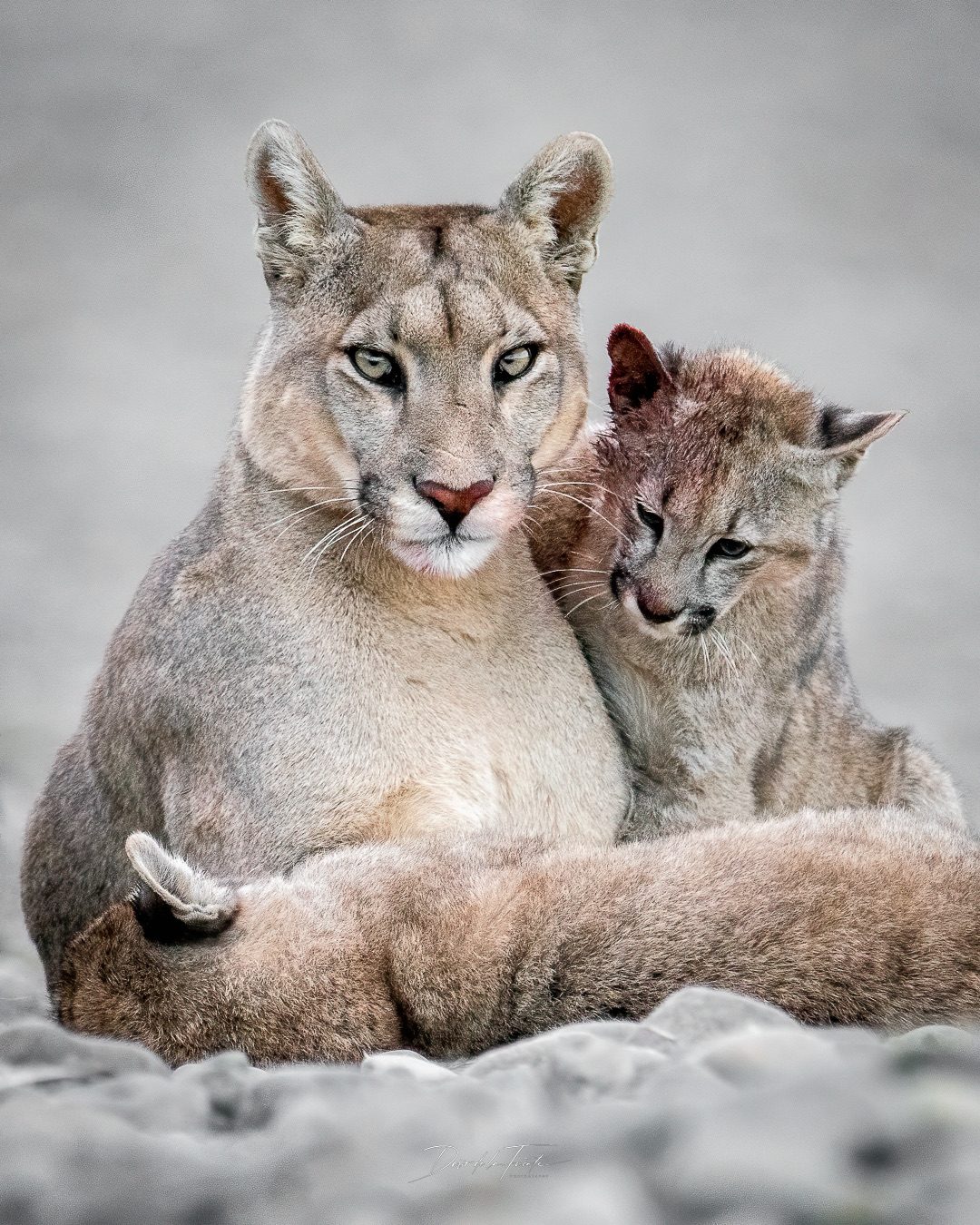 Wild image · Darío De la Fuente
Puma lineage
Puma concolor
No wild land mammal in the Americas spans a greater north-to-south range.
Explore full profile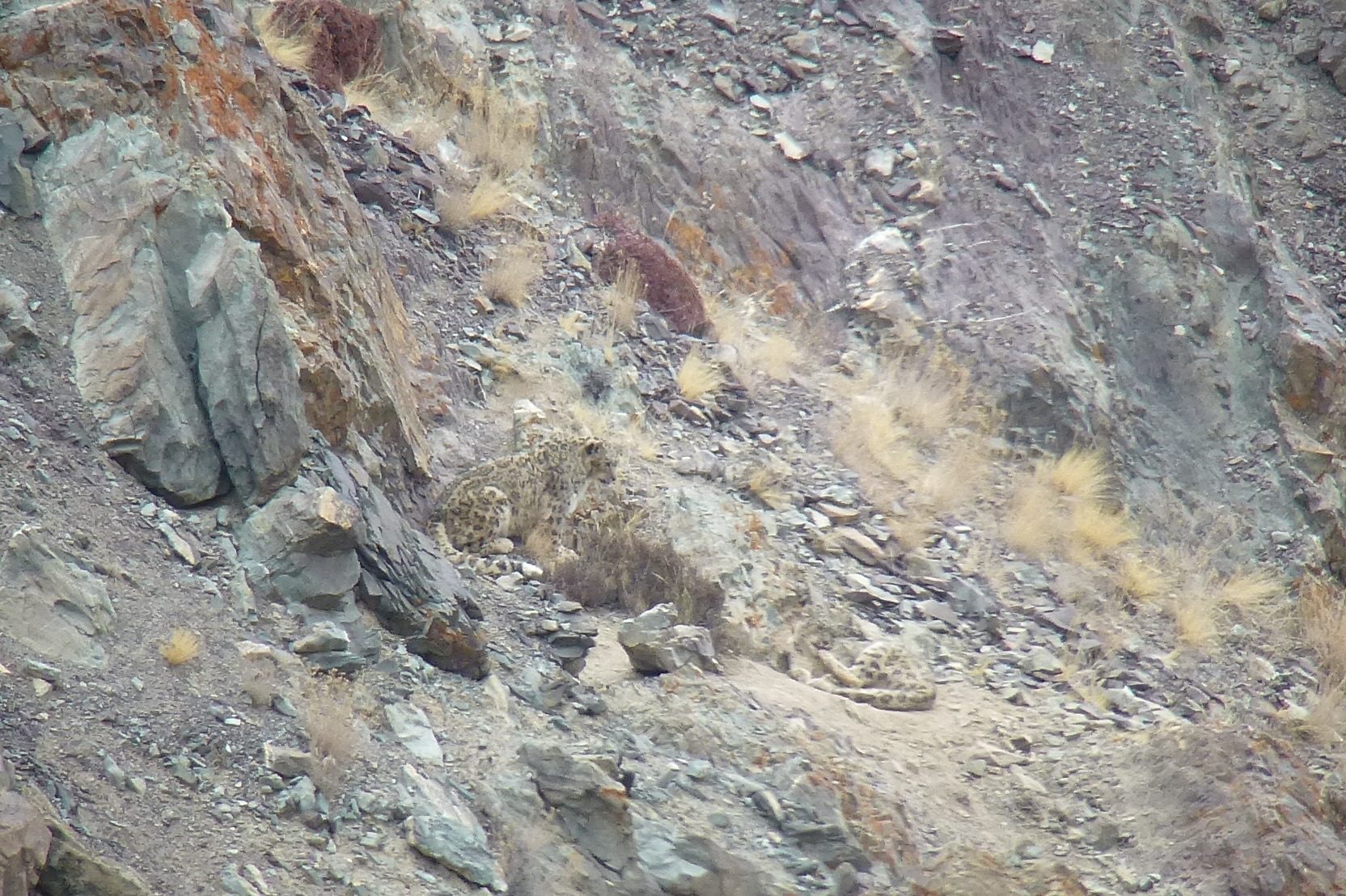 Wild image · Sheelagh Halsey
Panthera lineage
Panthera uncia
A high-mountain specialist whose long tail and broad paws suit steep, cold terrain.
Explore full profile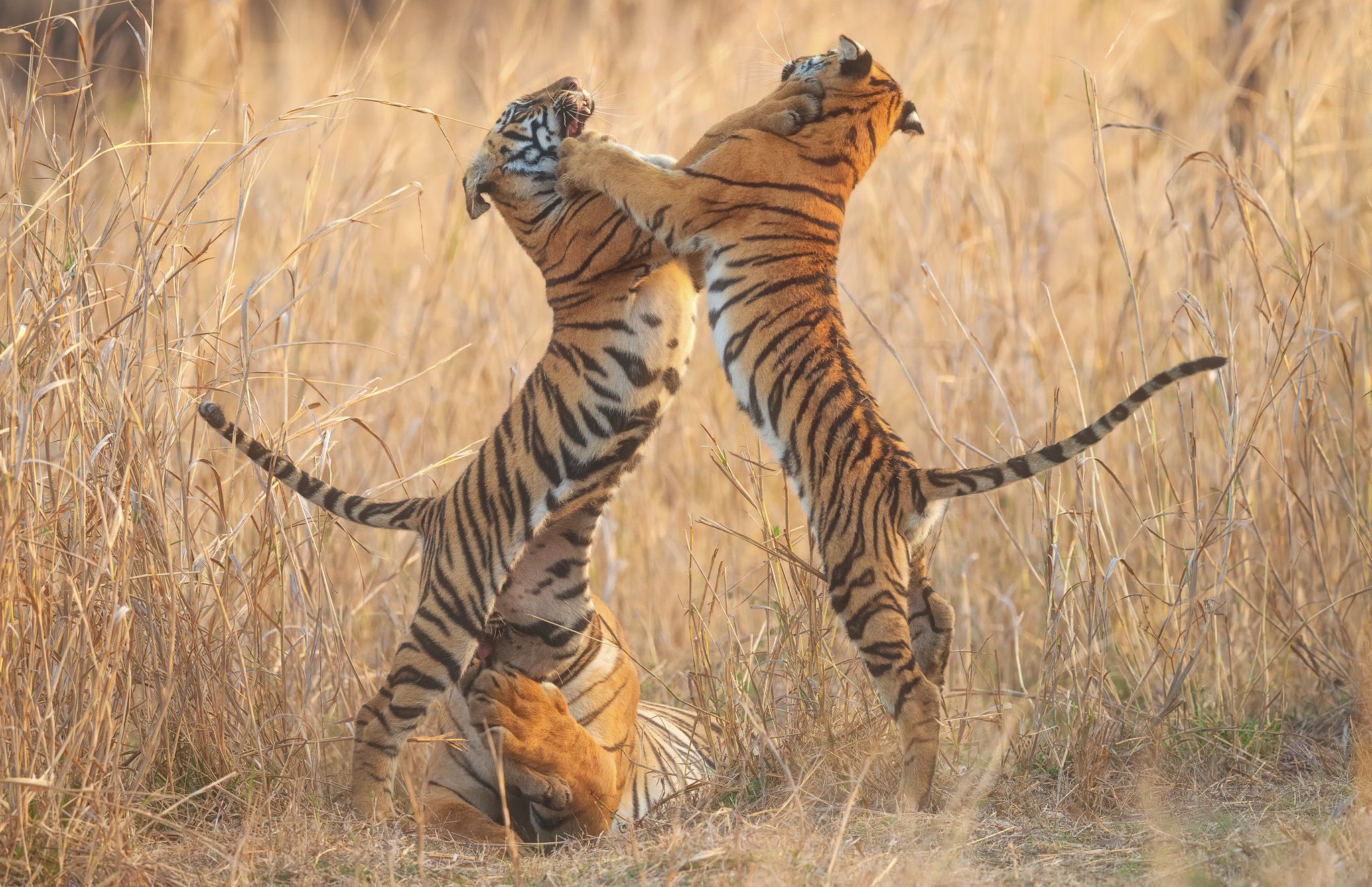 Wild image · Morten Ross
Panthera lineage
Panthera tigris
The largest living cat, occupying habitats from tropical forest to snowy taiga.
Explore full profileHow this list works
Zoo-EV’s enduring public framework is “40 Wild Cats.” This working Explorer follows the IUCN Cat Specialist Group’s 40-species treatment—including the Sunda leopard cat—and adds the recently supported clouded tiger cat as a clearly labeled 41st entry. Other authorities recognize additional South American splits.
That is not a problem to hide. It is science doing what science does: testing, revising, and becoming more precise.
Each profile includes its review date, scientific sources, and image provenance. “Not Evaluated” identifies a taxon without a separate current assessment under the treatment shown.