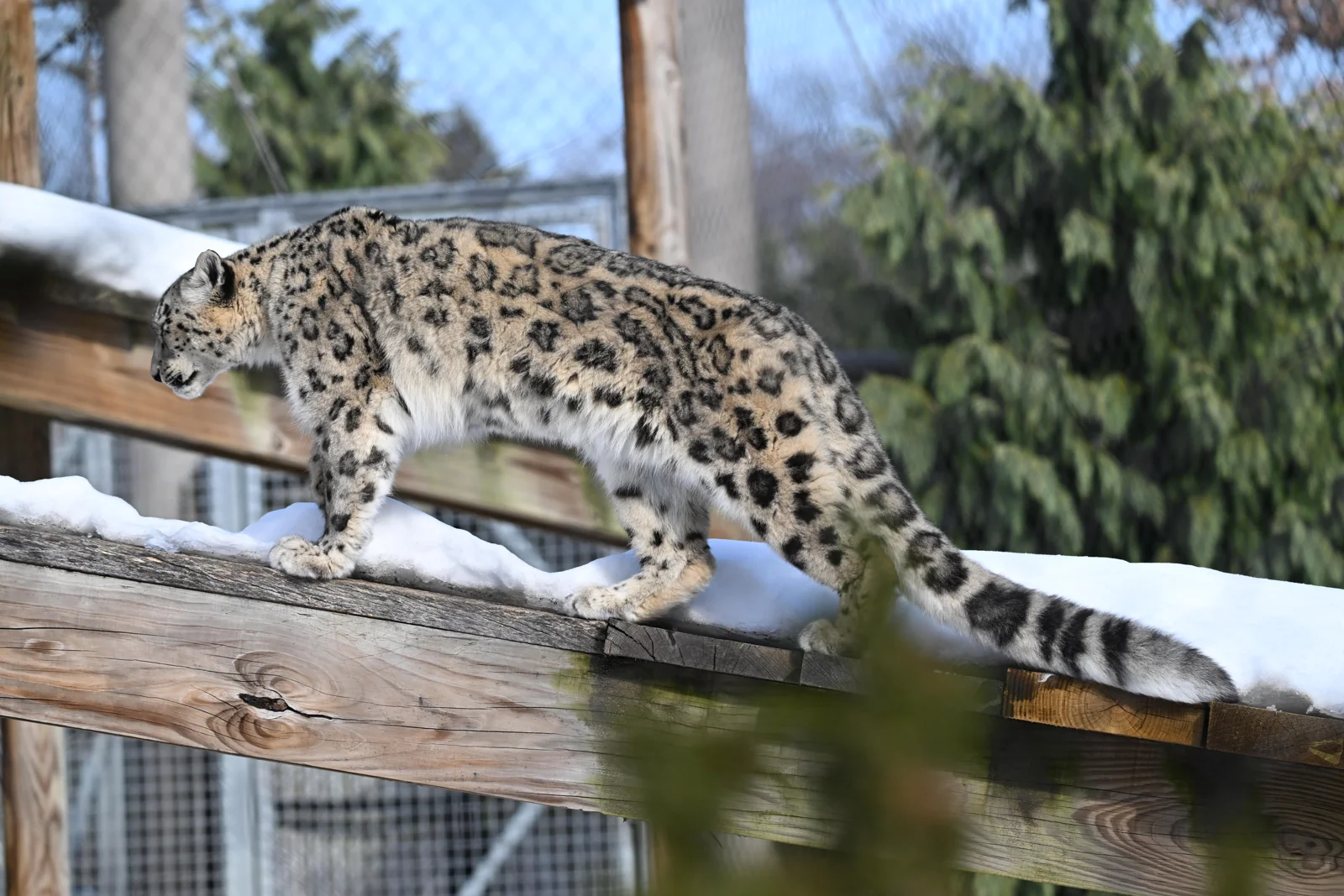
40 wild cats.
One world.
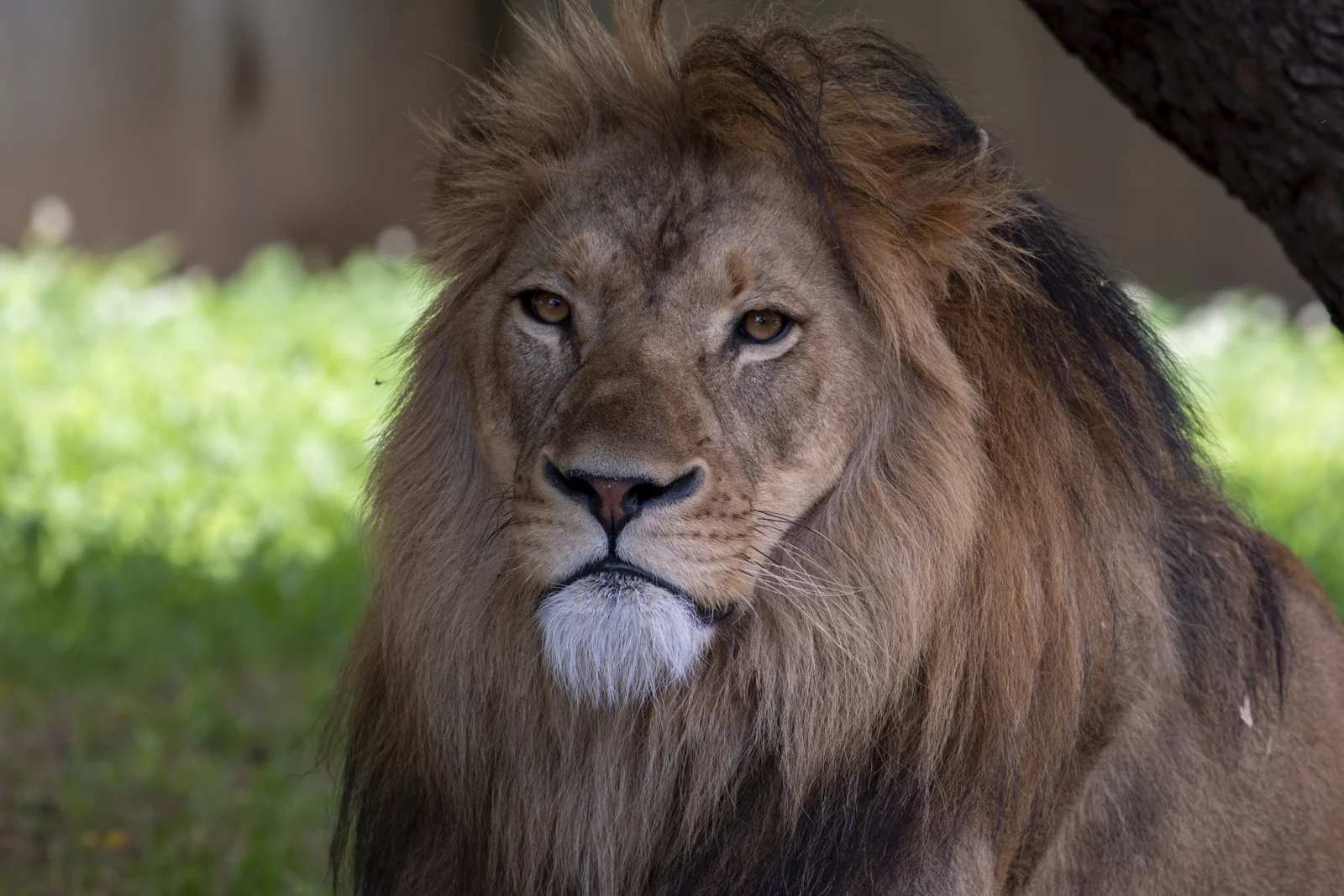
You probably know seven of them.
Meet the other 33.
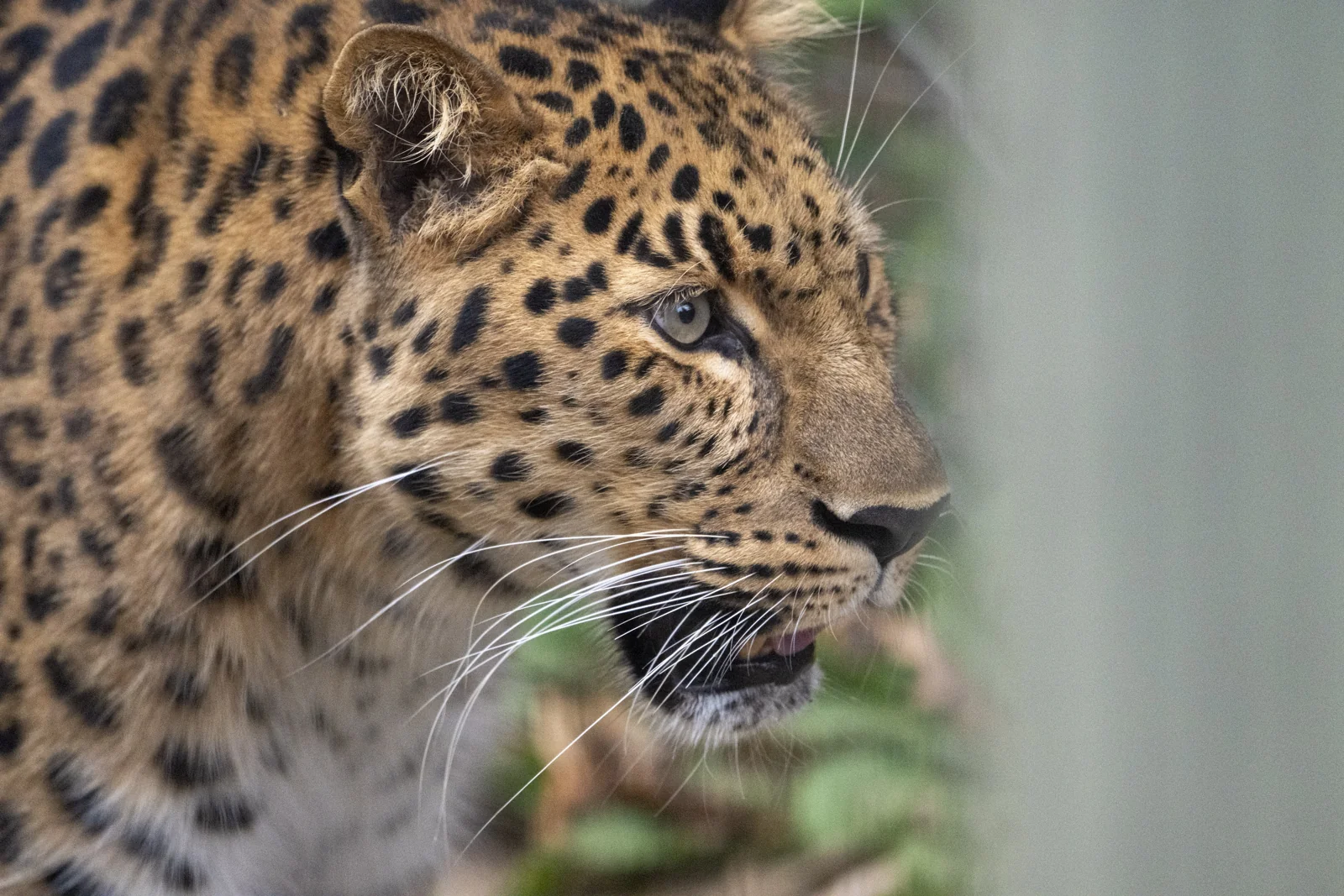
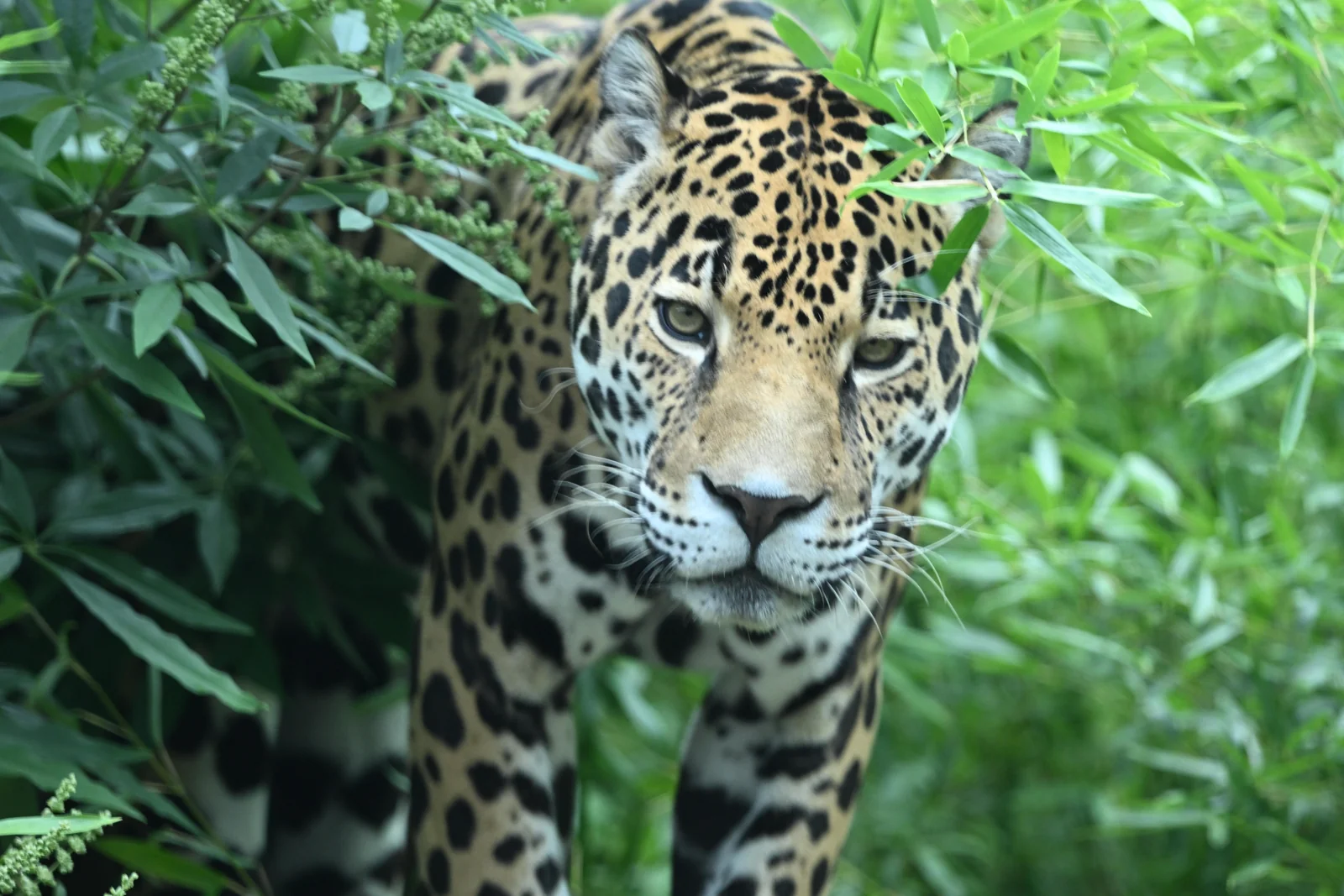
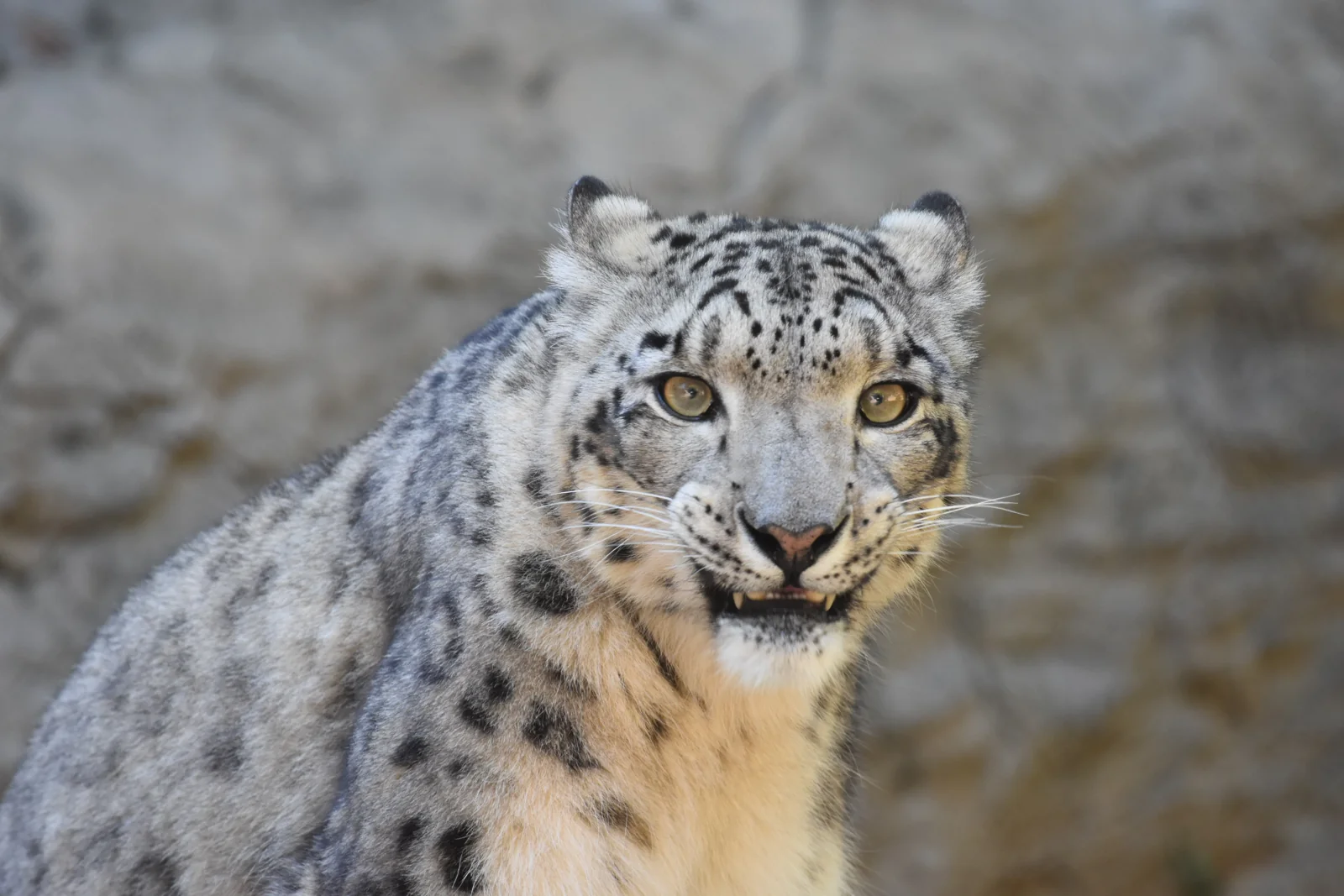
Zoo-EV archive · Captive photographs
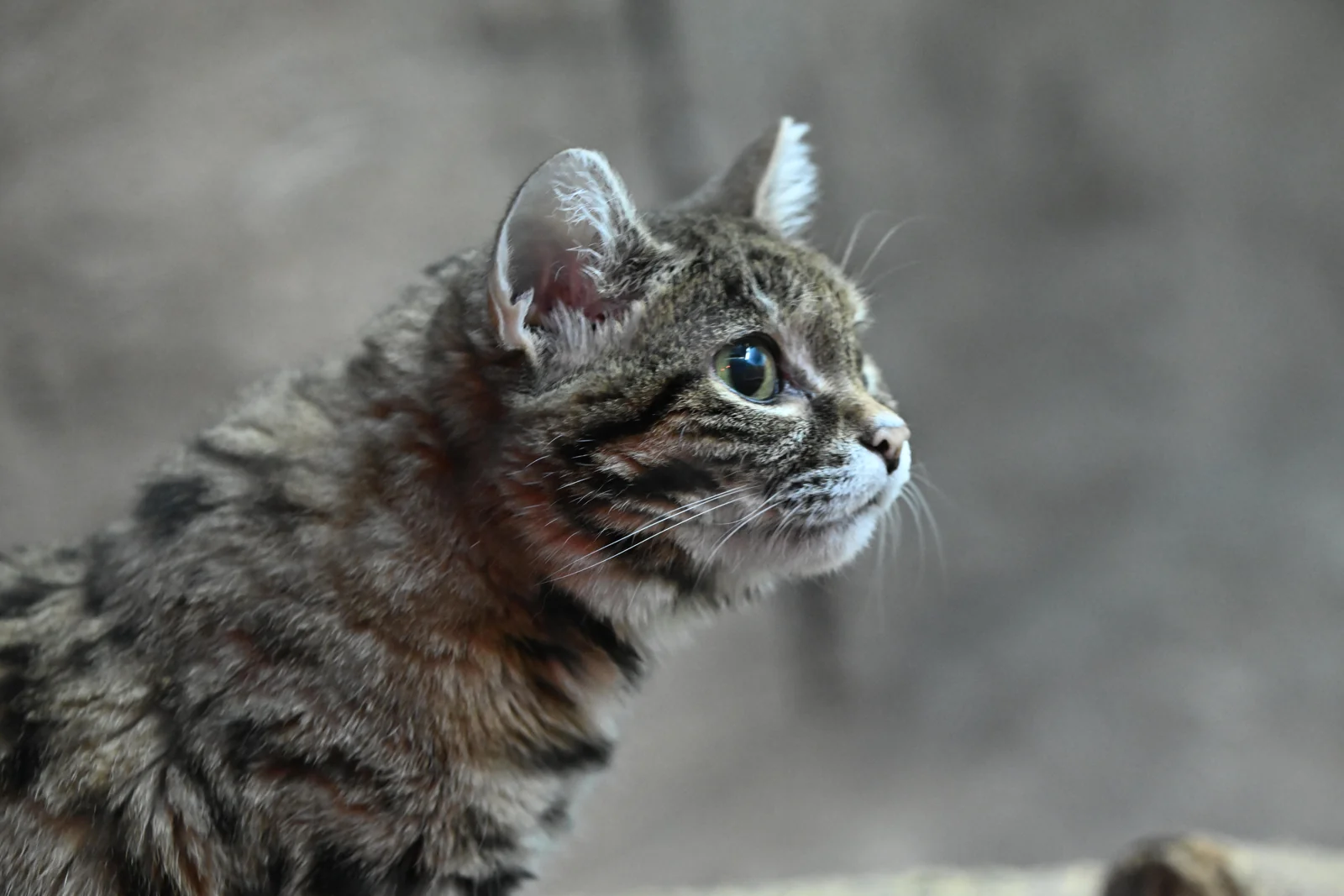
Black-footed Cat · Zoo-EV archive · Captive photograph
Small face.
Whole new world.
The wild-cat family reaches far beyond its famous faces. A little attention opens a much bigger story.
Find a cat you don’t knowMeet more of the family.
Black-footed Cat
Felis nigripes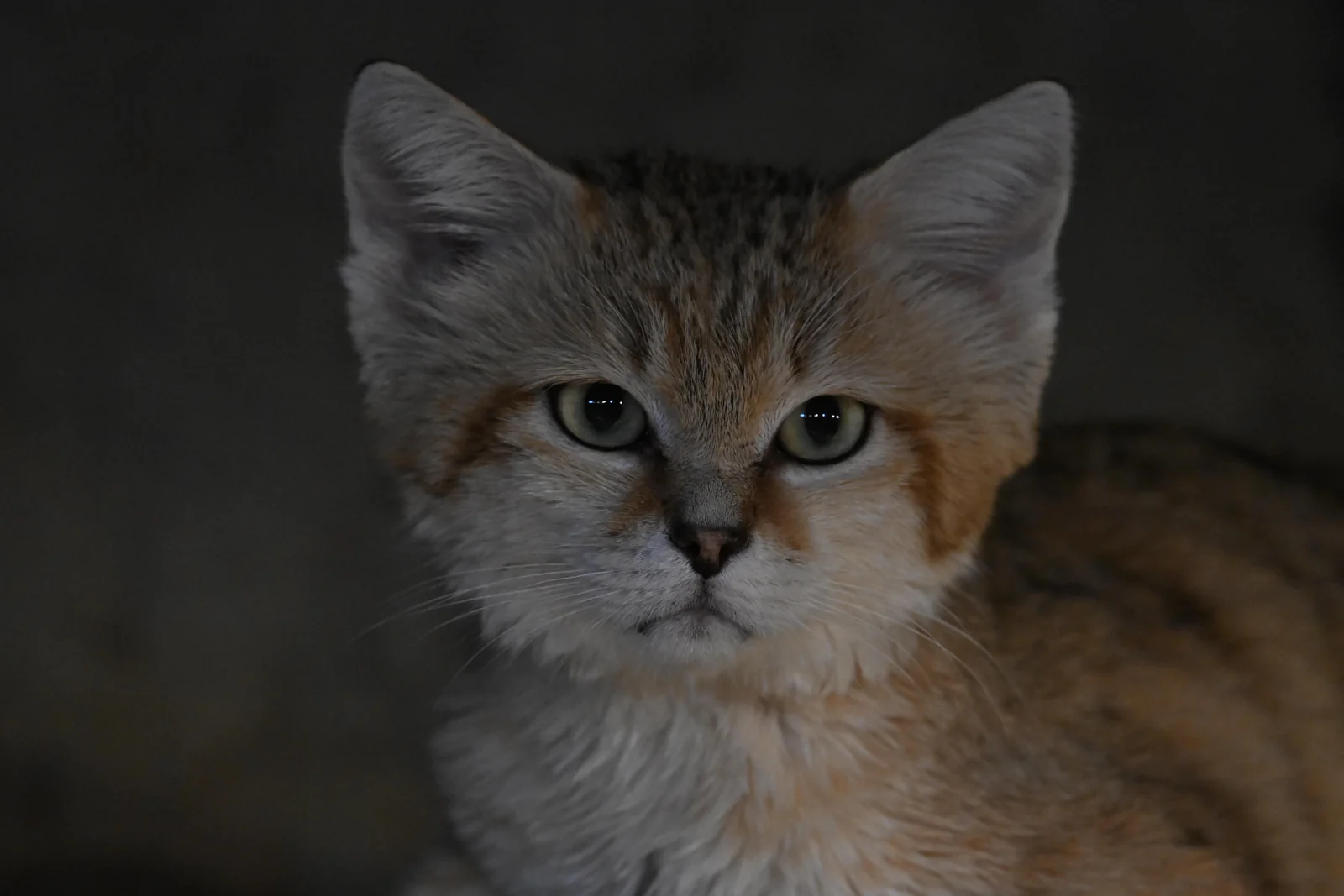
Sand Cat
Felis margarita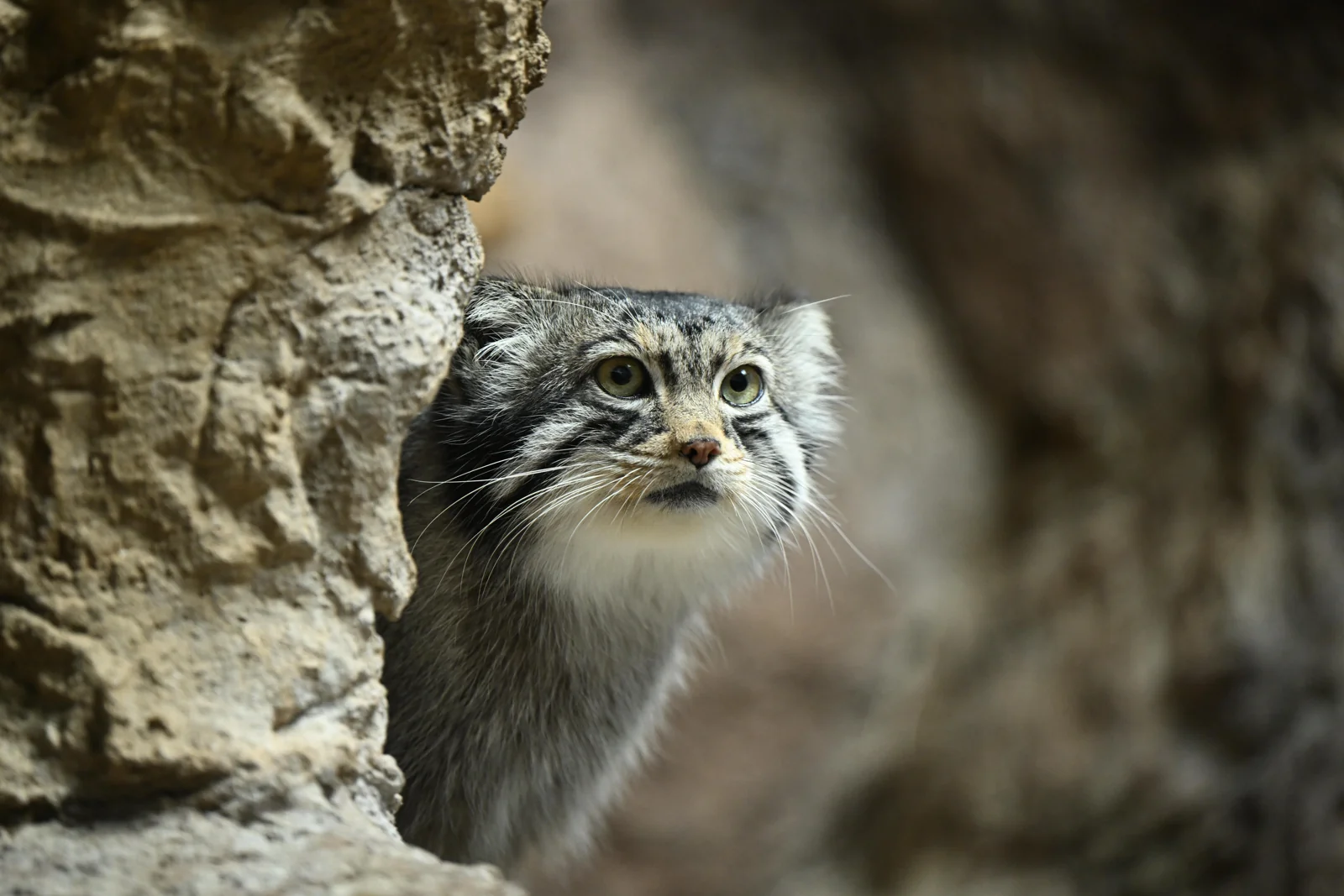
Pallas’s Cat
Otocolobus manul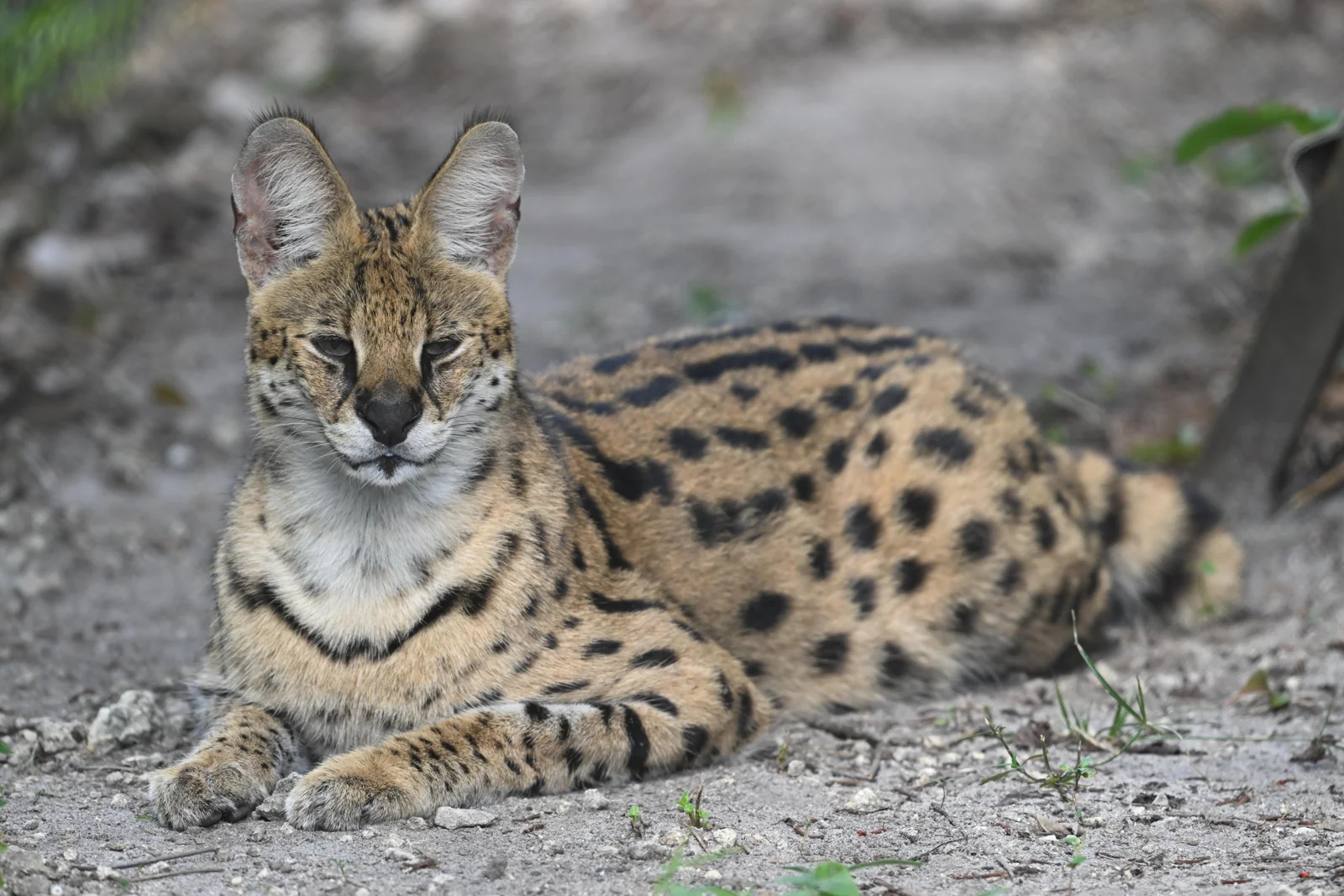
Serval
Leptailurus serval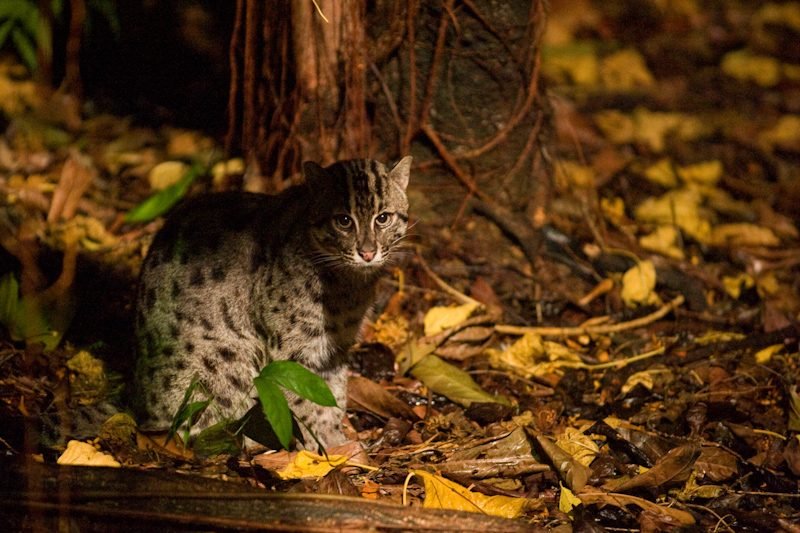
Kalyan Varma · CC BY-SA 4.0
Fishing Cat
Prionailurus viverrinus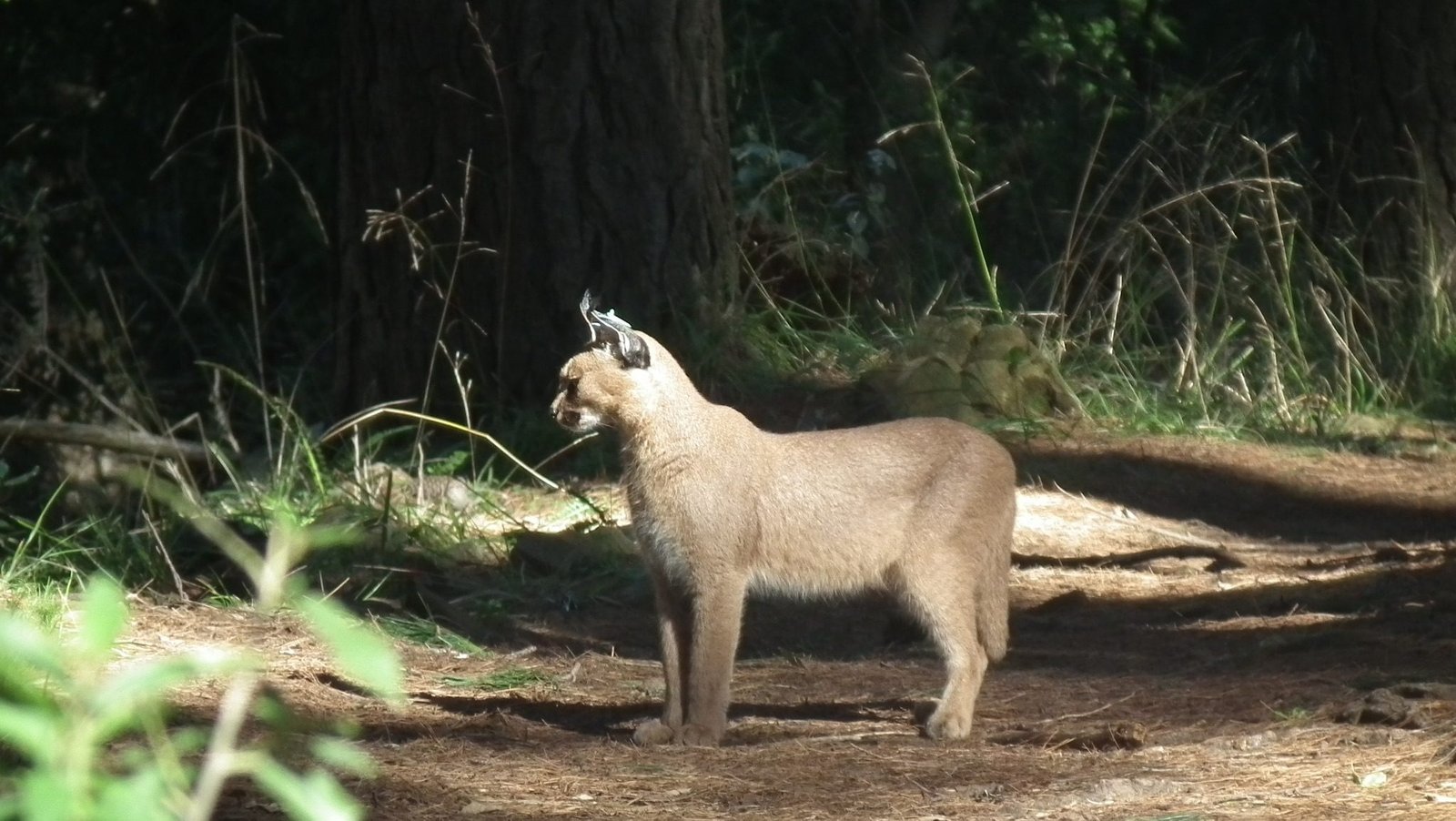
Shaun Swanepoel · CC BY 4.0
Caracal
Caracal caracal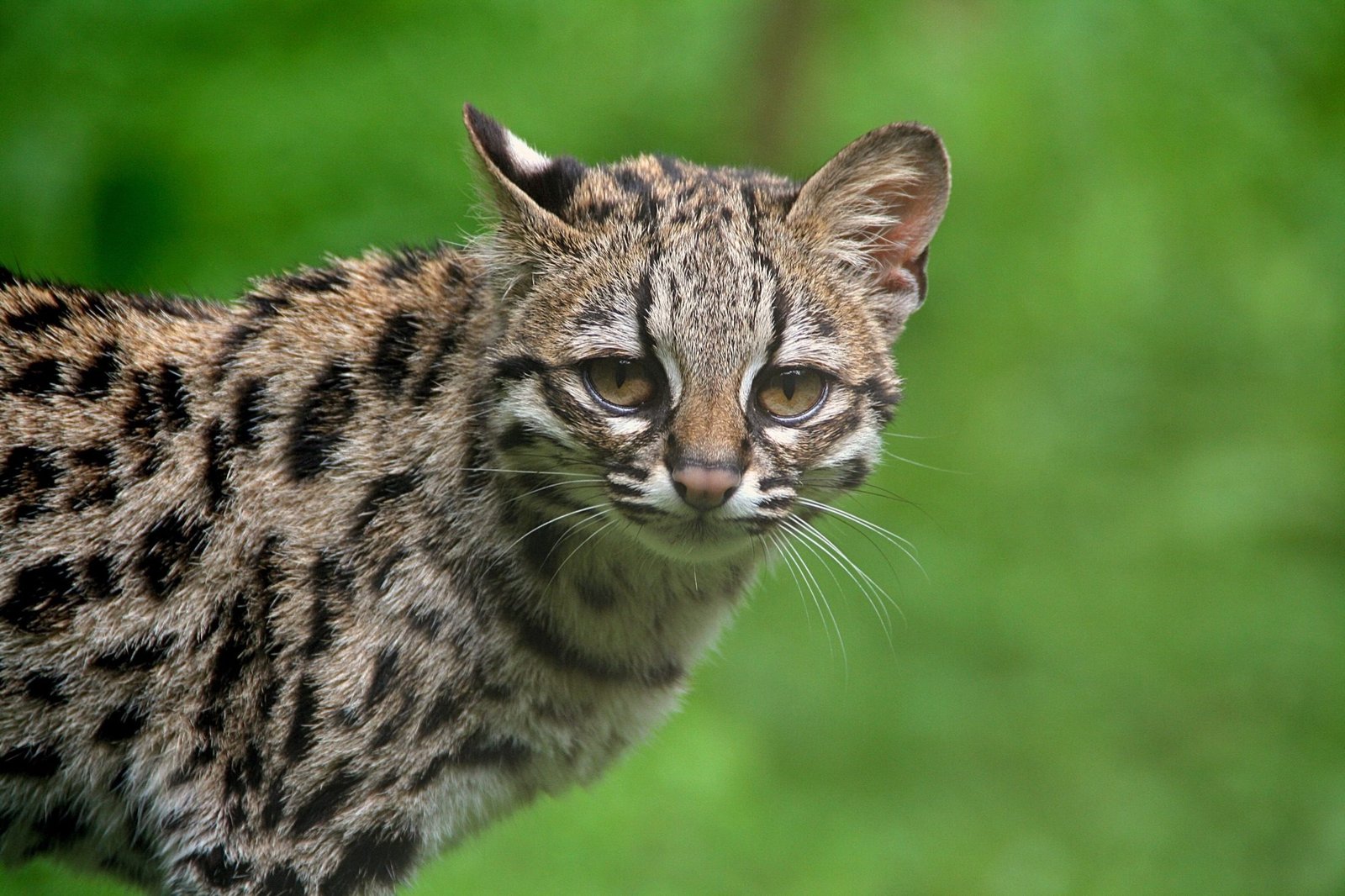
Clément Bardot · CC BY-SA 3.0
Margay
Leopardus wiedii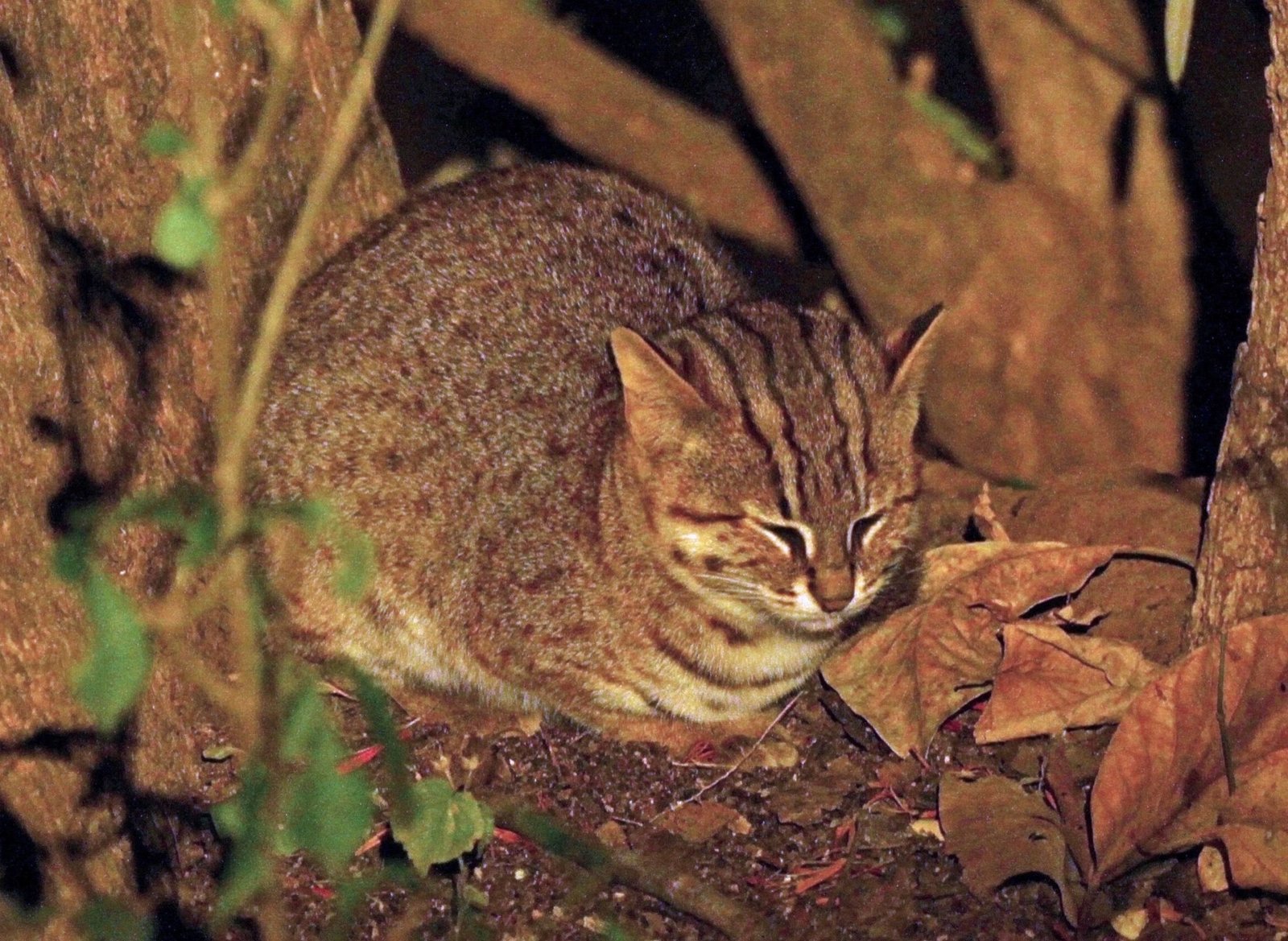
David V. Raju · CC BY-SA 4.0
Rusty-spotted Cat
Prionailurus rubiginosus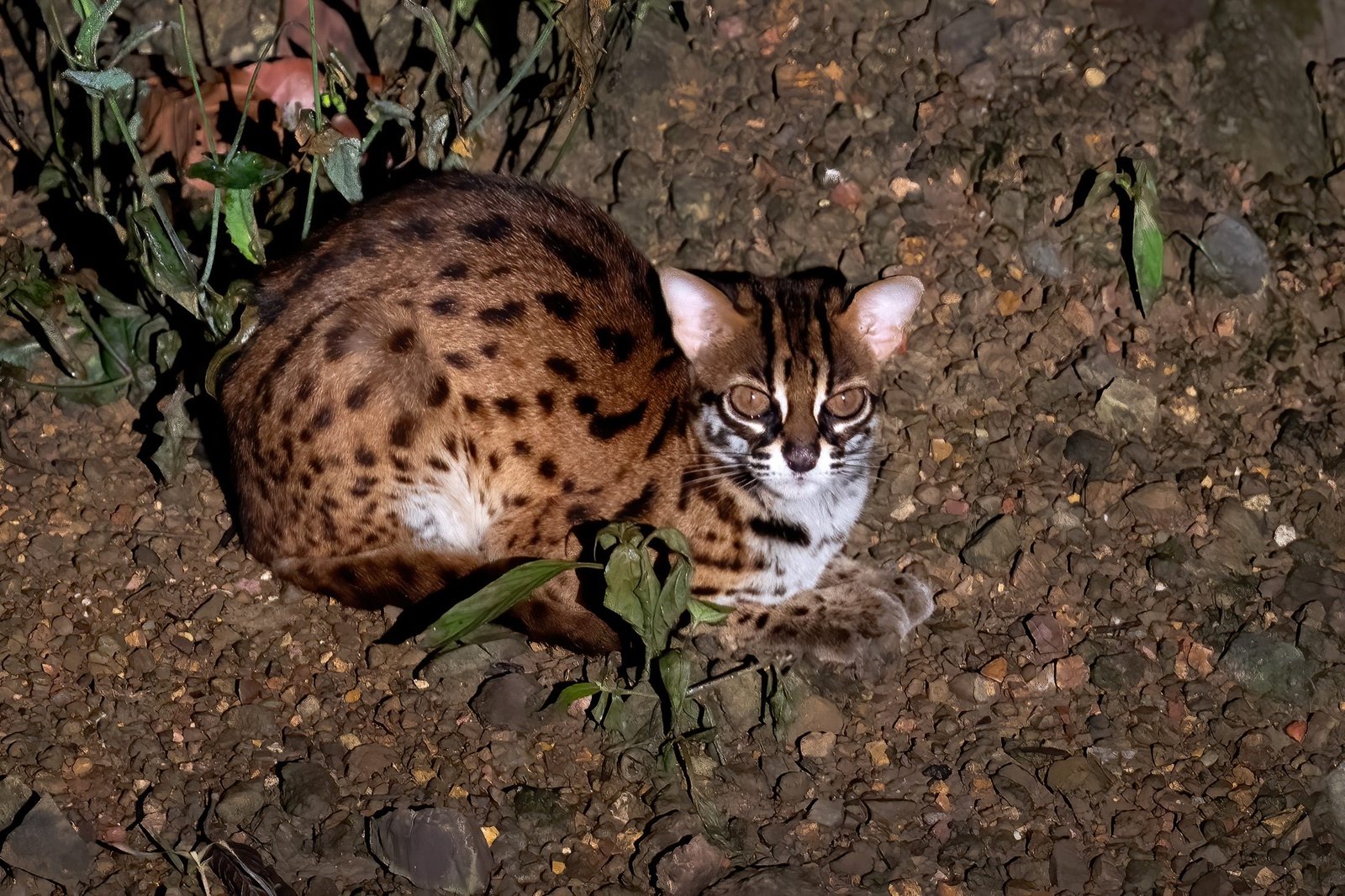
JJ Harrison · CC BY-SA 3.0
Sunda Leopard Cat
Prionailurus javanensisEvery cat has
something to teach us.
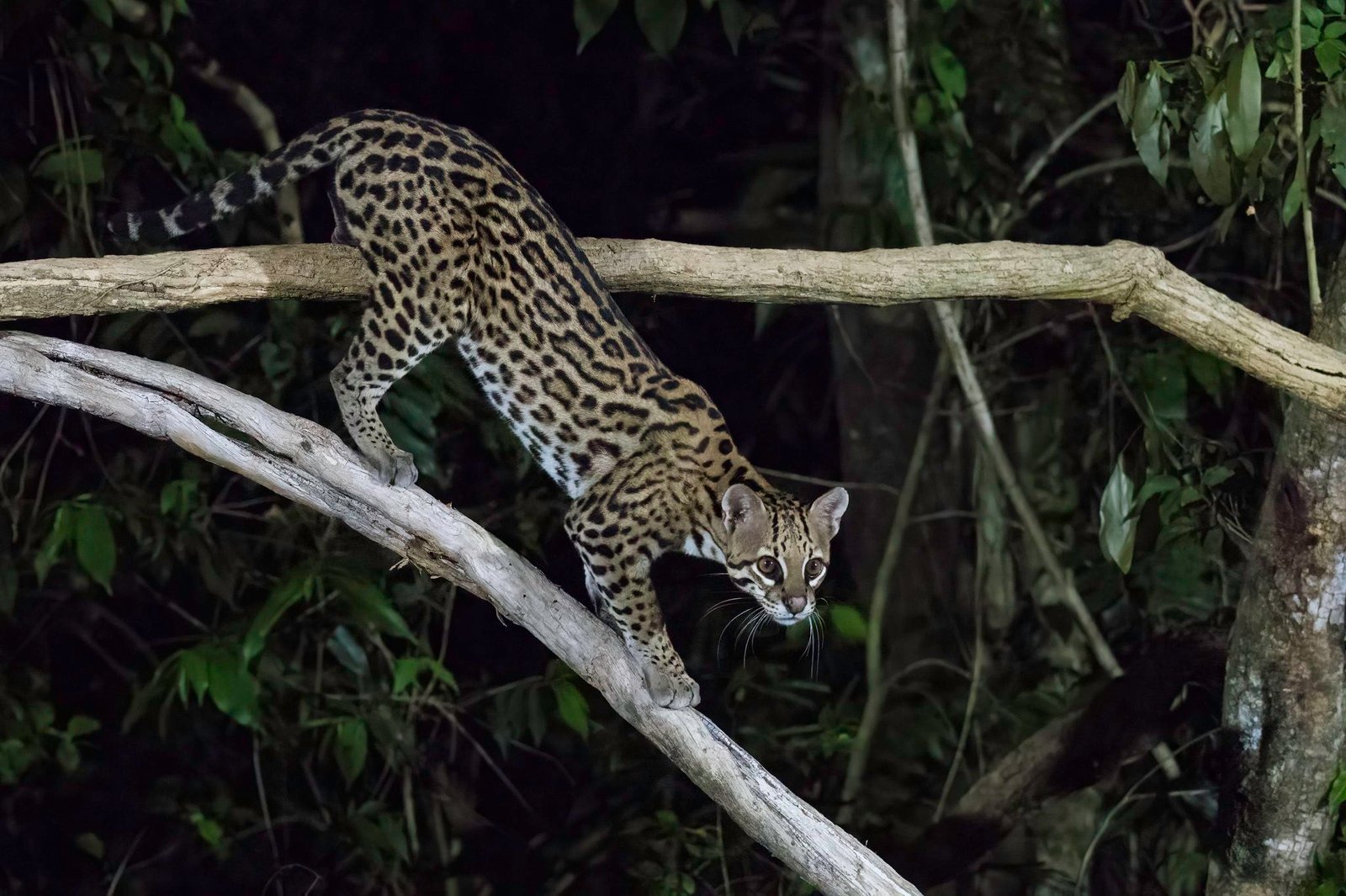
Emily Turteltaub Nelson · CC BY 4.0
Ocelot
Leopardus pardalisGlobal security can conceal a severe local crisis
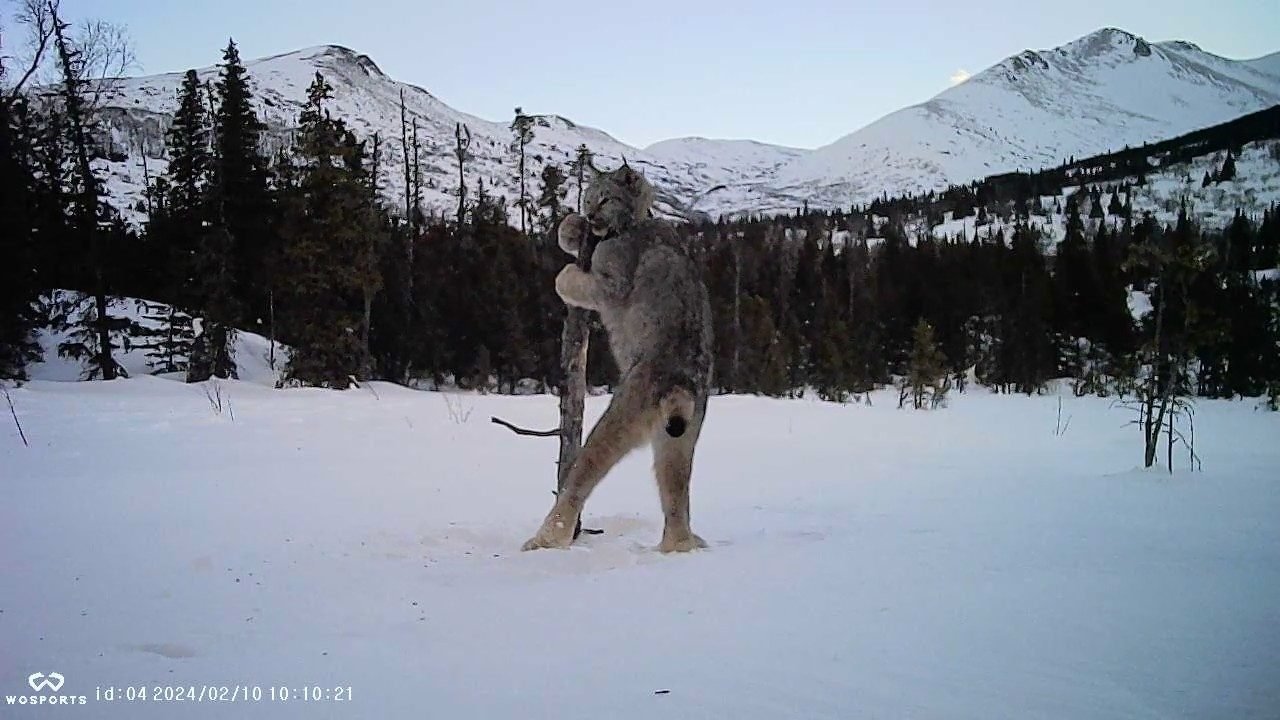
Canada Lynx
Lynx canadensisPopulation decline can be part of a natural cycle
Kalyan Varma · CC BY-SA 4.0
Fishing Cat
Prionailurus viverrinusWetlands are predator habitat.
JJ Harrison · CC BY-SA 3.0
Sunda Leopard Cat
Prionailurus javanensisTaxonomy can move faster than conservation assessment
Fame is only
part of the family.
Our framework puts familiar cats beside overlooked ones. Both deserve curiosity, careful science and a place in the picture.
Why do we say 40?One month.
Four cats.
One familiar face and three cats worth getting to know. This is a preview of the format — a scheduled monthly edition hasn’t launched yet.
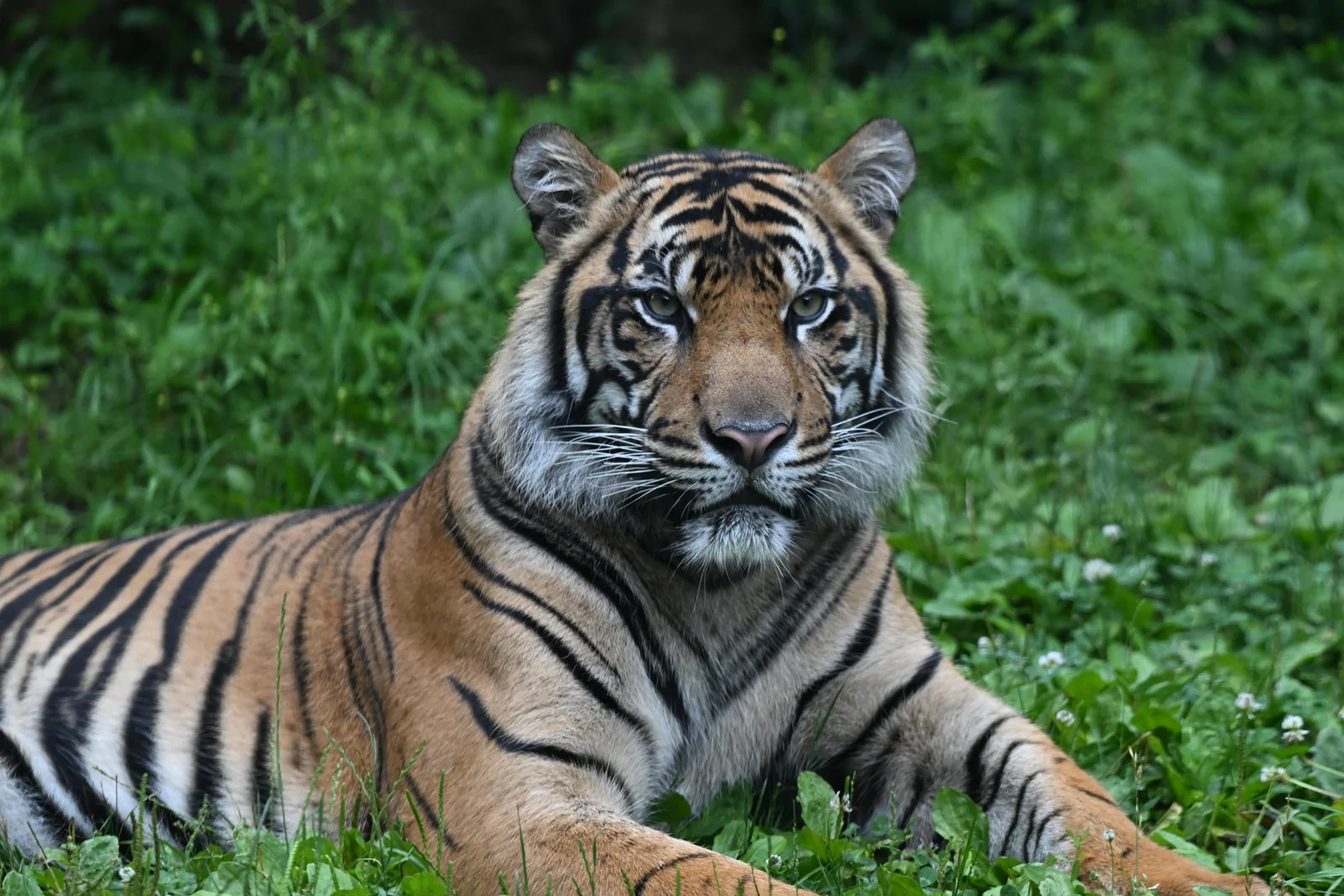
Tiger
Panthera tigrisRecovery happens population by population
Kalyan Varma · CC BY-SA 4.0
Fishing Cat
Prionailurus viverrinusWetlands are predator habitat.
David V. Raju · CC BY-SA 4.0
Rusty-spotted Cat
Prionailurus rubiginosusA new detection is not evidence of population growth
Pallas’s Cat
Otocolobus manulLower extinction risk does not mean ecological recovery
Start with a question.
Choose a face.
Follow a story.
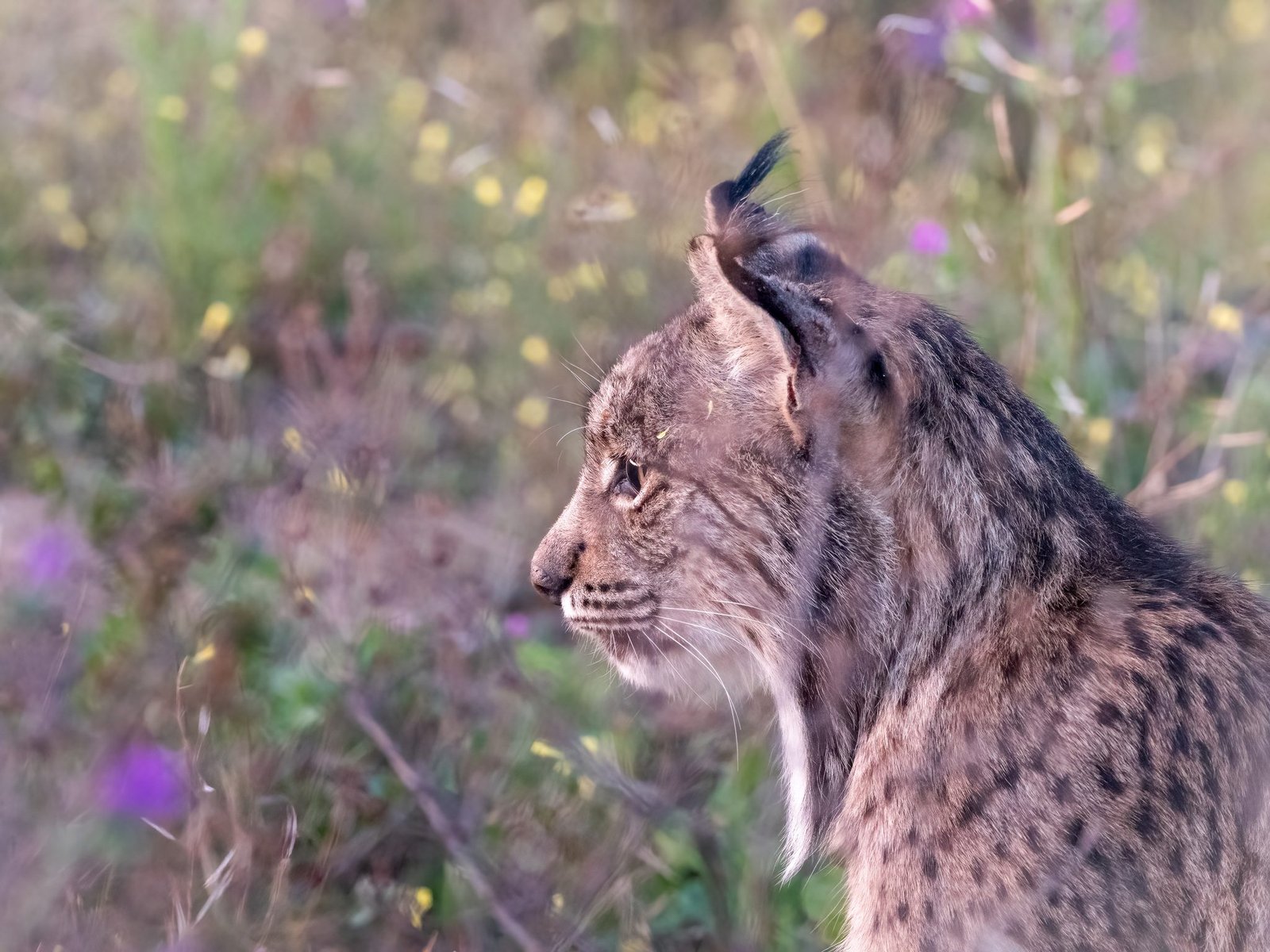


Iberian Lynx
Lynx pardinusConservation can work without the work being finished.
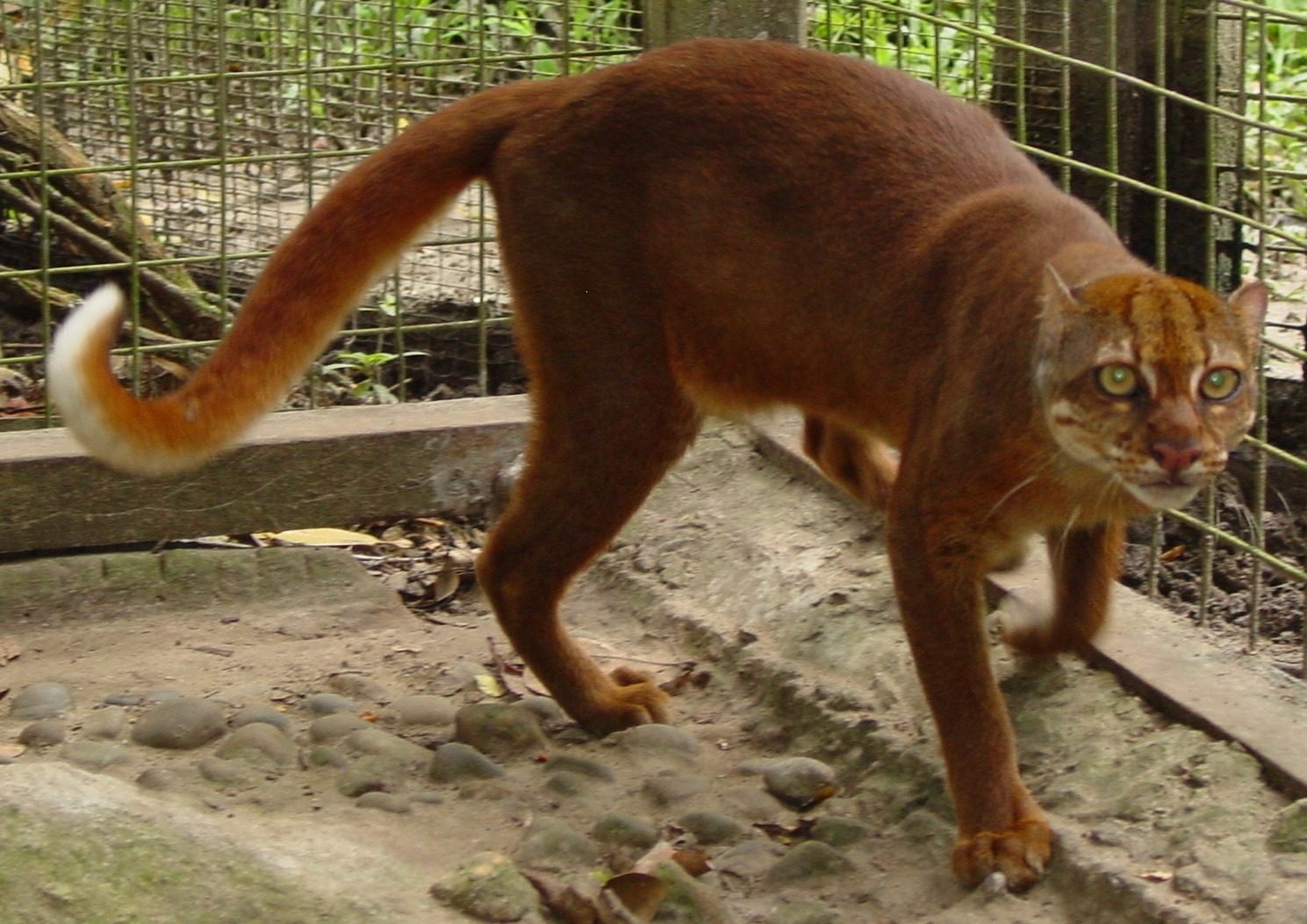
Jim Sanderson · crop by Abujoy · CC BY-SA 3.0

Bornean Bay Cat
Catopuma badiaLack of basic information is itself a conservation problem.
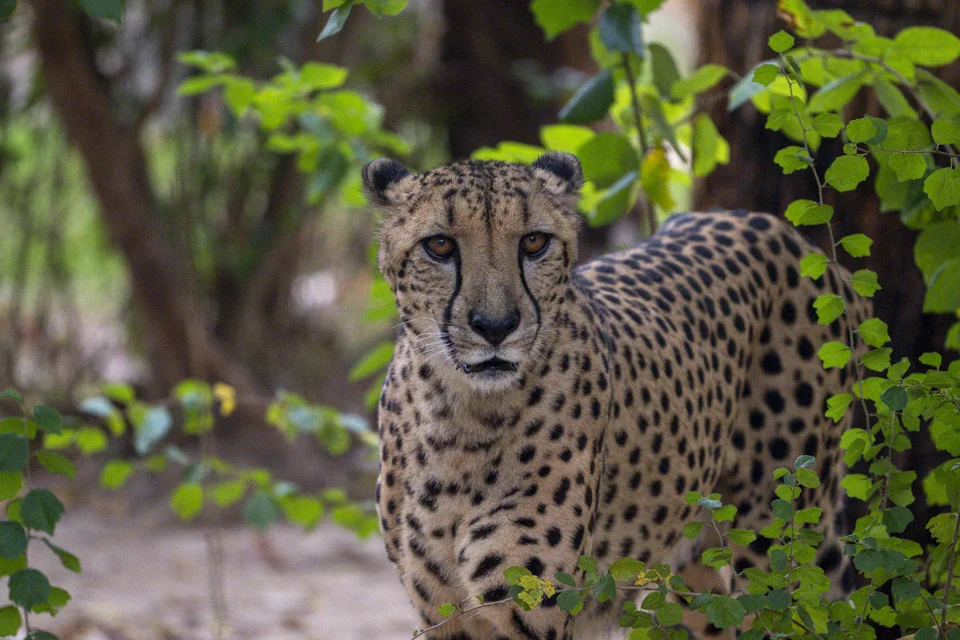
Cheetah
Acinonyx jubatusA global estimate can conceal severe fragmentation.
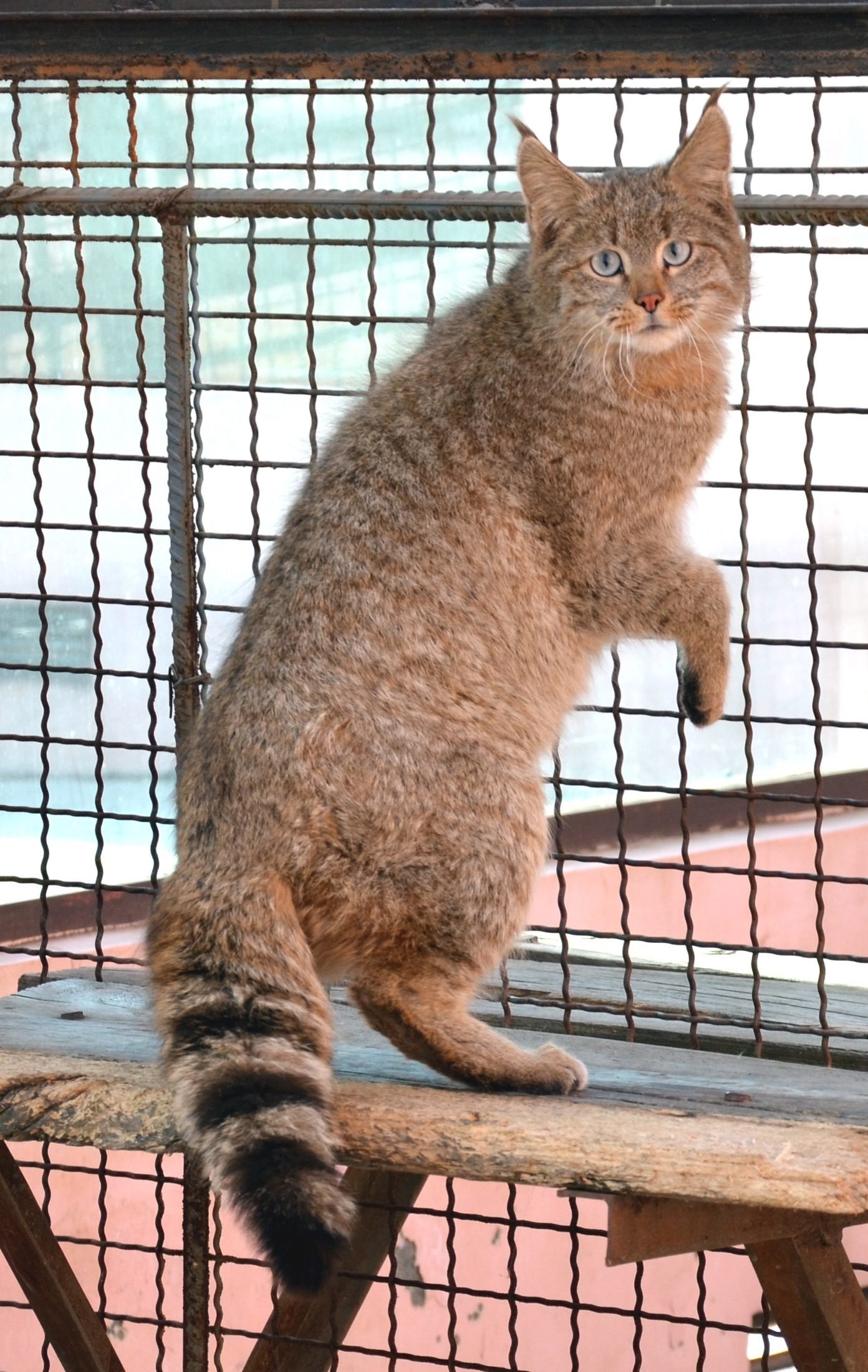
西宁野生动物园 (Xining Wildlife Park) · CC BY-SA 3.0
_in_XiNing_Wild_Zoo.jpg)
Chinese Mountain Cat
Felis bietiGenomics can challenge where we draw species boundaries
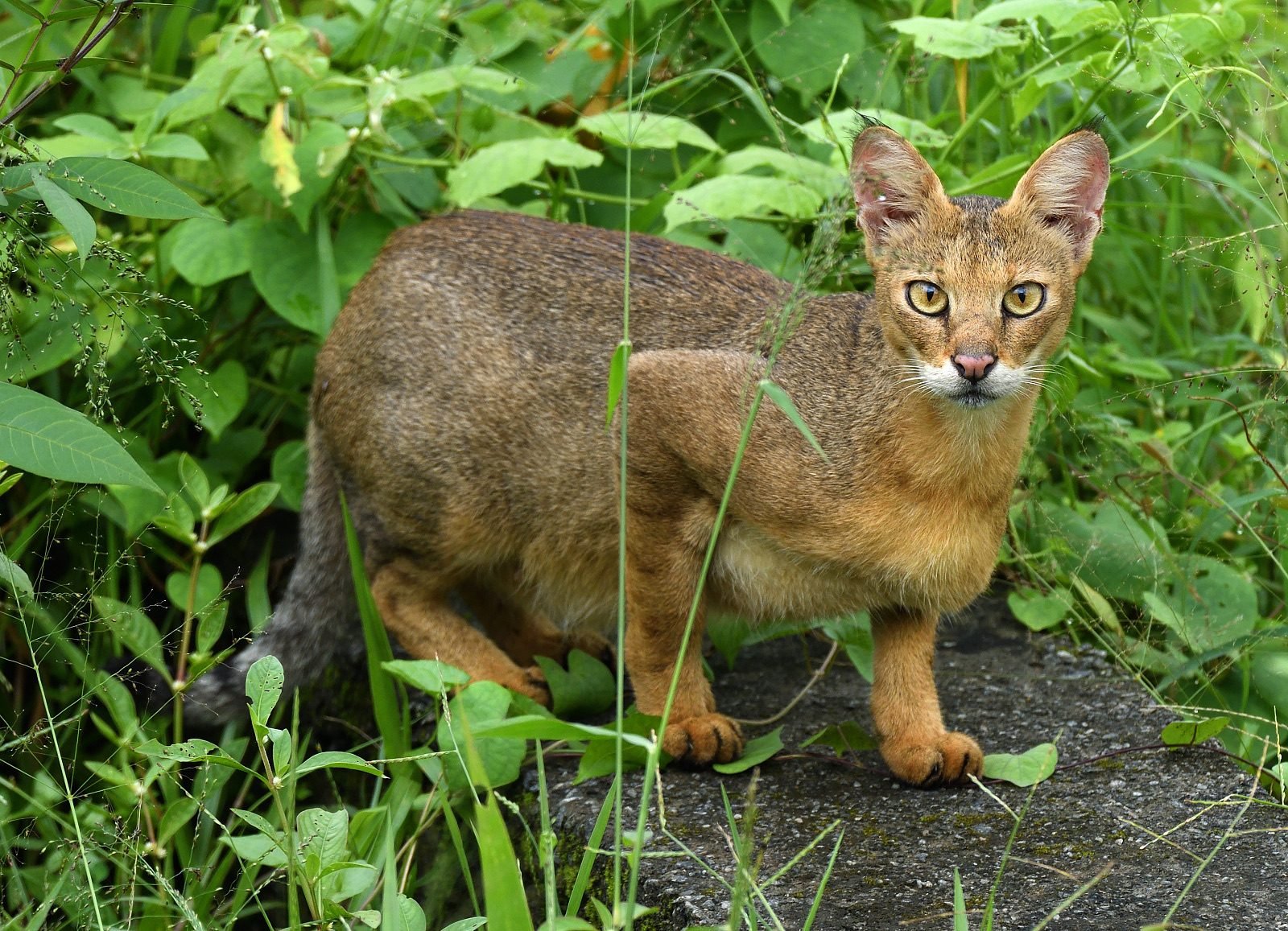
sunnyjosef · CC BY 4.0
Jungle Cat
Felis chausCommon names can badly misrepresent ecology
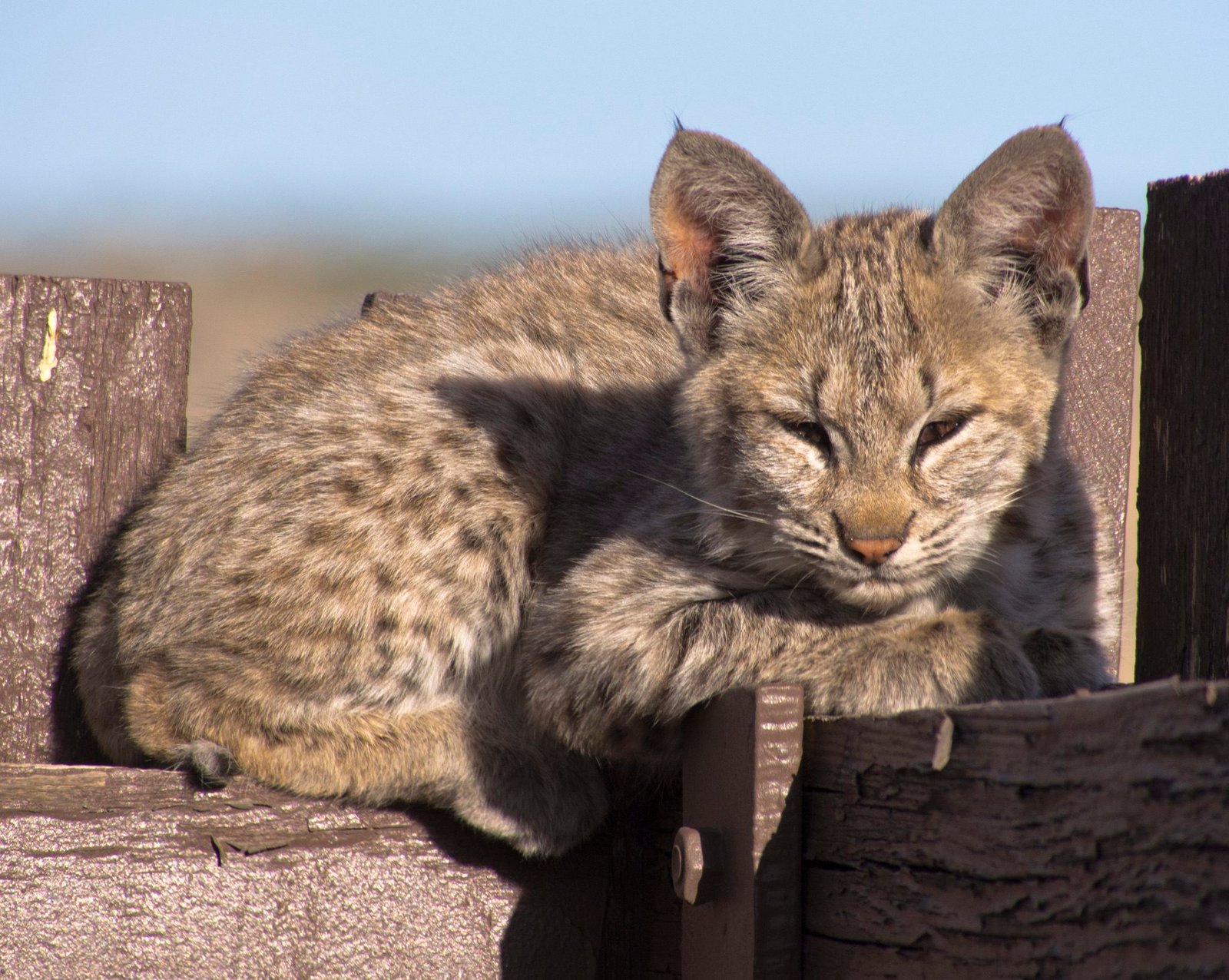
Robbie Hannawacker · CC0 1.0
Bobcat
Lynx rufusAdaptability does not equal invulnerability
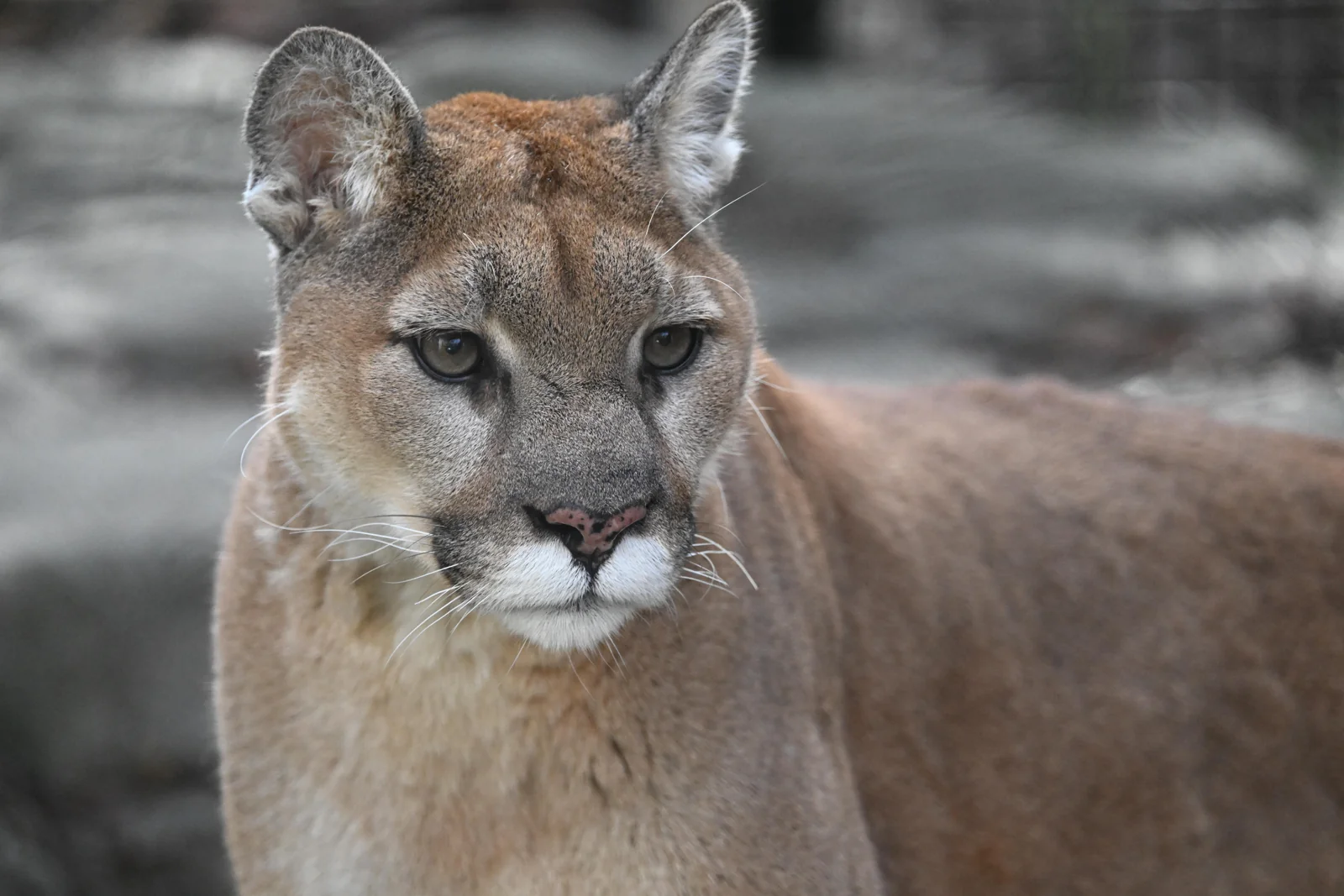
Puma
Puma concolorContinental distribution still depends on connectivity
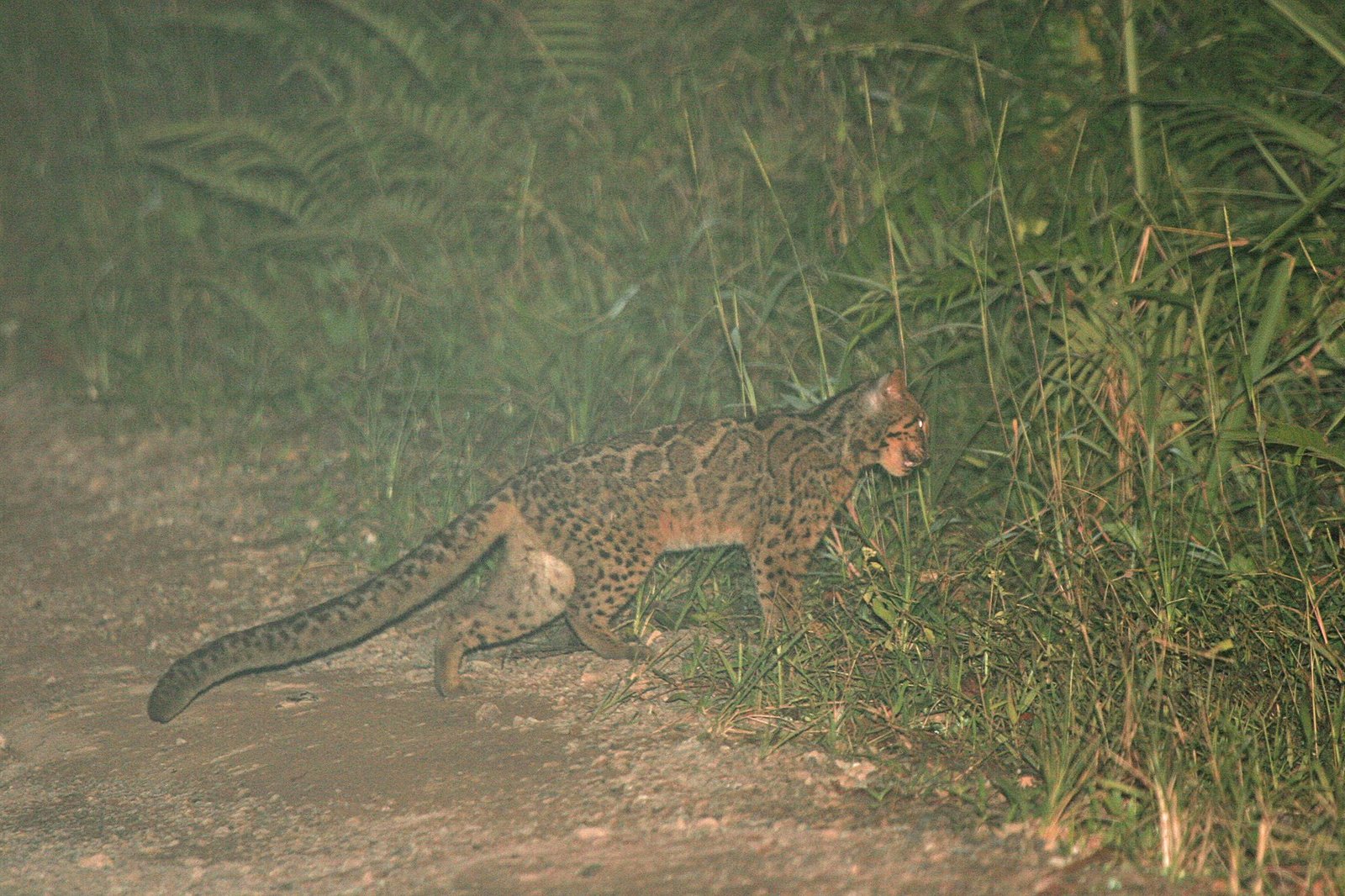
James Eaton · CC0 1.0

Marbled Cat
Pardofelis marmorataLow detection requires careful interpretation
A cat is part
of a landscape.
Protecting habitat can benefit more than one species. The connections matter: water, prey, cover and room to move.
See a wetland differentlyWonder meets evidence.
Camera traps
Who passed this place?
Genetics
How are populations related?
Tracking
Where does an animal move?
Field monitoring
What changes over time?
Notice more.
Understand more.
Photography starts the conversation. Education helps it grow. Thoughtful action gives it a direction.
Meet Zoo-EVSix cats.
One starting place.
A global initiative beginning with Nayarit, Mexico. Learn about the landscape shared by Jaguar, Puma, Ocelot, Margay, Jaguarundi and Bobcat.
Explore GuardiansFind your way
into the story.
Curiosity.
With accountability.
Understand the evidence behind the stories and the work behind Zoo-EV. Clear sources and honest limits belong in the experience.
See how we workWear the wild.
Share the story.
Continue the connection through the Zoo-EV Store. Purchases are commercial transactions with our store partner, not charitable contributions.
Store informationOne month.
Four cats.
Short stories, new faces and a reason to keep looking. Newsletter signup is coming soon.
Stay in touch