Robbie Hannawacker · CC0 1.0
Adaptable is not invulnerable.
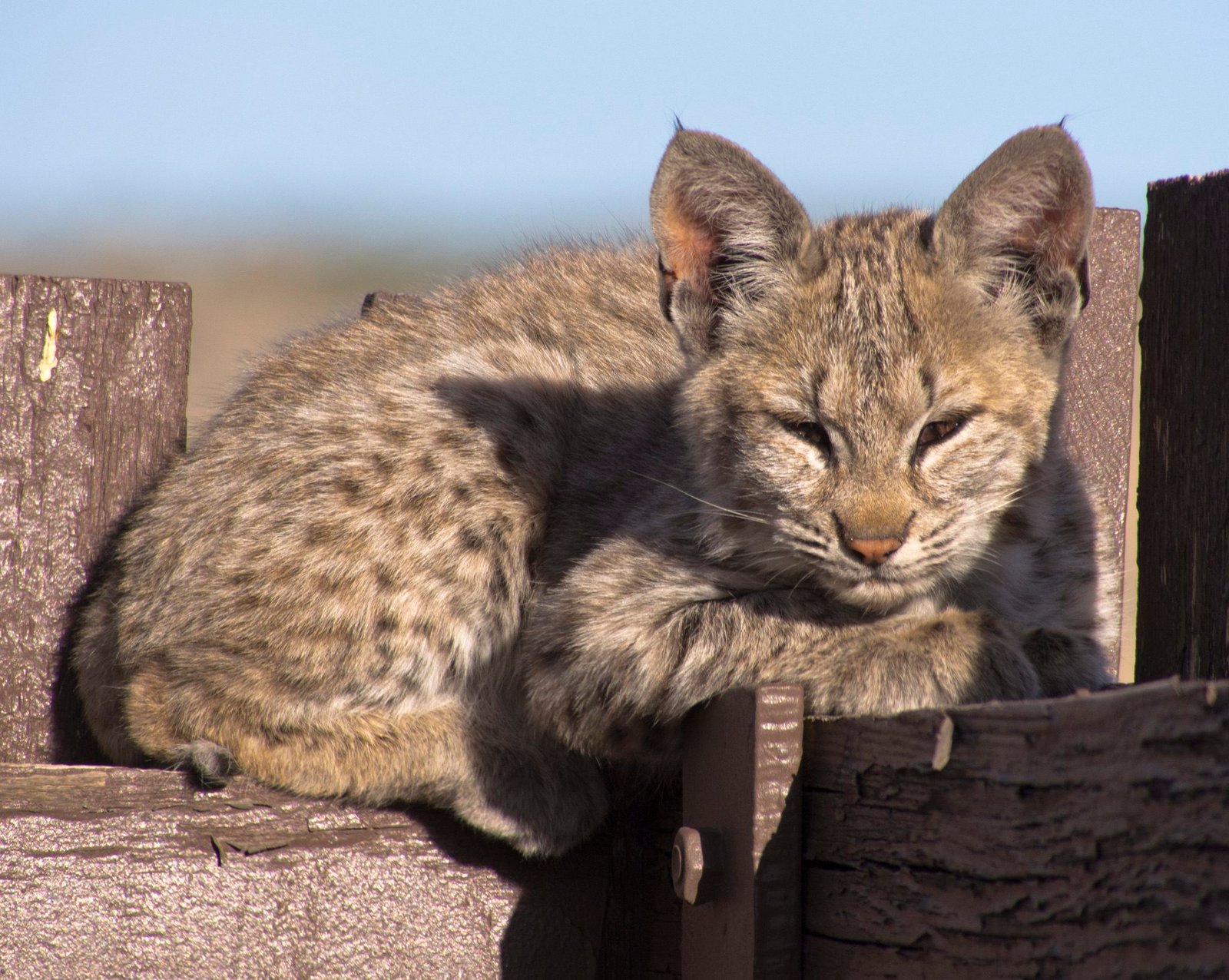
Bobcats can use a variety of landscapes. That flexibility does not erase local risks, nor does a familiar sighting show that every population is doing well.
Adaptability does not equal invulnerability
Conceptual comparison, not measured data.Its world.
Its conservation.
Monitor before setting harvest levels
Comparable population estimates, survival data, and trade records can test whether local trapping remains sustainable.
Connect urban and rural cover
Vegetated corridors, road crossings, and intact drainages let bobcats move without concentrating risk at highways and development gaps.
Reduce secondary poisoning
Wildlife-safe rodent control protects bobcats from toxic prey and may reduce vulnerability to severe mange.
Robbie Hannawacker · CC0 1.0
Keep the method
in the picture.
Local monitoring helps distinguish presence from population performance; a national estimate cannot stand in for the whole range.
What don’t we know?
Where do roads and development turn usable habitat into isolated patches?
Geographic context
North America.
This is geographic context, not a mapped distribution. Range polygons require taxon, date and reuse review before publication.
A different cat.
A different question.
Sources & Research Notes
Inherited research adapted to the locked editorial lesson; current assessment and independent scientific sign-off pending.
- IUCN SSC Cat Specialist Group · Bobcat
- CATnews · Cats of the World: snapshots (2011; historical reference)
Assessment year and field-data period are different. A source check does not update an assessment.