40 wild cats.
How many can
you name?
Every face opens a different story.
Explore all 40 Why 40?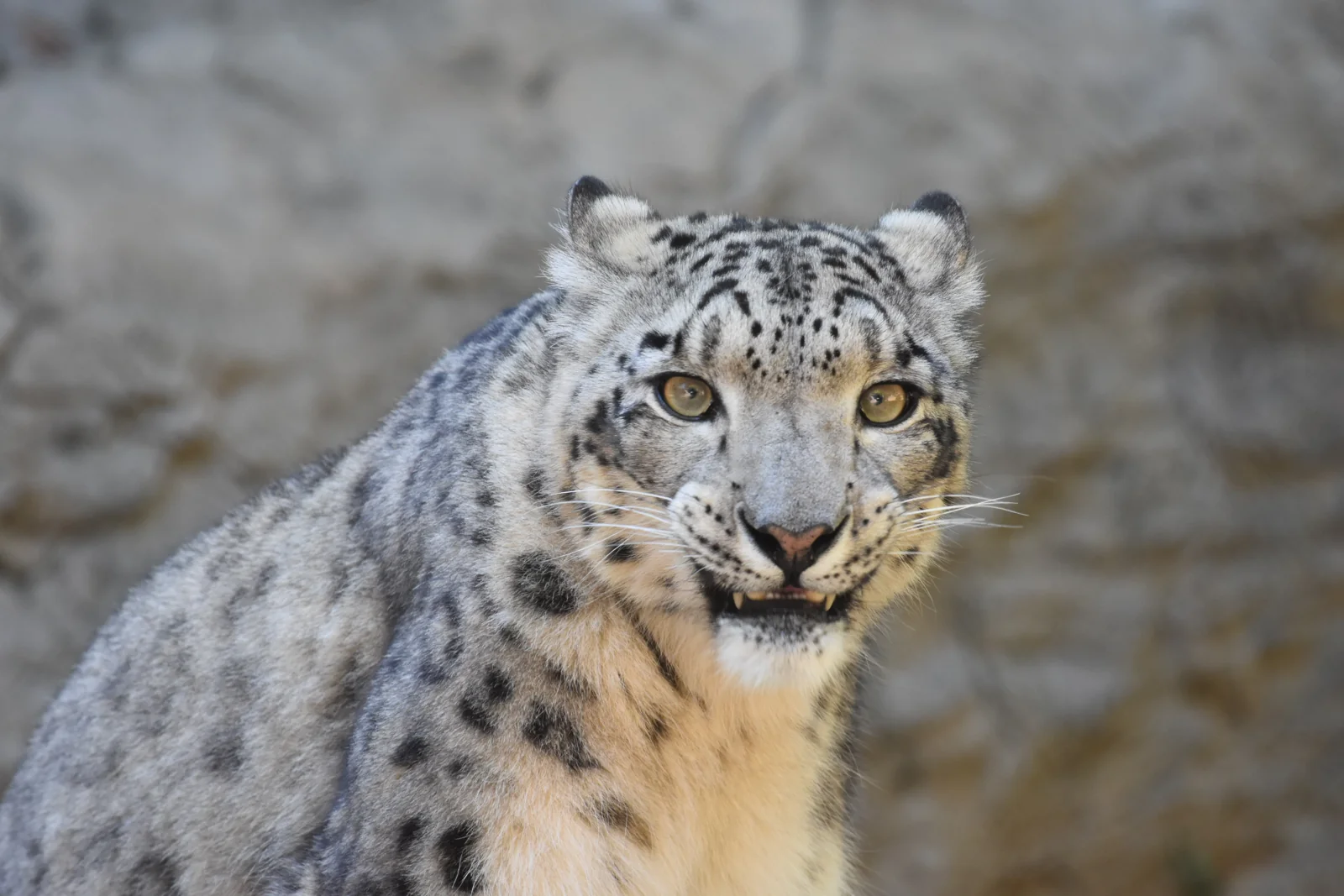
Kalyan Varma · CC BY-SA 4.0
Shaun Swanepoel · CC BY 4.0
Zoo-EV archive · Captive photographs
A family beyond
the familiar.
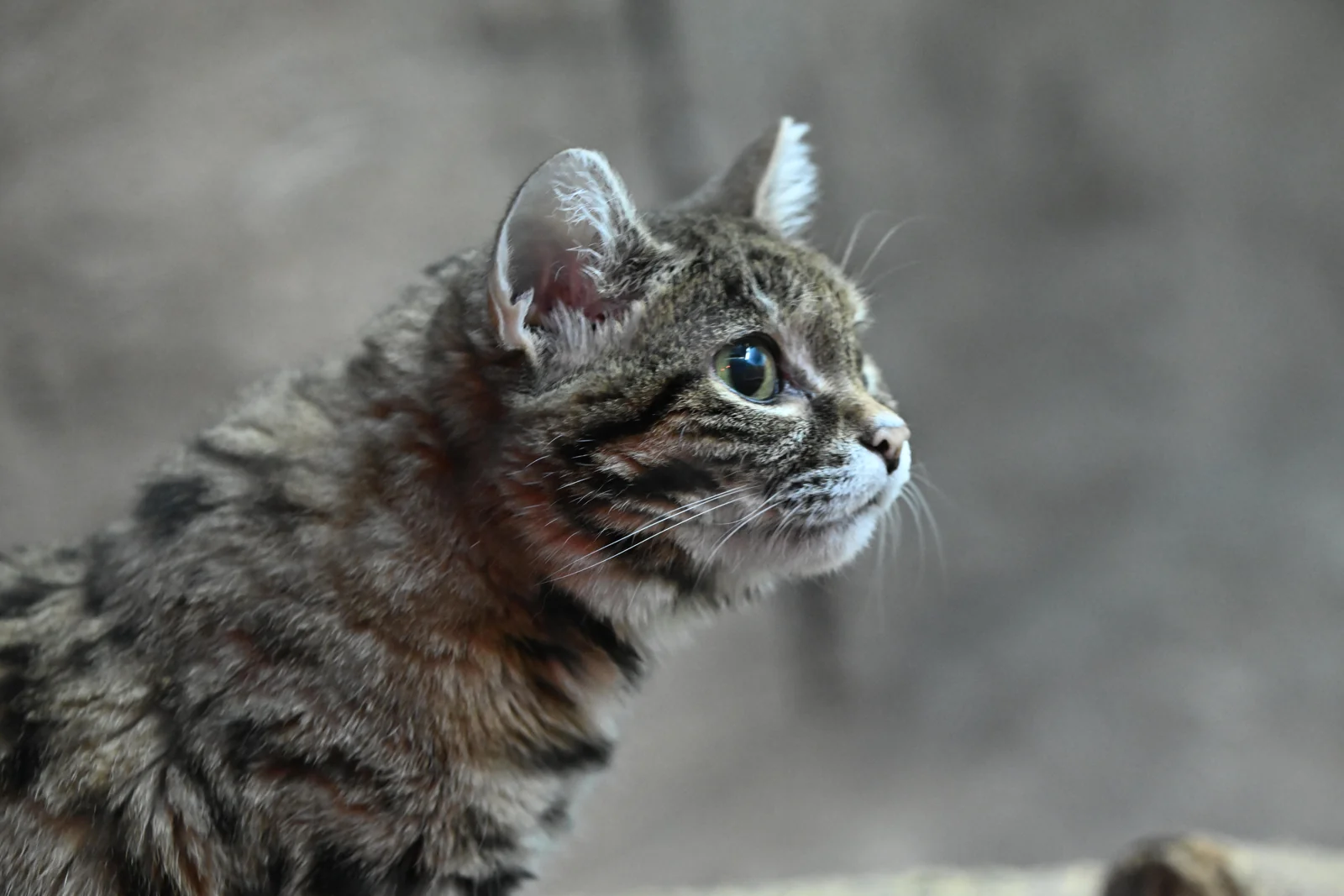
Black-footed Cat
Felis nigripes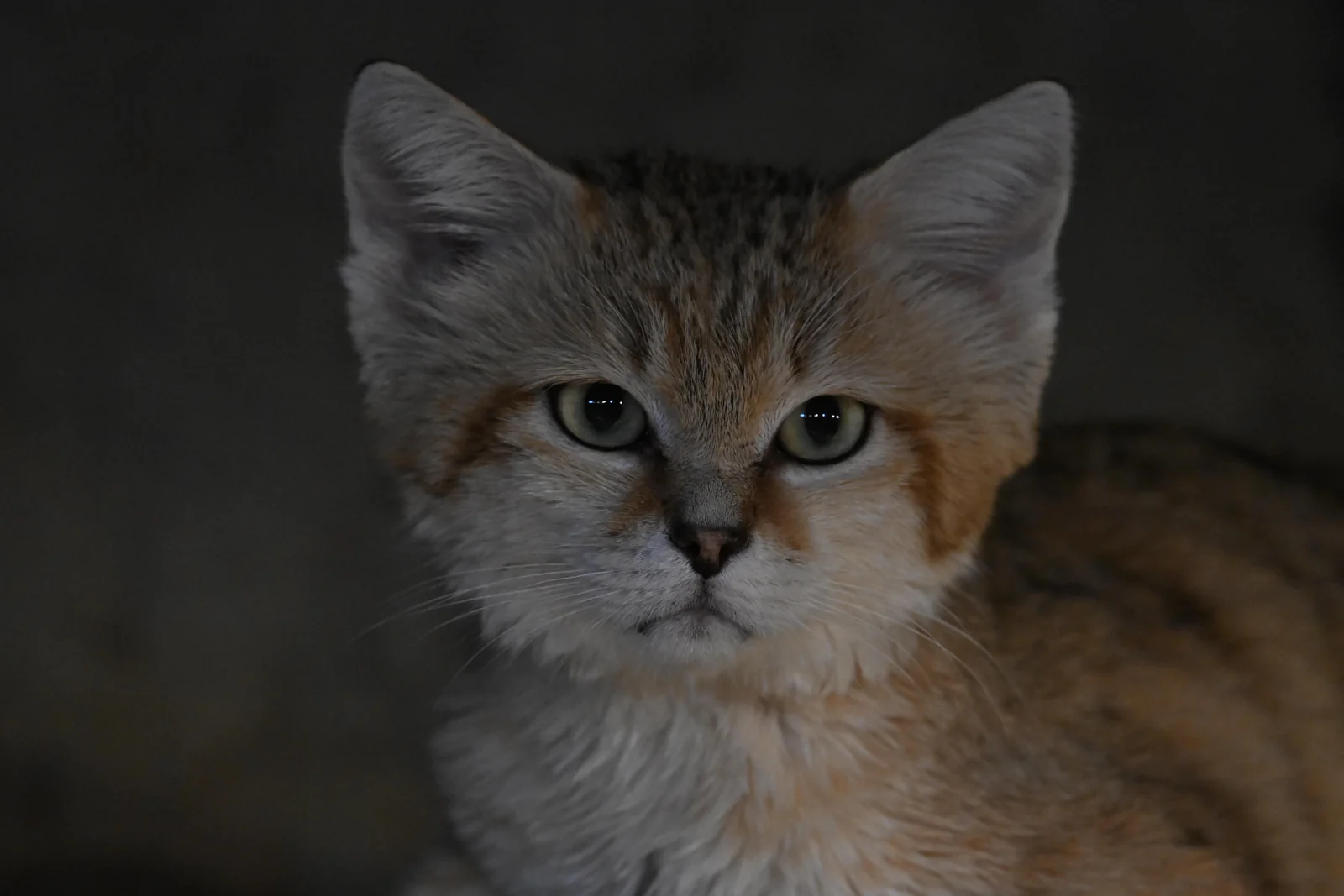
Sand Cat
Felis margarita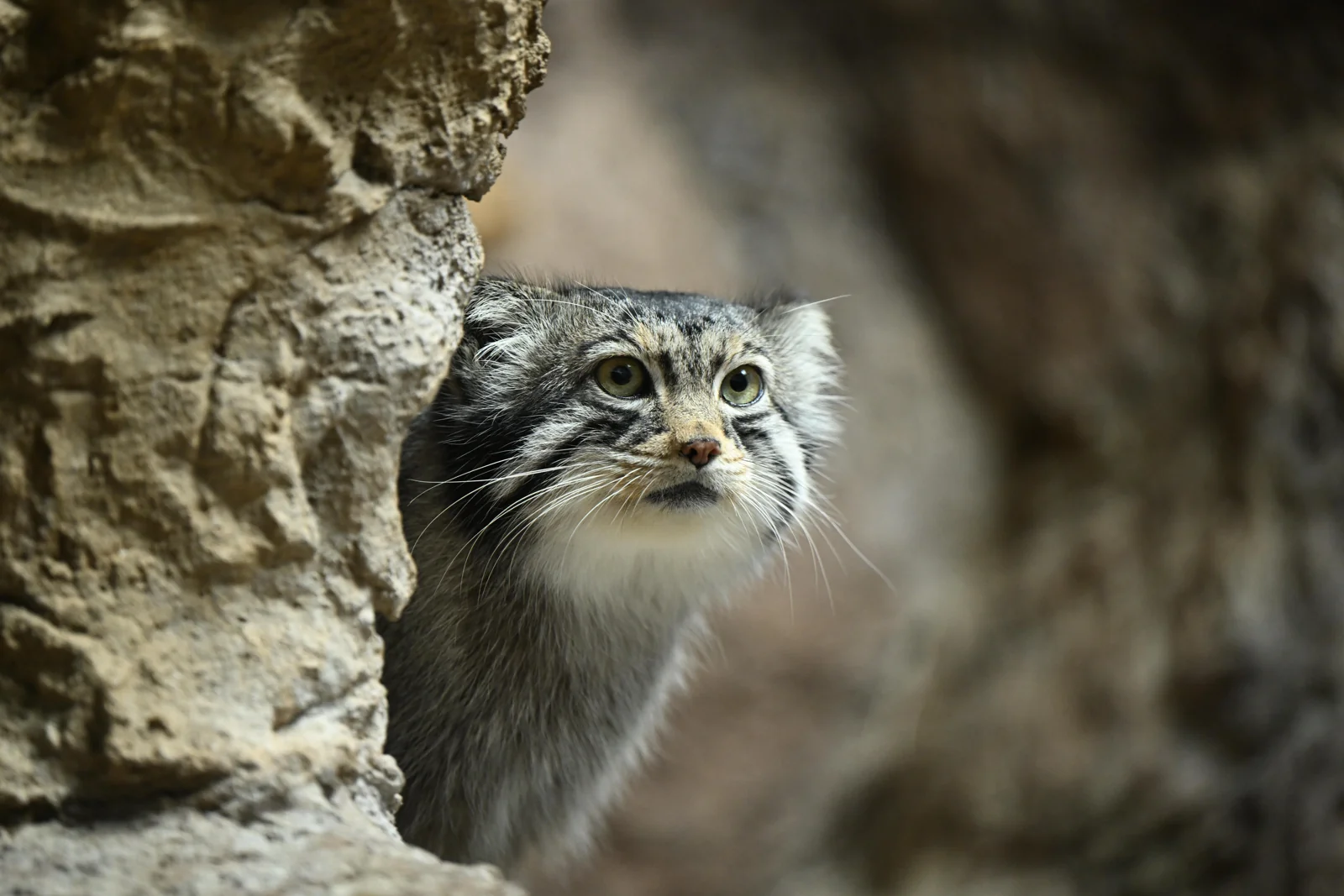
Pallas’s Cat
Otocolobus manul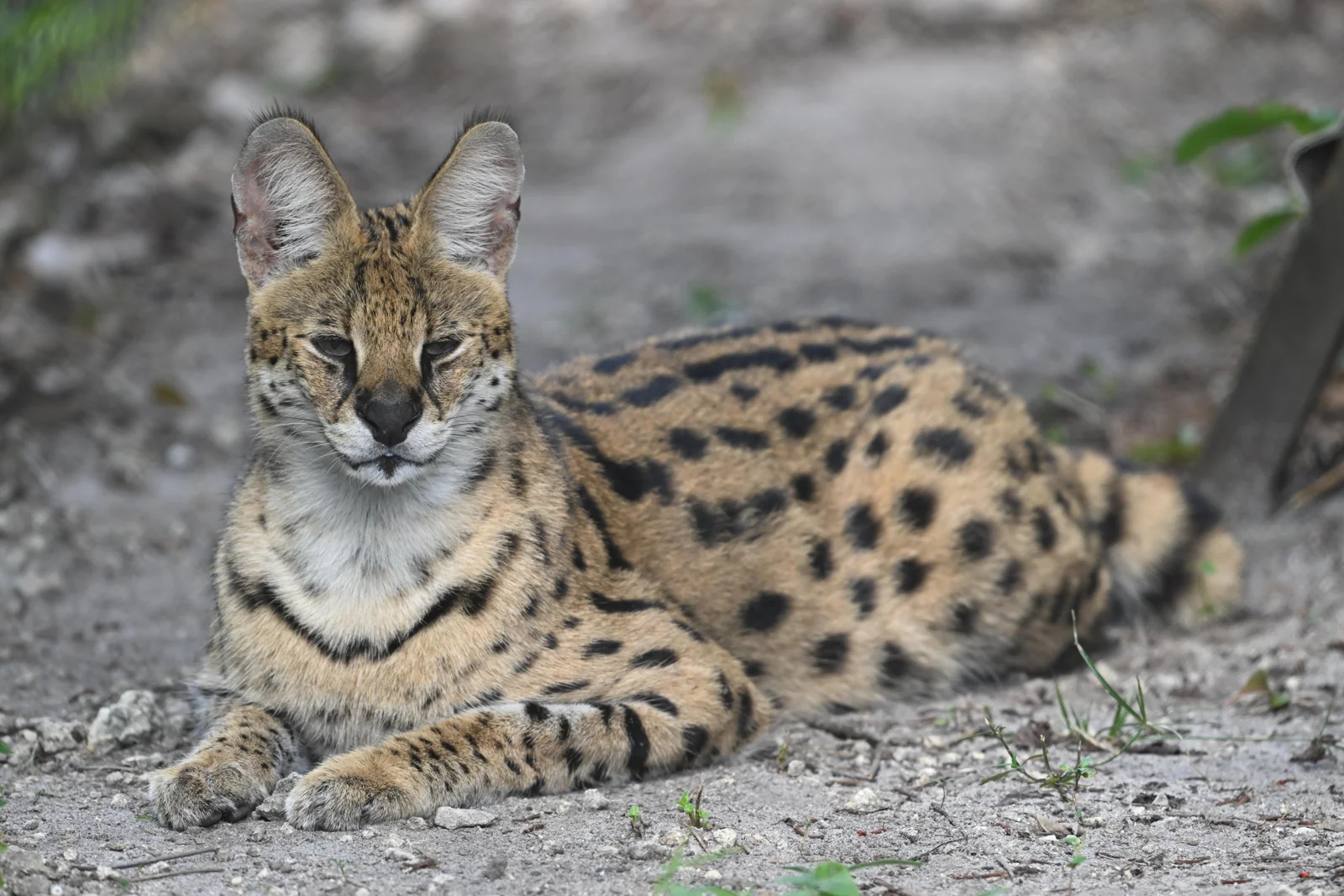
Serval
Leptailurus servalKalyan Varma · CC BY-SA 4.0
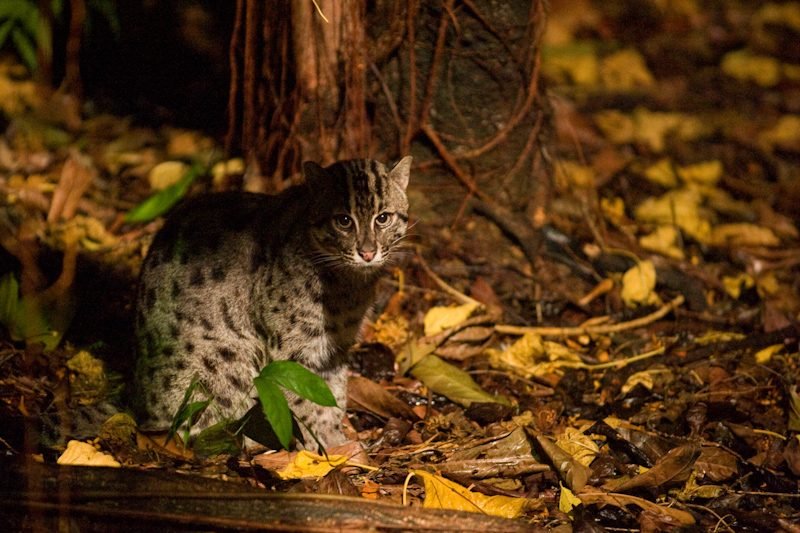
Fishing Cat
Prionailurus viverrinusShaun Swanepoel · CC BY 4.0
Caracal
Caracal caracal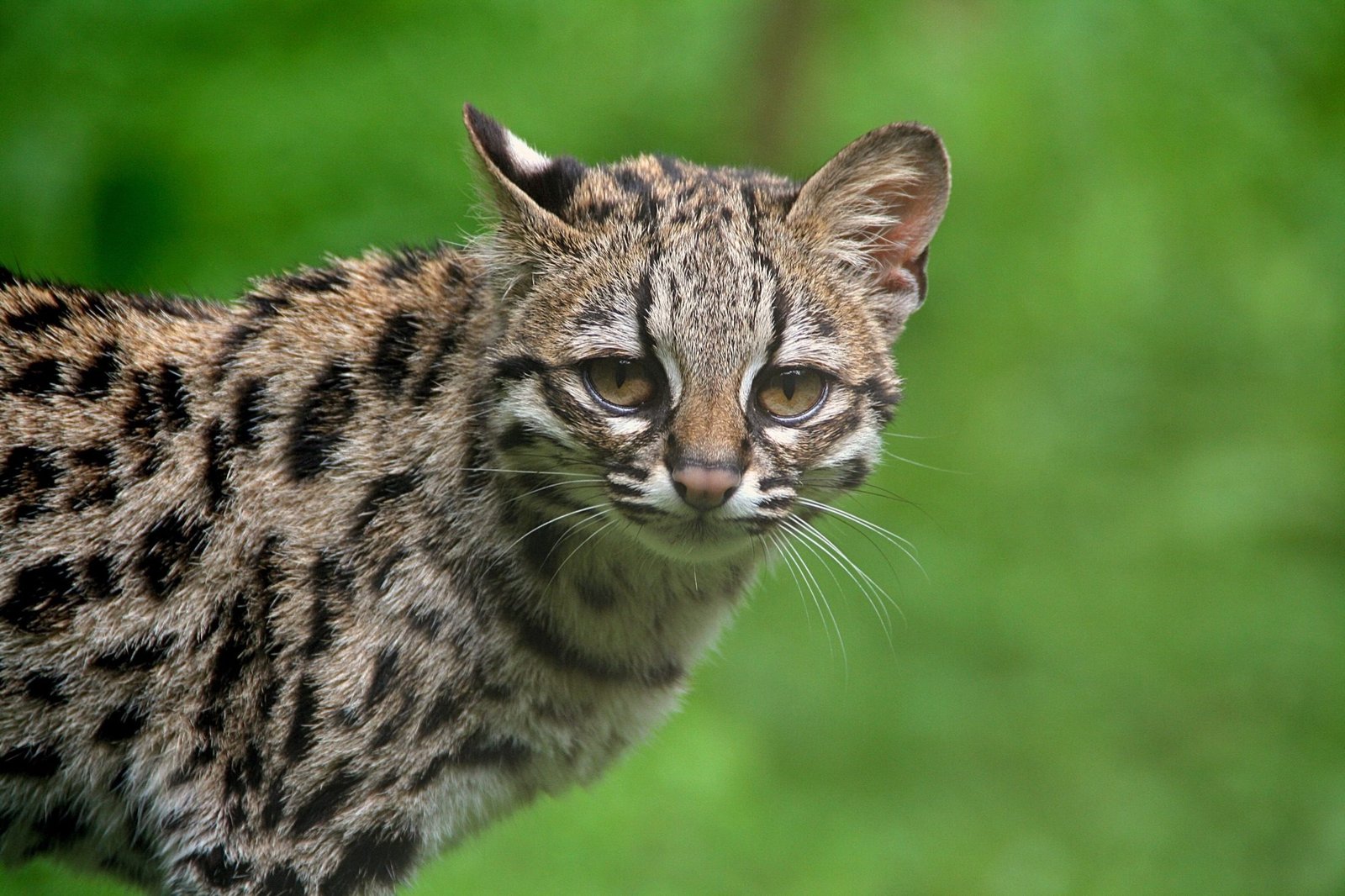
Clément Bardot · CC BY-SA 3.0
Margay
Leopardus wiedii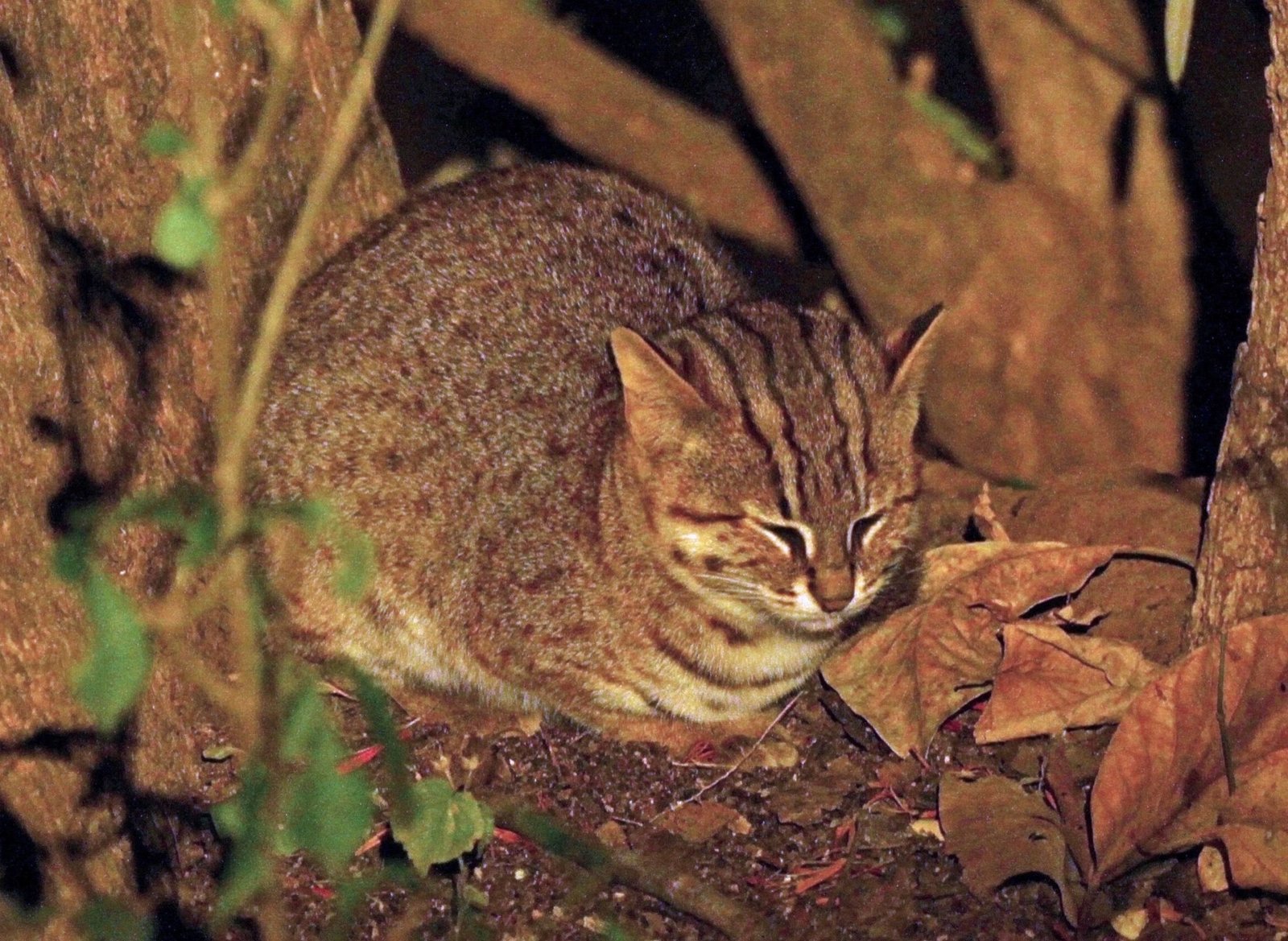
David V. Raju · CC BY-SA 4.0
Rusty-spotted Cat
Prionailurus rubiginosus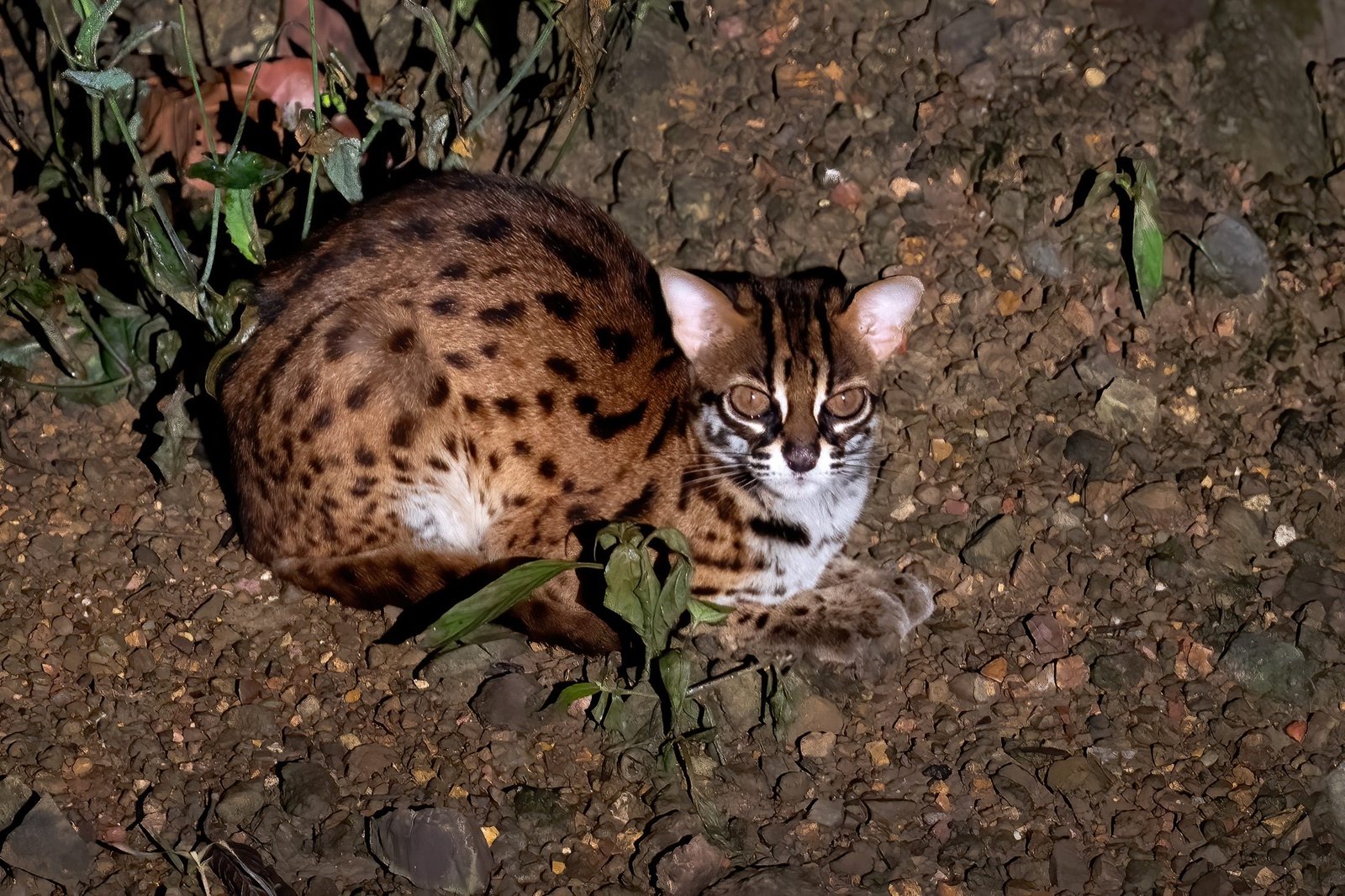
JJ Harrison · CC BY-SA 3.0
Sunda Leopard Cat
Prionailurus javanensisFour cats.
Four bigger ideas.
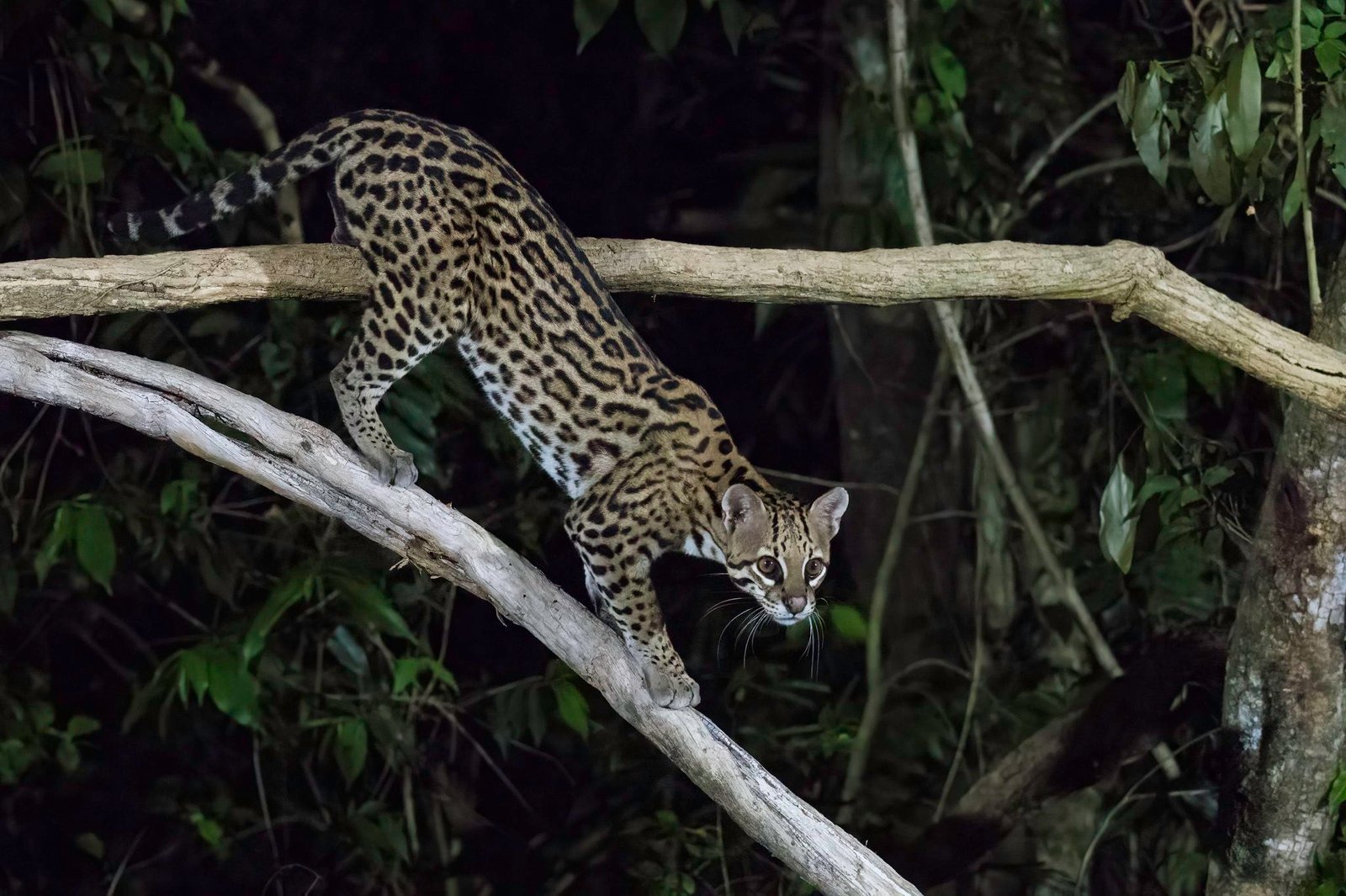
Emily Turteltaub Nelson · CC BY 4.0
Ocelot
Leopardus pardalisGlobal security can conceal a severe local crisis
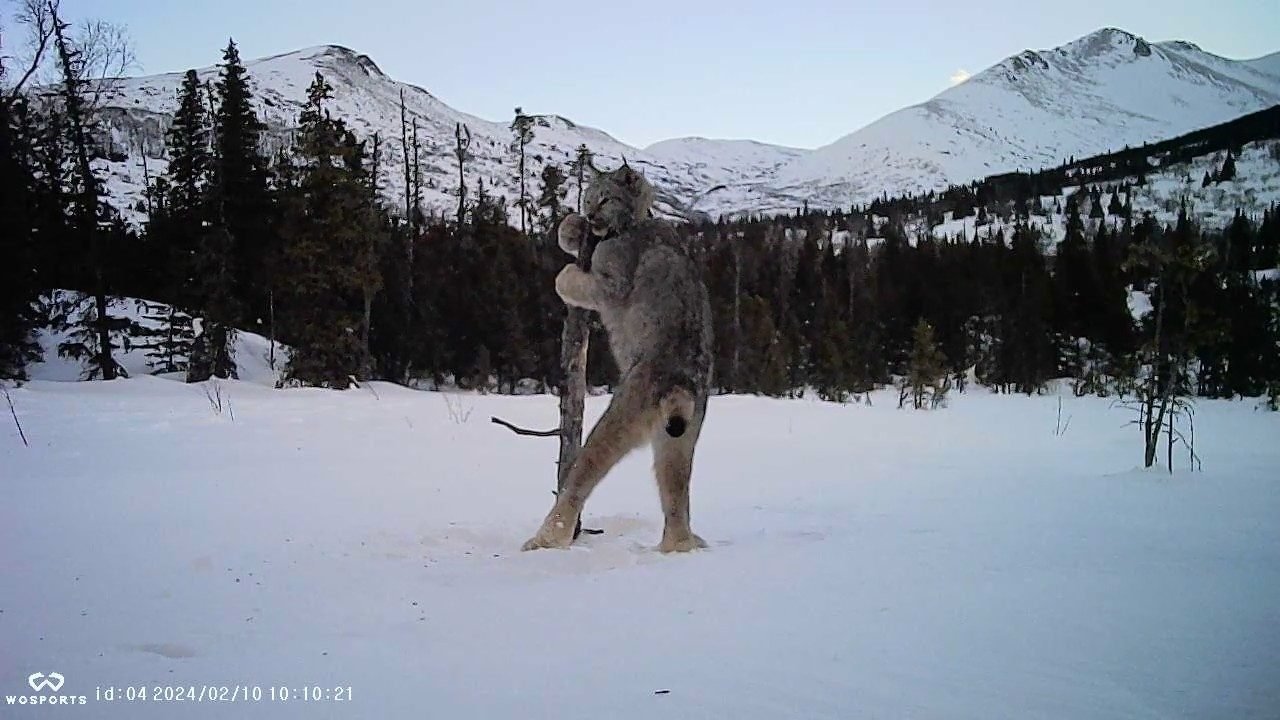
Canada Lynx
Lynx canadensisPopulation decline can be part of a natural cycle
JJ Harrison · CC BY-SA 3.0
Sunda Leopard Cat
Prionailurus javanensisTaxonomy can move faster than conservation assessment
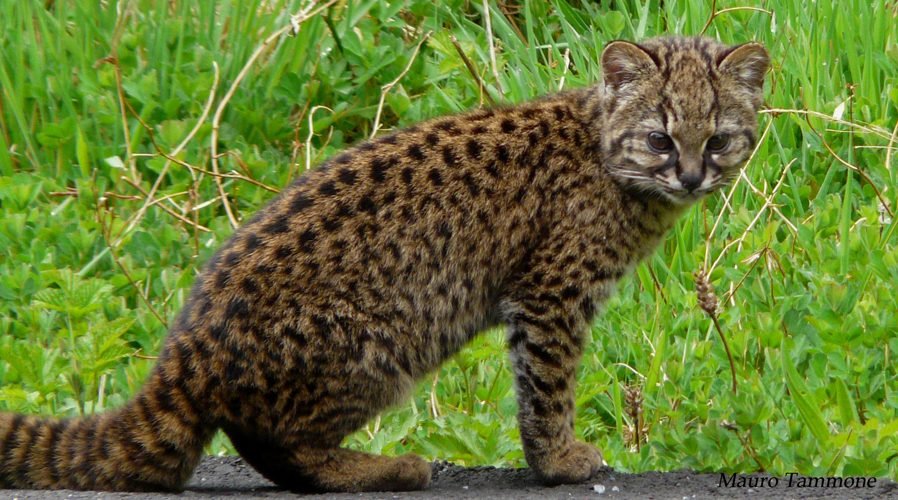
Mauro Tammone · CC BY 3.0
Kodkod
Leopardus guignaSurvey design changes what scientists detect
One month.
Four cats.
One familiar face and three cats worth getting to know. This sample quartet is not a scheduled monthly edition.
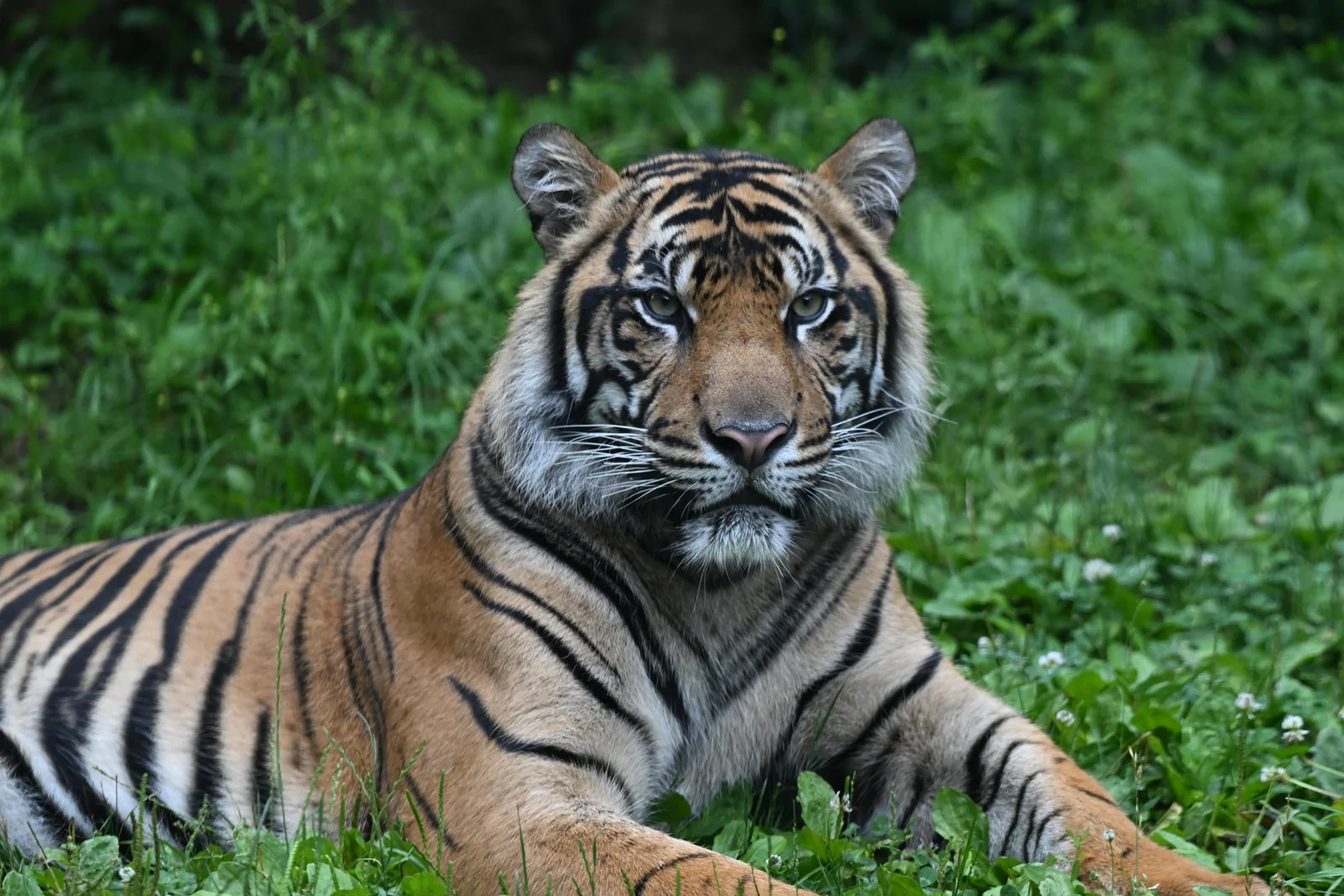
Tiger
Panthera tigrisRecovery happens population by population
Kalyan Varma · CC BY-SA 4.0
Fishing Cat
Prionailurus viverrinusWetlands are predator habitat.
David V. Raju · CC BY-SA 4.0
Rusty-spotted Cat
Prionailurus rubiginosusA new detection is not evidence of population growth
Pallas’s Cat
Otocolobus manulLower extinction risk does not mean ecological recovery
Let one cat
lead to another.
Find your next cat.
40 species stories
Kalyan Varma · CC BY-SA 4.0
Fishing Cat
Prionailurus viverrinusWetlands are predator habitat.
Snow Leopard
Panthera unciaFame does not make a species easy to count
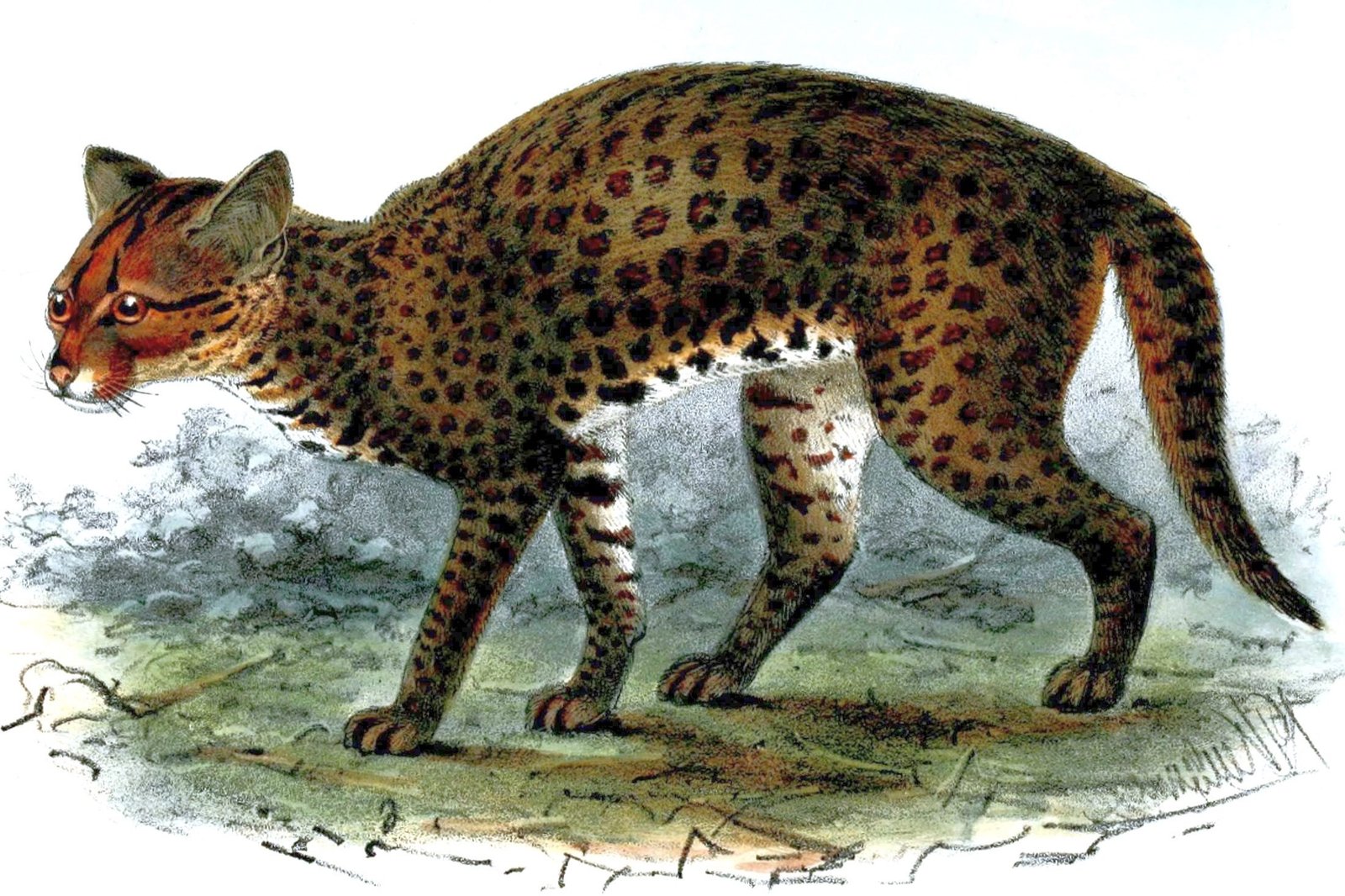
John Gerrard Keulemans · Public domain
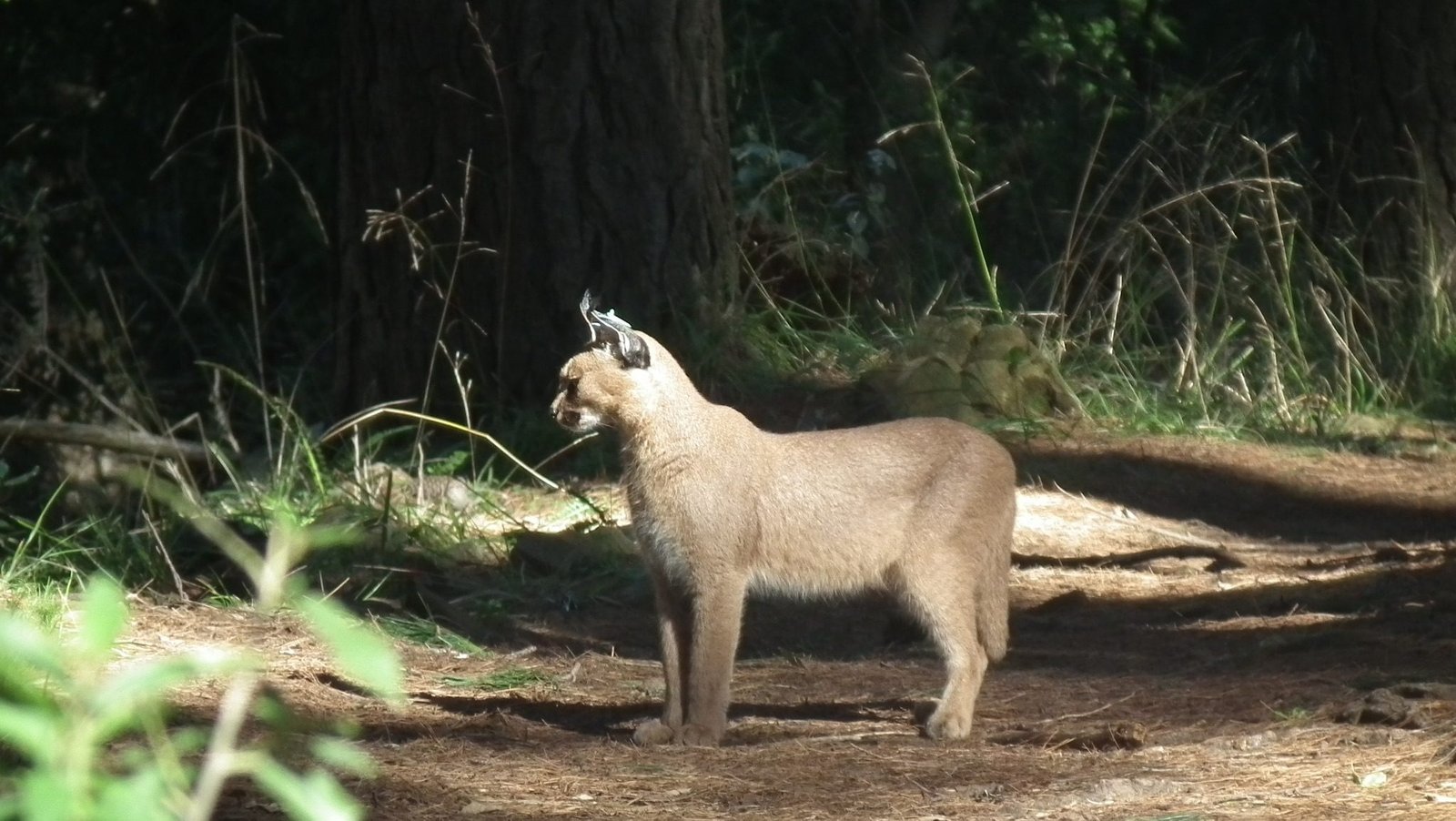
African Golden Cat
Caracal aurataHidden behind larger African carnivores; data scarcity matters
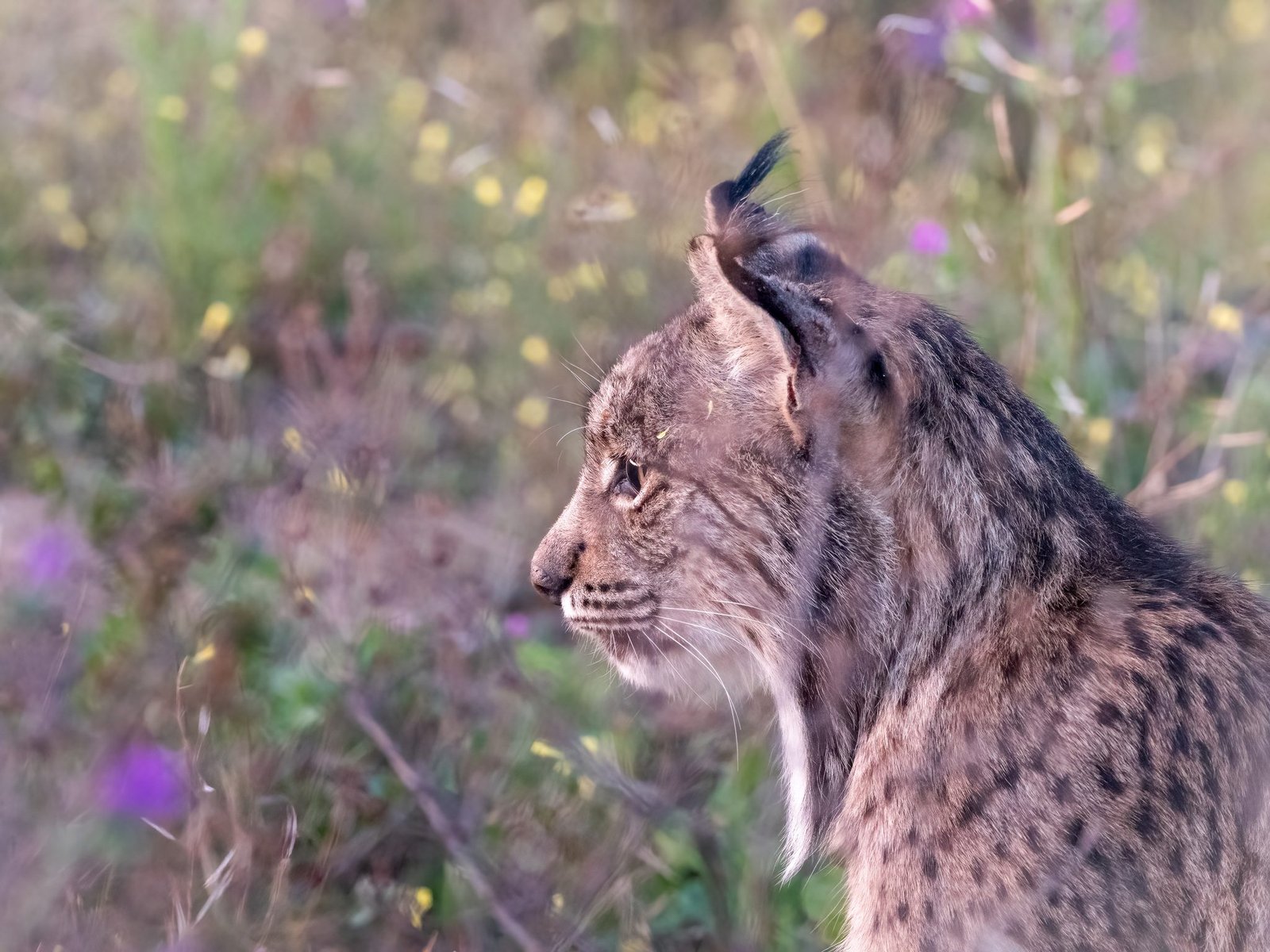
Iberian Lynx
Lynx pardinusConservation can work without the work being finished.
Sand Cat
Felis margaritaDesert specialists can be exceptionally difficult to monitor
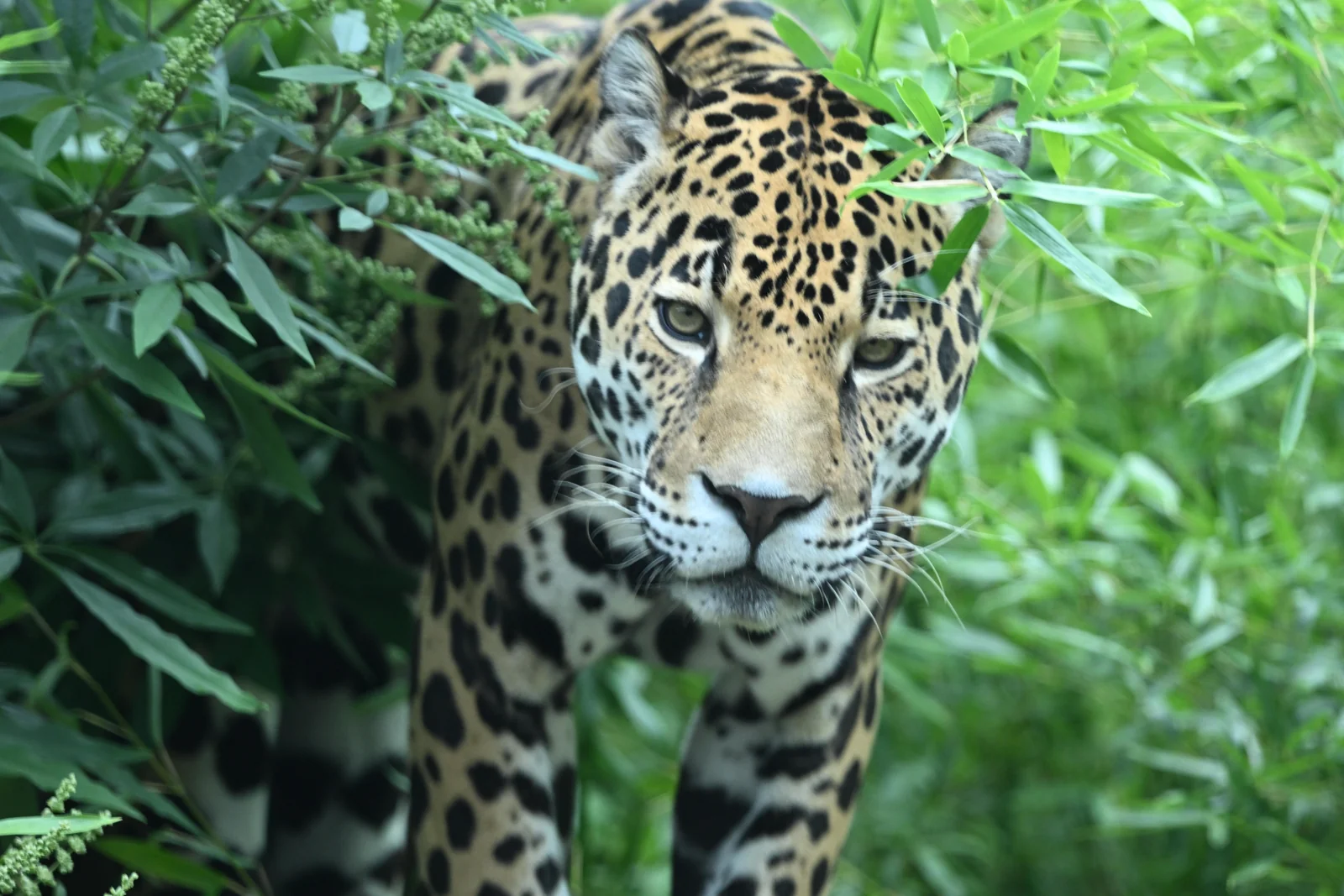
Jaguar
Panthera oncaConnectivity matters across enormous landscapes
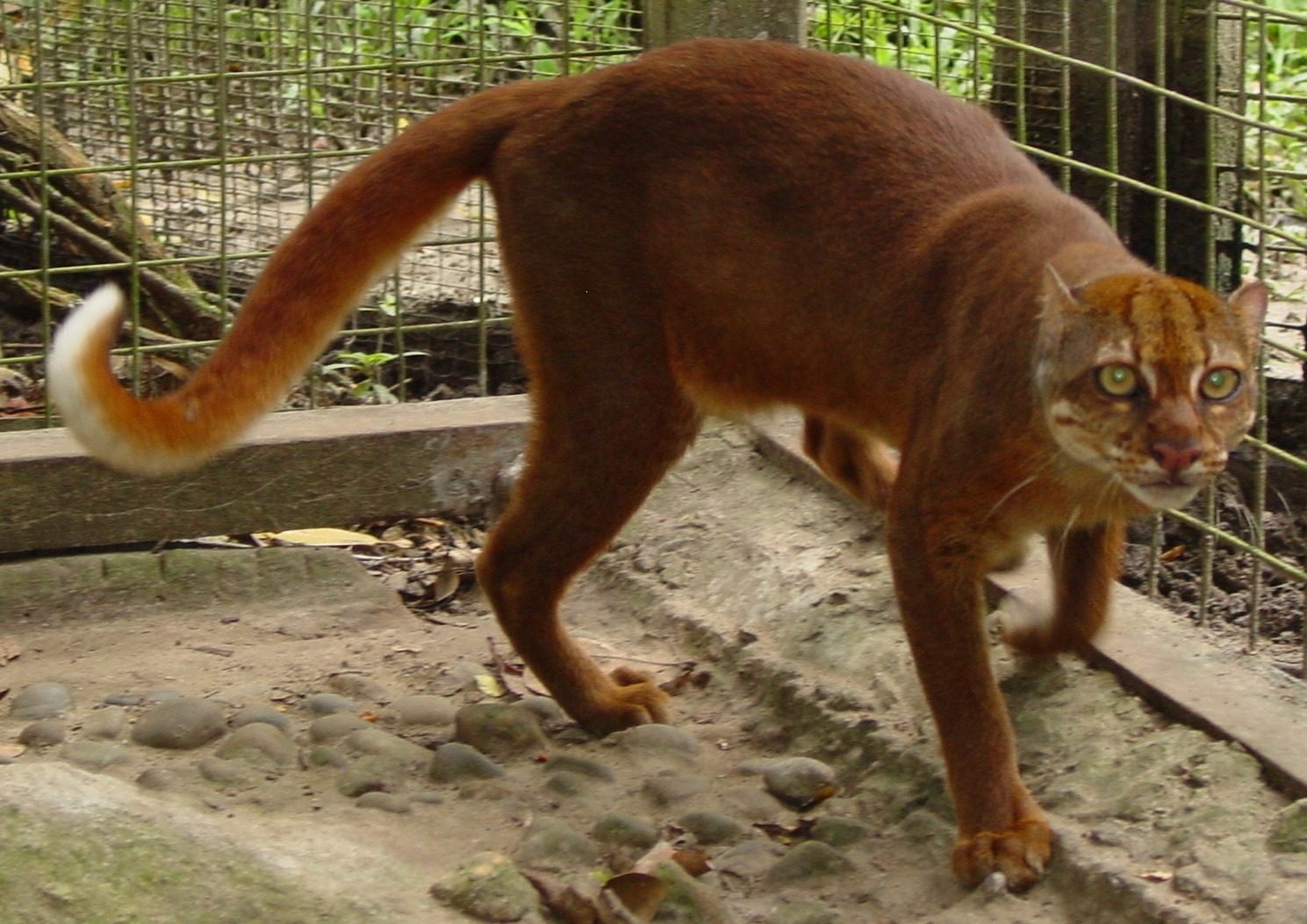
Jim Sanderson · crop by Abujoy · CC BY-SA 3.0
Bornean Bay Cat
Catopuma badiaLack of basic information is itself a conservation problem.
Pallas’s Cat
Otocolobus manulLower extinction risk does not mean ecological recovery
JJ Harrison · CC BY-SA 3.0
Sunda Leopard Cat
Prionailurus javanensisTaxonomy can move faster than conservation assessment
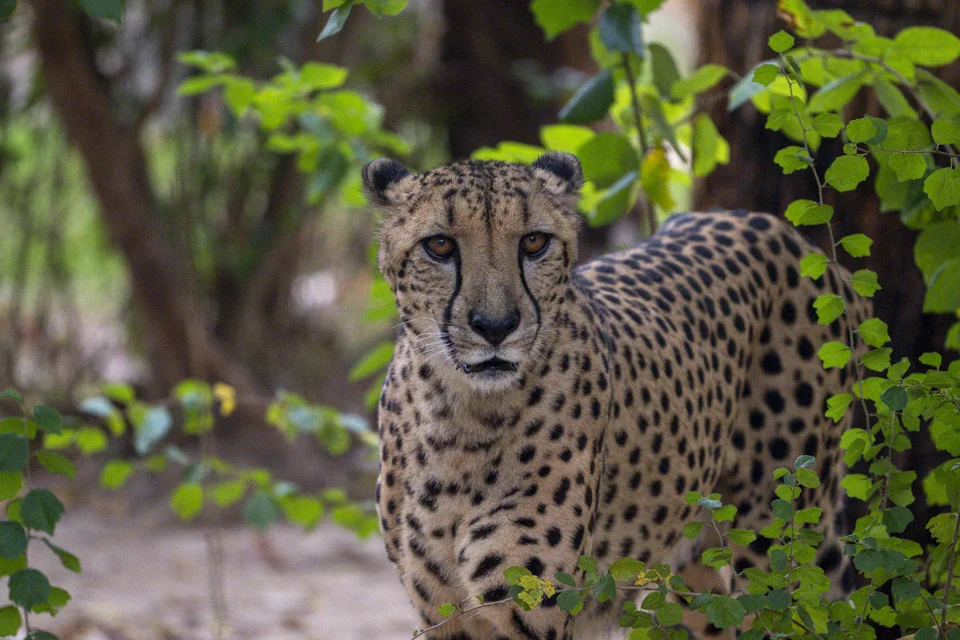
Cheetah
Acinonyx jubatusA global estimate can conceal severe fragmentation.
Mauro Tammone · CC BY 3.0
Kodkod
Leopardus guignaSurvey design changes what scientists detect
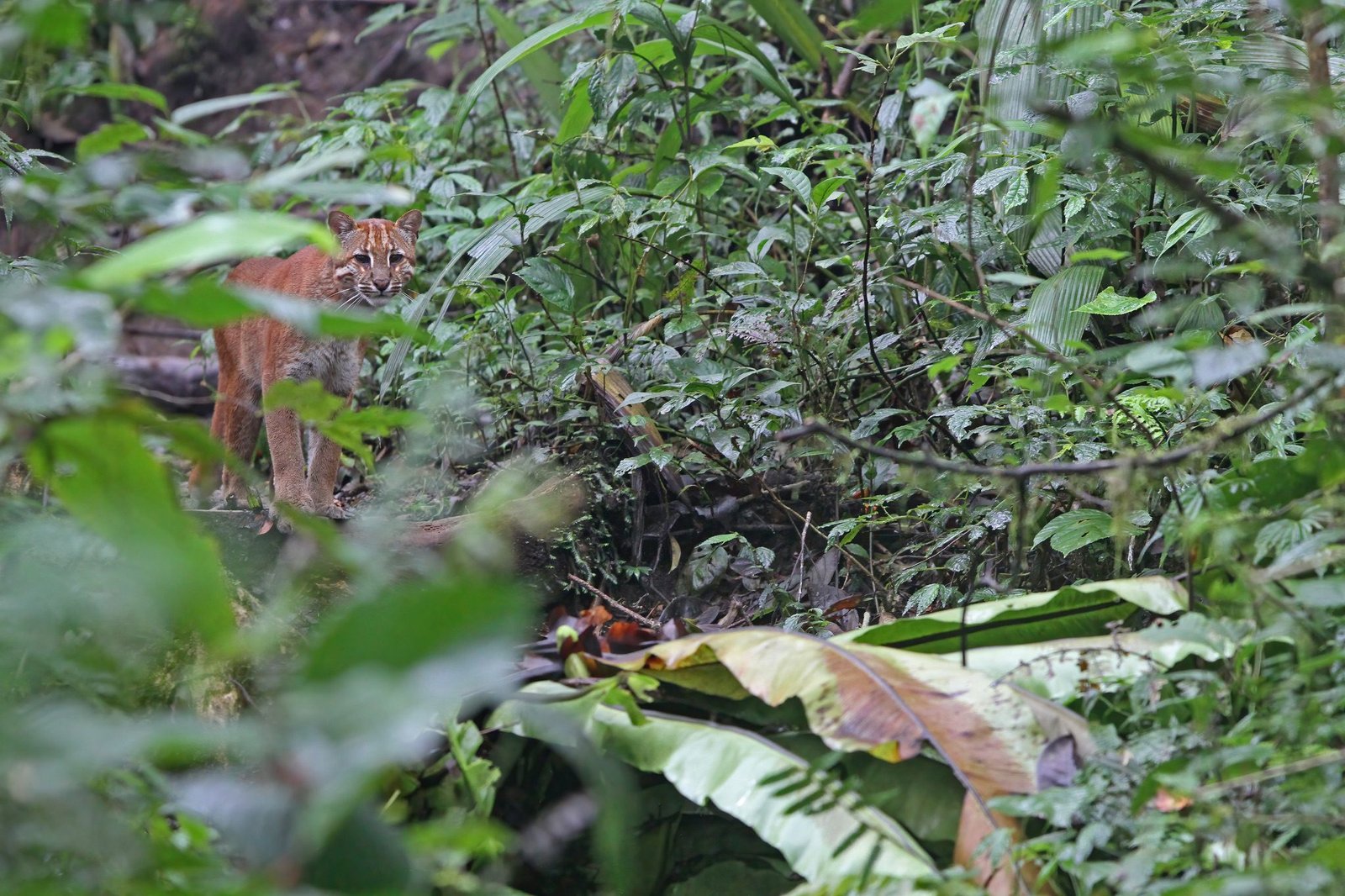
James Eaton · CC0 1.0
Asian Golden Cat
Catopuma temminckiiDramatic color variation can exist within one species
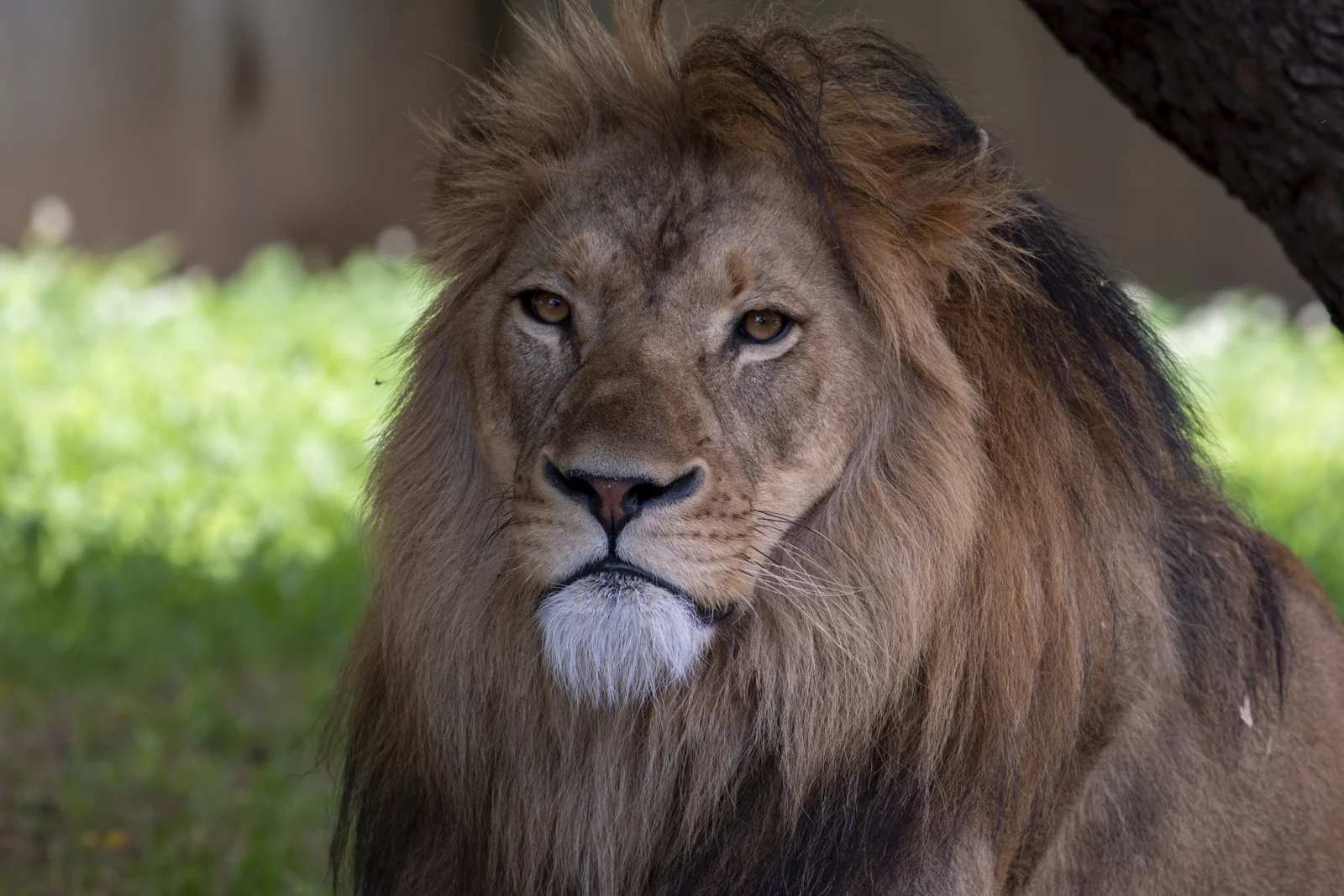
Lion
Panthera leoFame can conceal enormous historical depletion
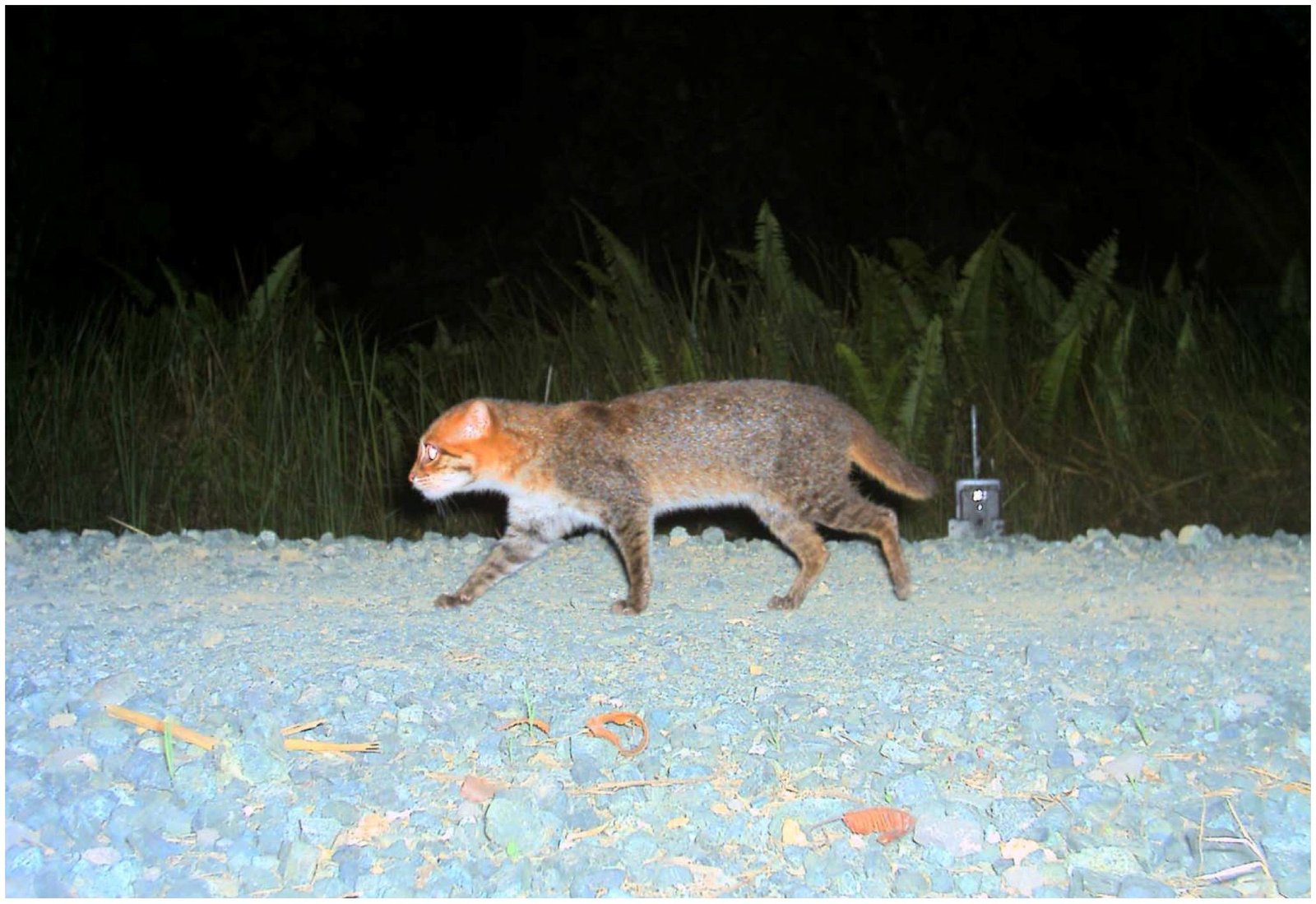
Andreas Wilting et al. · CC BY-SA 2.5
Flat-headed Cat
Prionailurus planicepsExtreme specialization leaves fewer alternatives when habitat disappears
Clément Bardot · CC BY-SA 3.0
Margay
Leopardus wiediiArboreal behavior changes how a species must be studied
Canada Lynx
Lynx canadensisPopulation decline can be part of a natural cycle
Tiger
Panthera tigrisRecovery happens population by population
David V. Raju · CC BY-SA 4.0
Rusty-spotted Cat
Prionailurus rubiginosusA new detection is not evidence of population growth
Shaun Swanepoel · CC BY 4.0
Caracal
Caracal caracalAdaptability to habitat does not mean adaptability to every threat
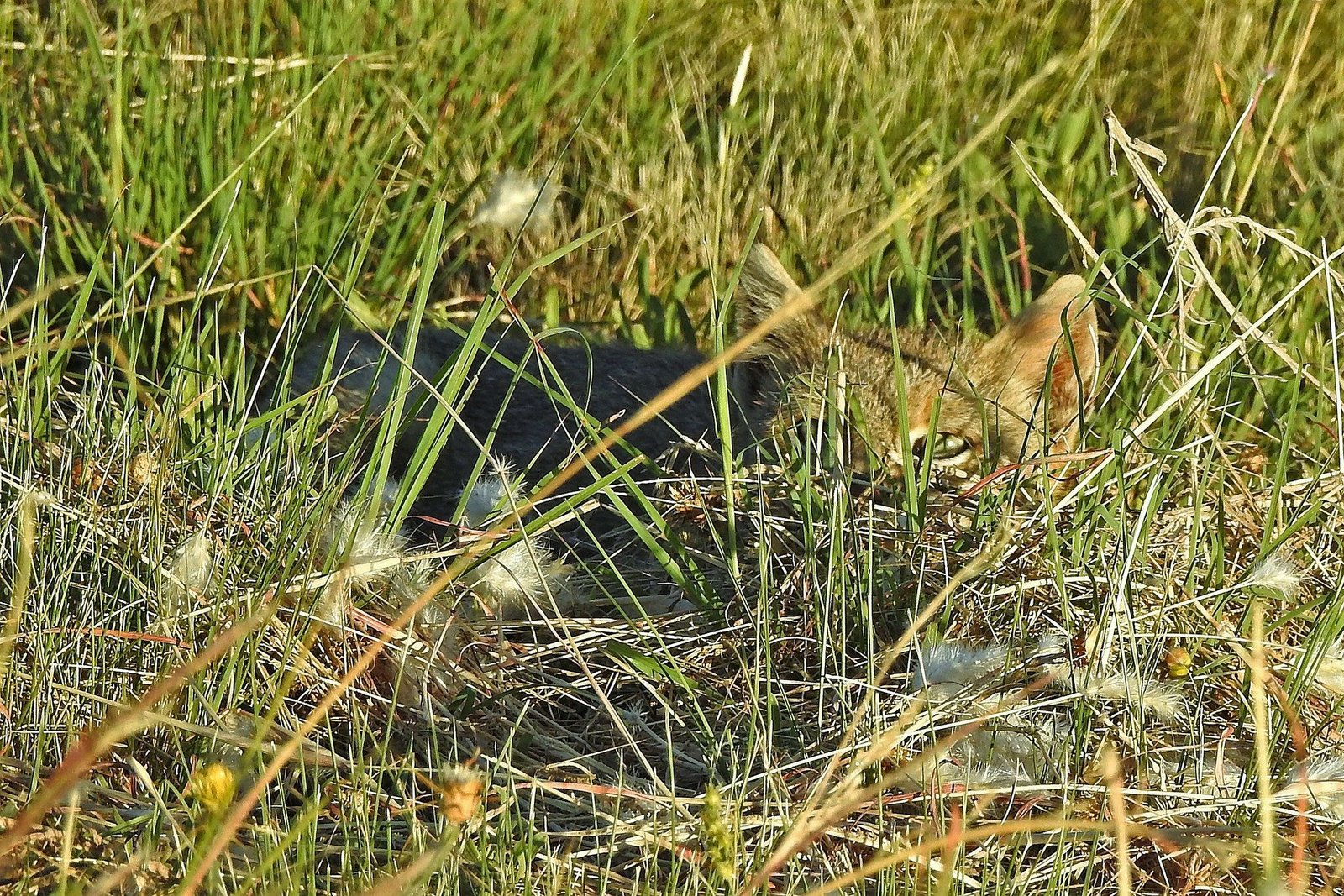
Hugo Hulsberg · CC0 1.0
About this image
The photo source identifies this animal as Southern Pampas Cat (Leopardus pajeros). Some classifications recognise it as a separate species; others group it with other pampas cats. This page follows the grouped classification.
Pampas Cat
Leopardus colocolaSpecies definition can change the conservation unit
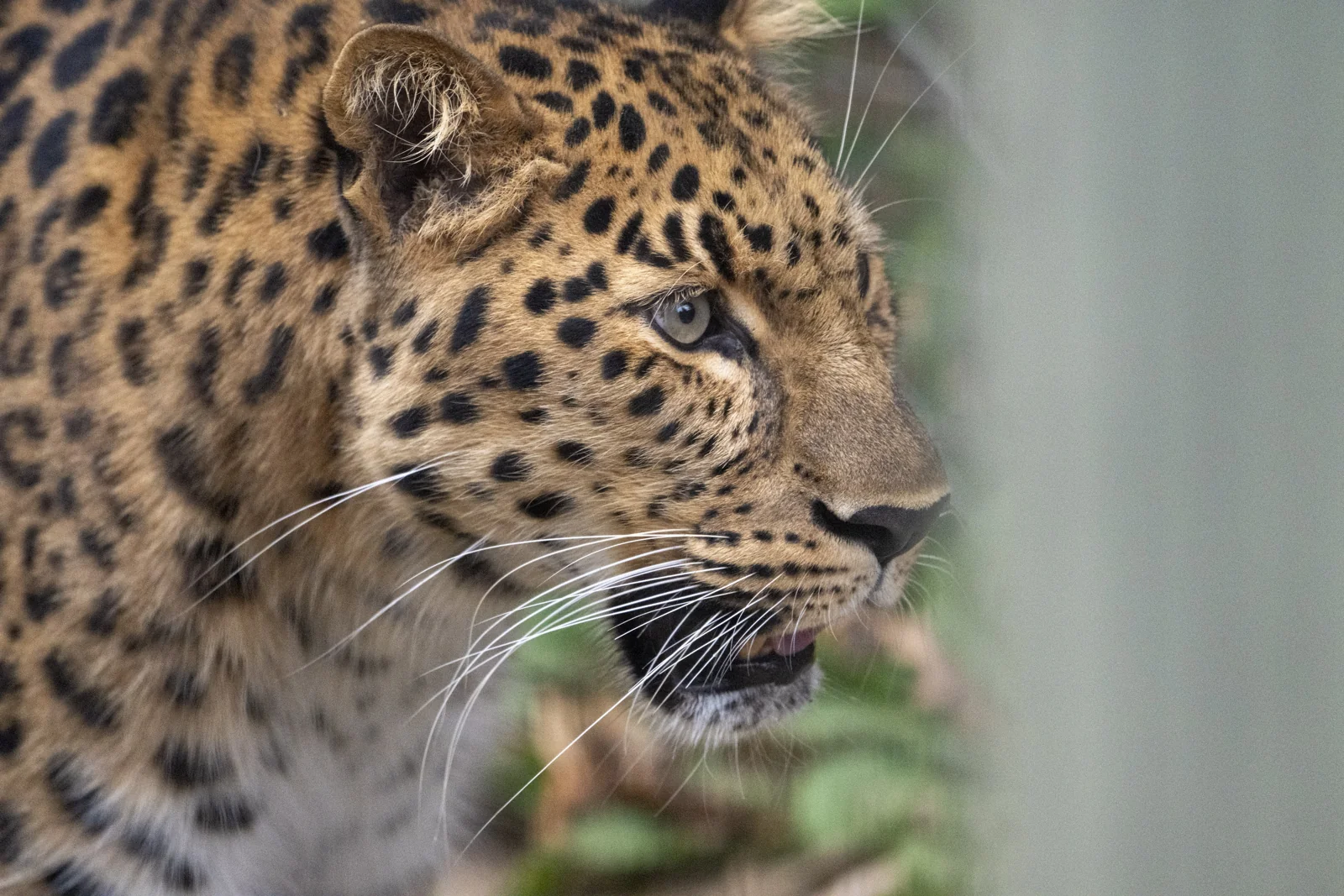
Leopard
Panthera pardusBroad adaptability has limits
Serval
Leptailurus servalResearch aimed at other species can reveal overlooked cats
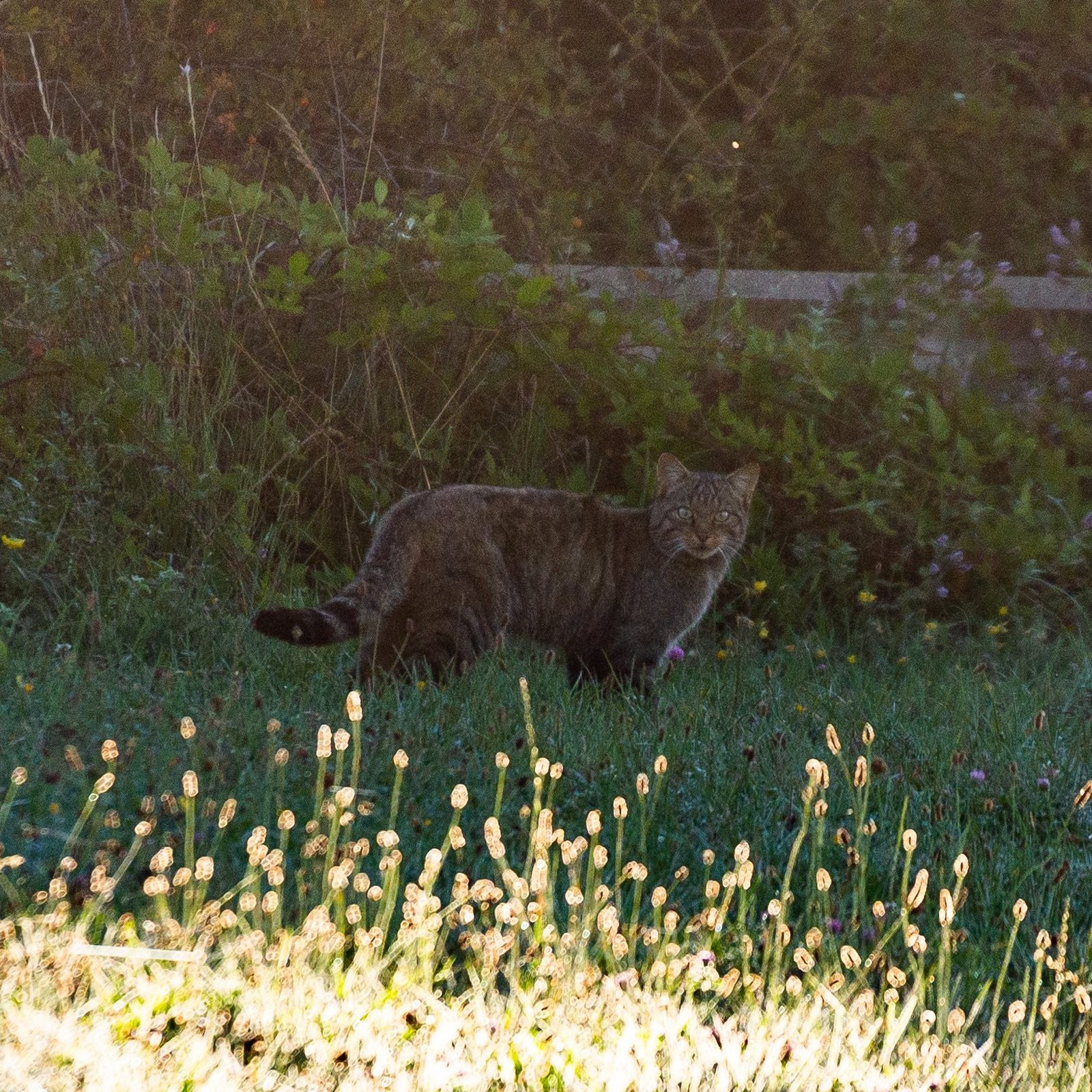


European Wildcat
Felis silvestrisConservation can mean preserving genetic identity
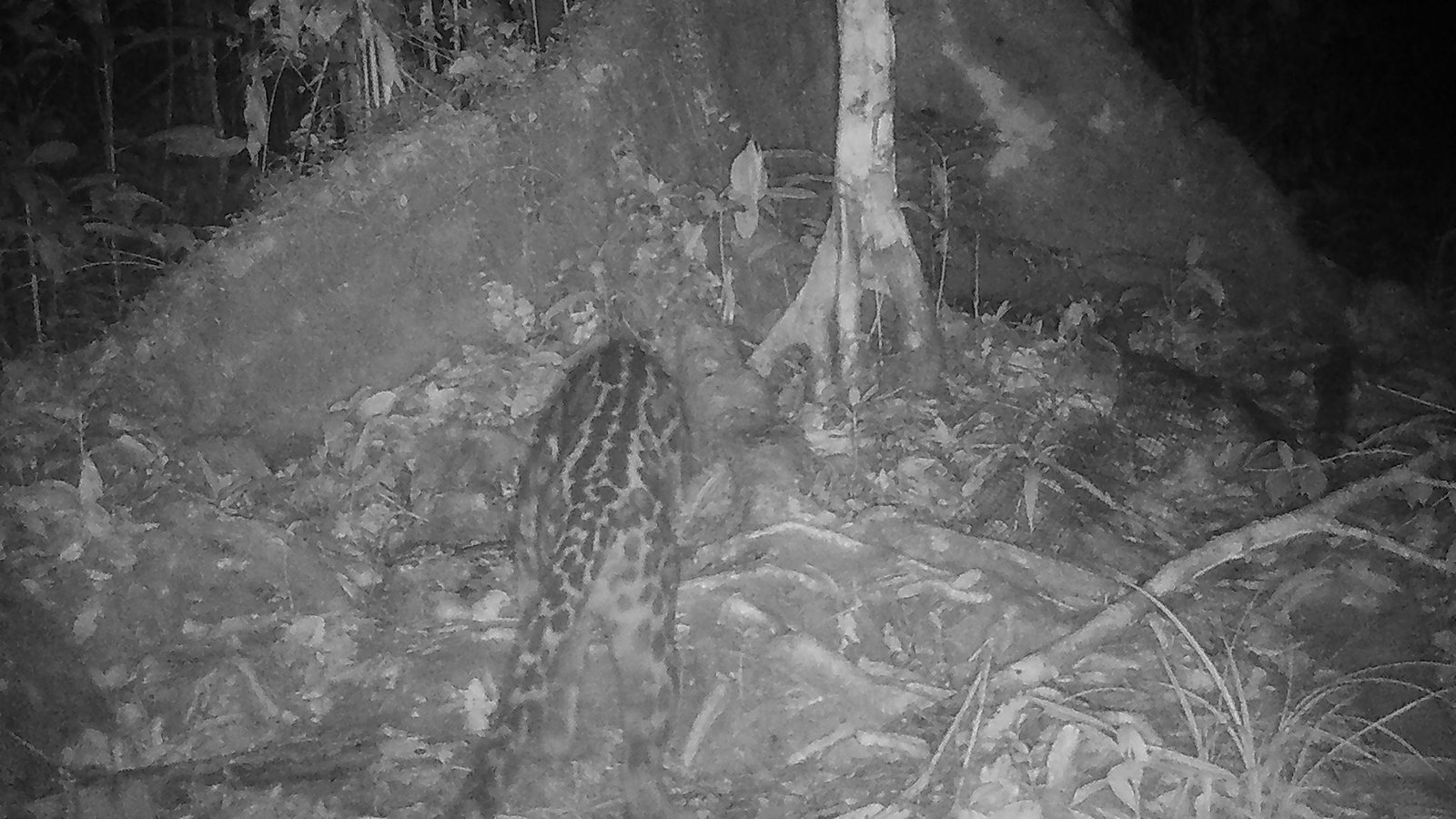
Justin Philbois · CC0 1.0
Sunda Clouded Leopard
Neofelis diardiSimilar appearance/ecology can hide deep evolutionary separation
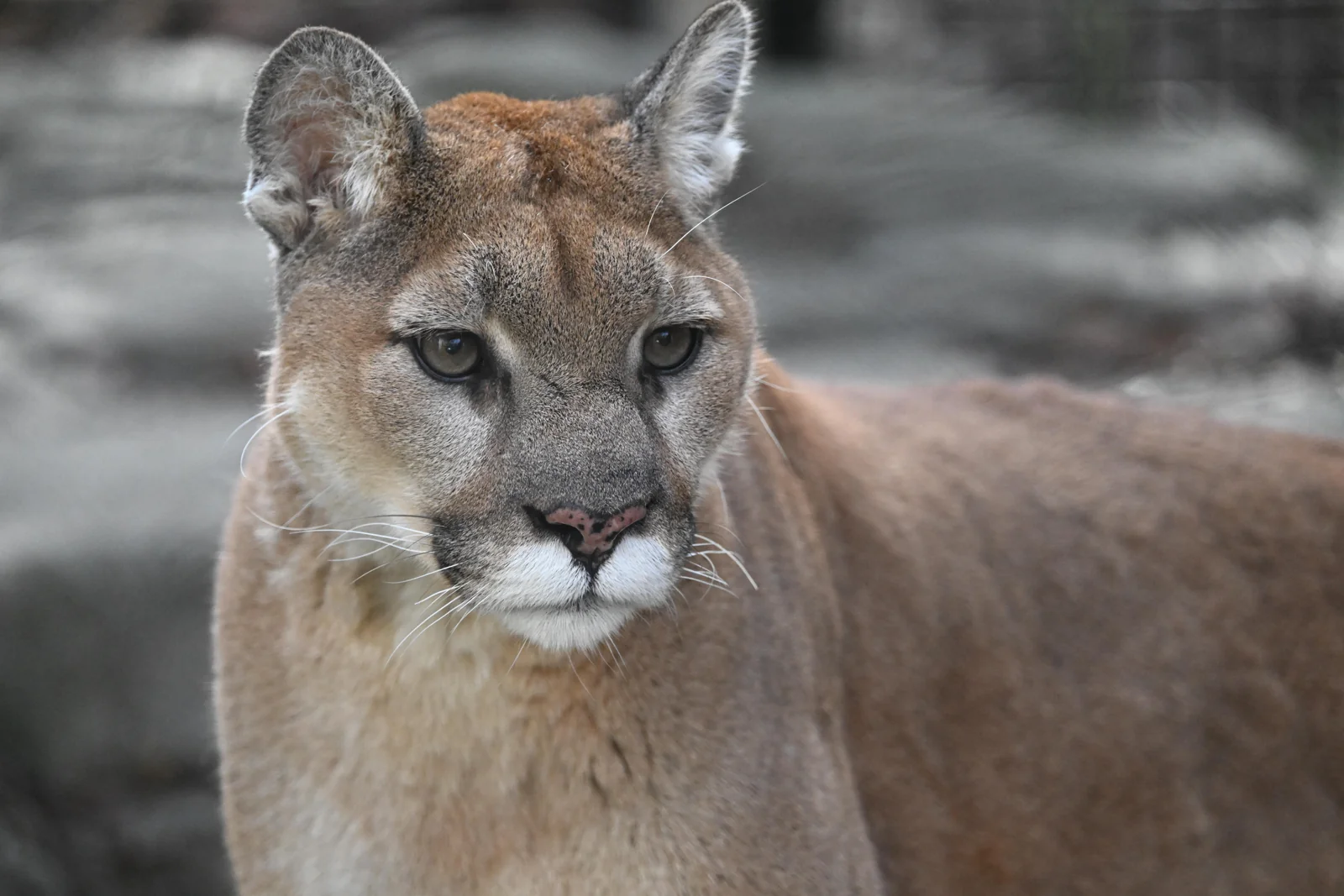
Puma
Puma concolorContinental distribution still depends on connectivity
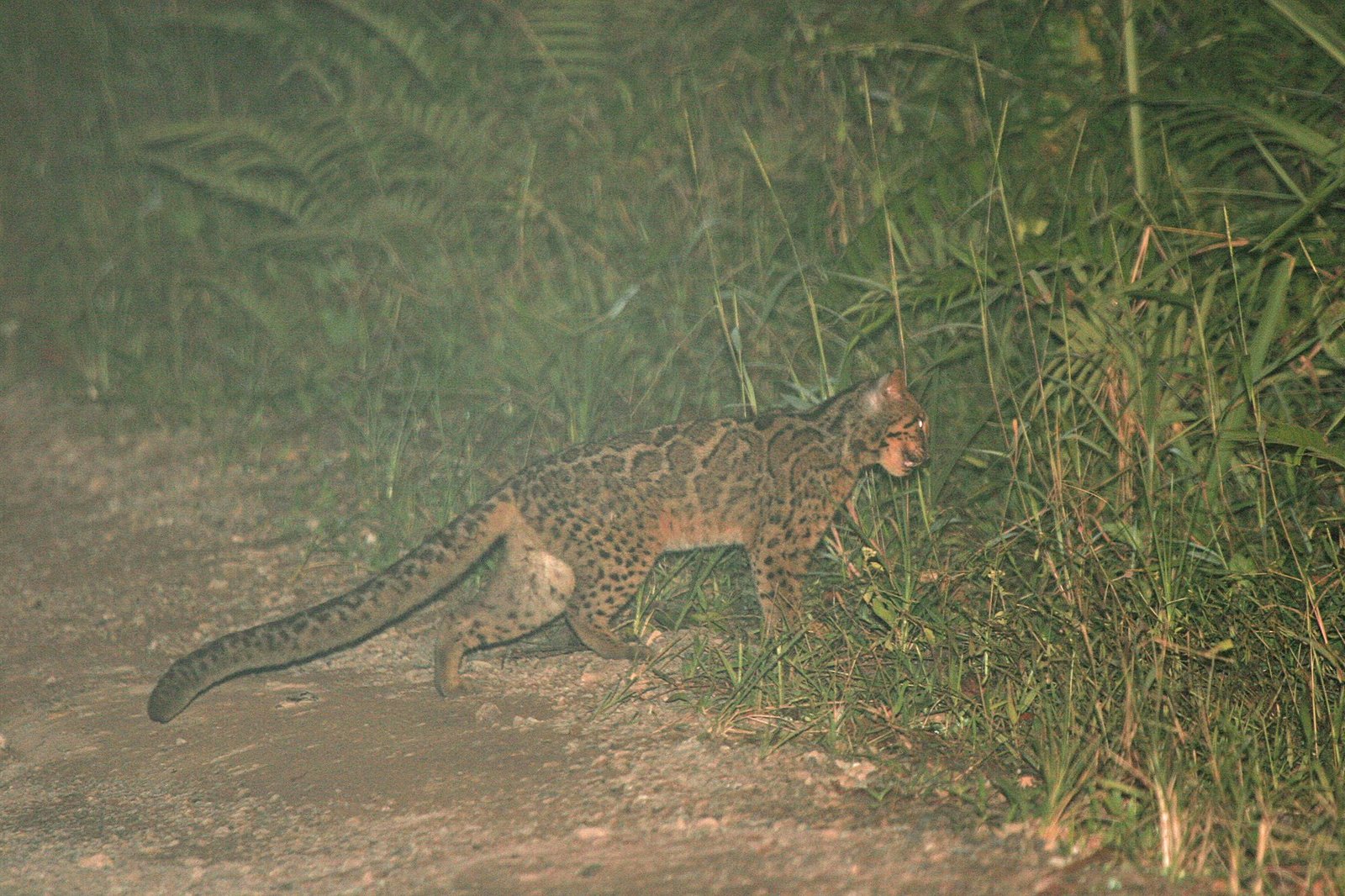
James Eaton · CC0 1.0

Marbled Cat
Pardofelis marmorataLow detection requires careful interpretation
Black-footed Cat
Felis nigripesSmall body does not mean small ecological demands
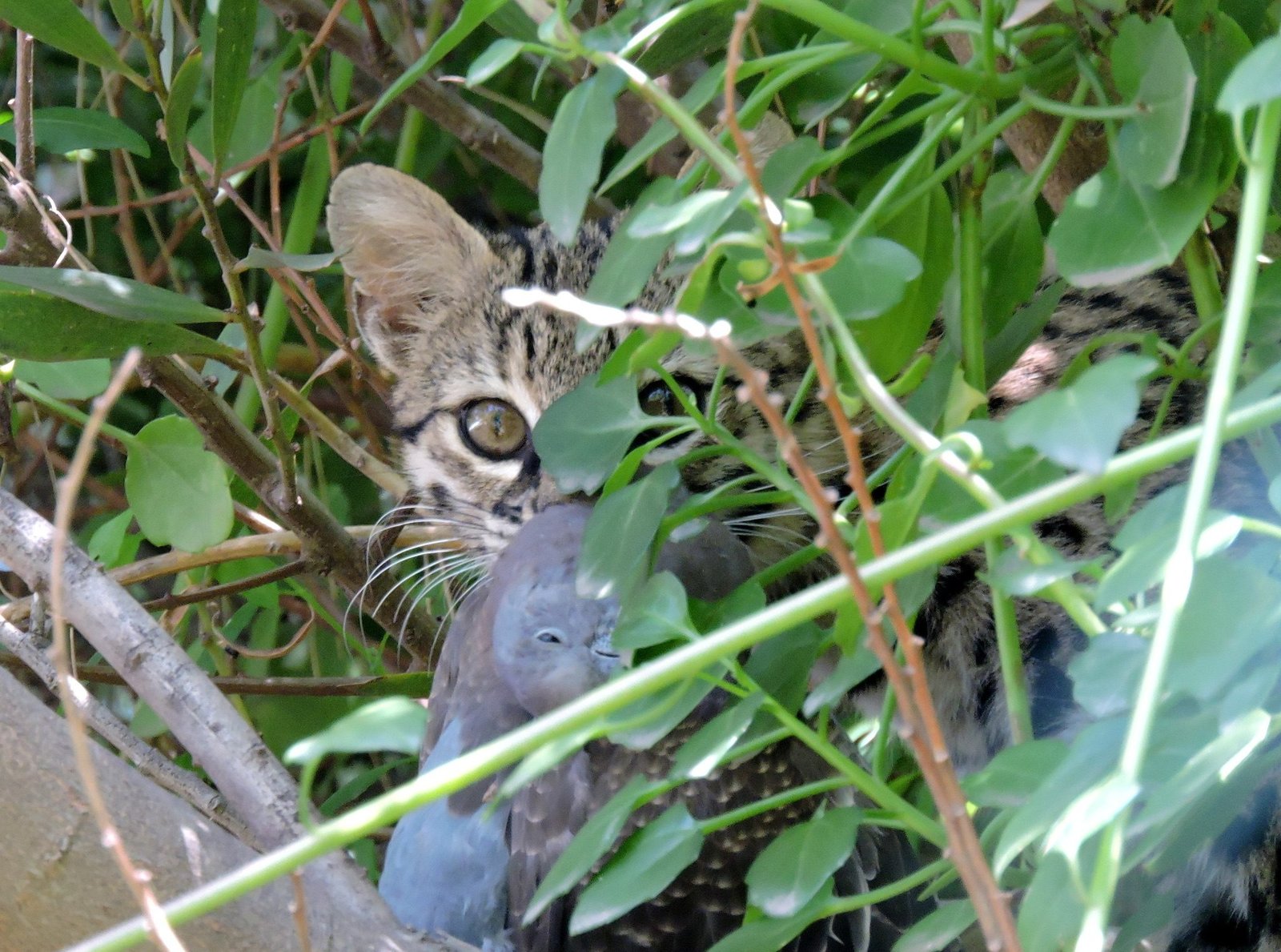
Diego Hernan Perez · CC BY 4.0

Geoffroy’s Cat
Leopardus geoffroyiThreats change through time
tigrinus
A name needs evidence.
The inherited zoo photograph is withheld until its identity can be matched to the narrower taxon.Northern Tiger Cat
Leopardus tigrinusTaxonomic splitting can clarify ecology and conservation.
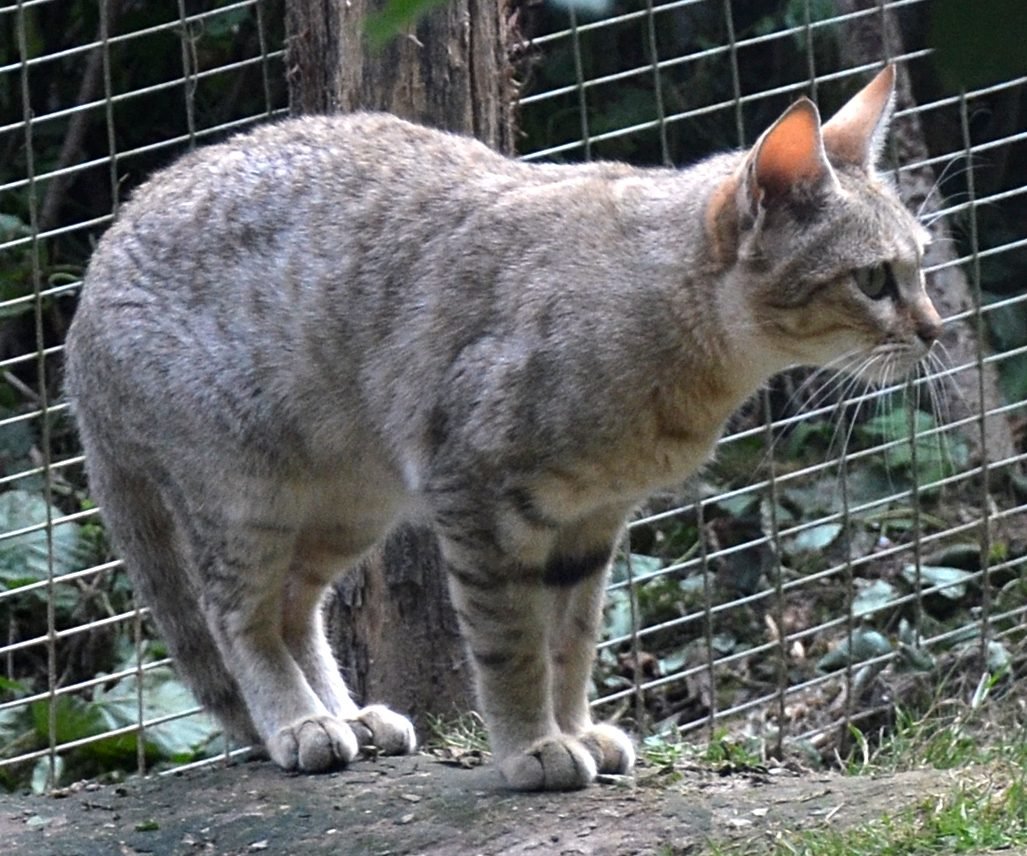
Vassil · CC0 1.0

About this image
The photo source calls this animal Gordon’s wildcat (Felis silvestris gordoni), a regional name associated with Arabian wildcats. It appears here under Afro-Asiatic Wildcat (Felis lybica). The source’s original name is retained for identification records.
Afro-Asiatic Wildcat
Felis lybicaThe wild ancestor of the domestic cat now faces genetic pressure from its descendant
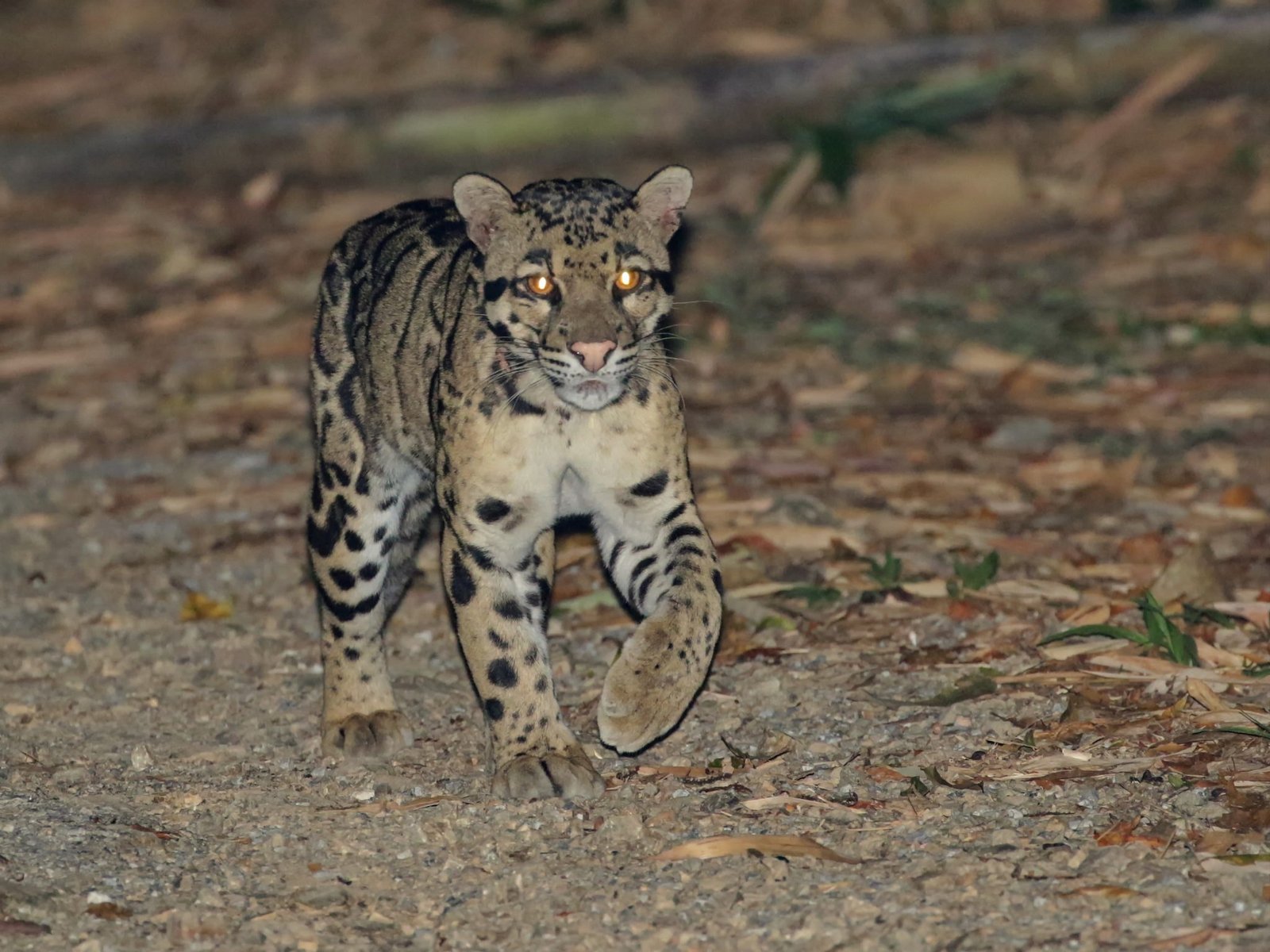
Ian Dugdale · CC BY 4.0
Clouded Leopard
Neofelis nebulosaForest habitat is three-dimensional
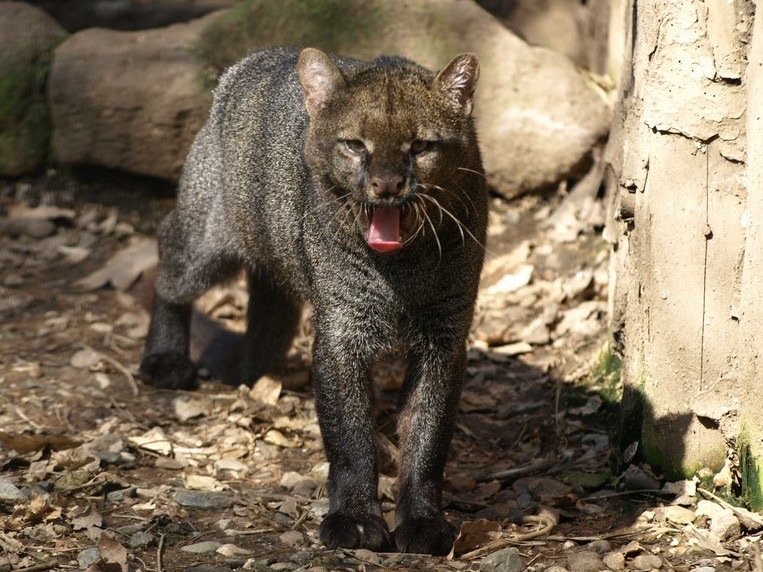
Alena Houšková · CC BY-SA 3.0

Jaguarundi
Herpailurus yagouaroundiRecognizing an animal is not the same as being able to count it
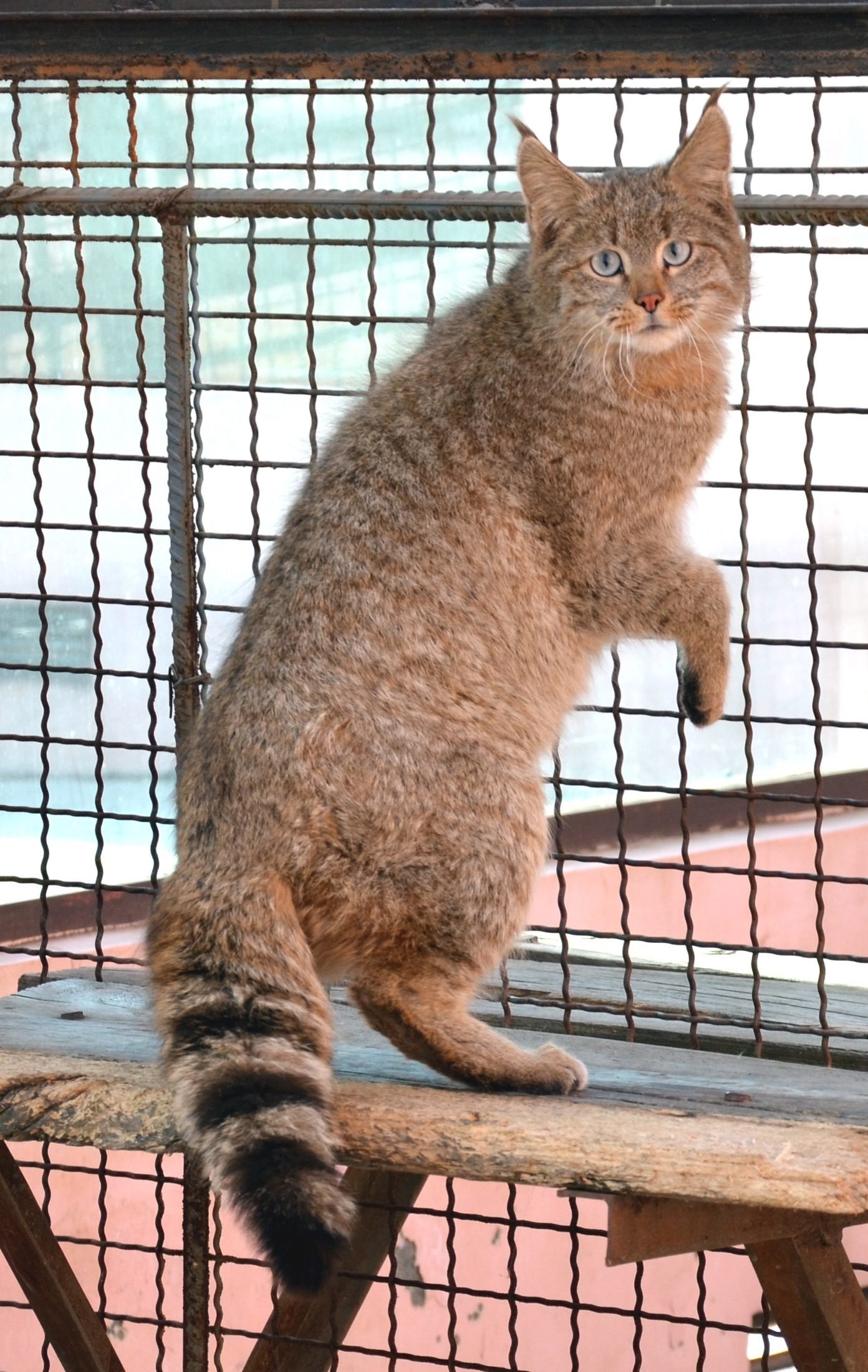
西宁野生动物园 (Xining Wildlife Park) · CC BY-SA 3.0
_in_XiNing_Wild_Zoo.jpg)
Chinese Mountain Cat
Felis bietiGenomics can challenge where we draw species boundaries
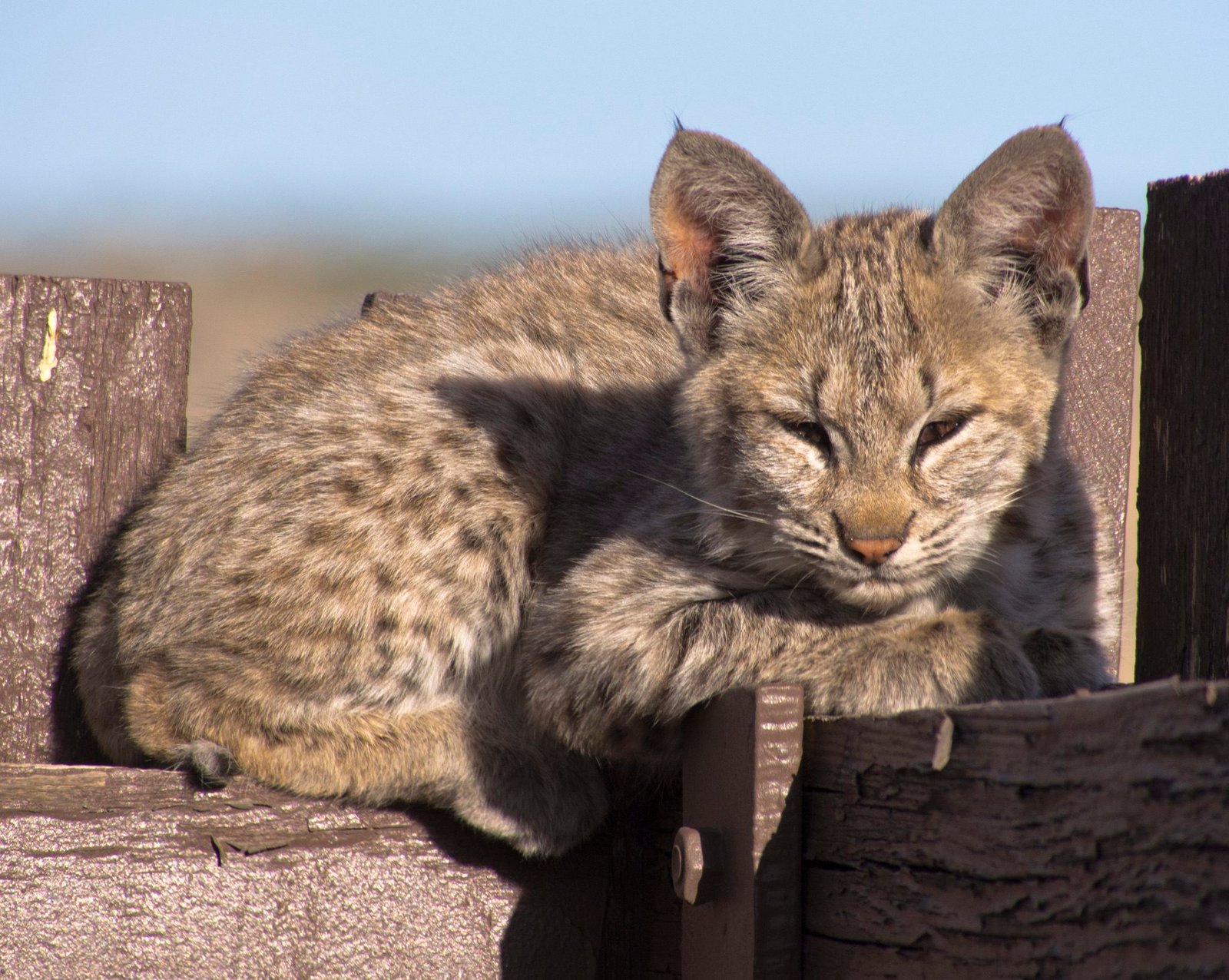
Robbie Hannawacker · CC0 1.0
Bobcat
Lynx rufusAdaptability does not equal invulnerability
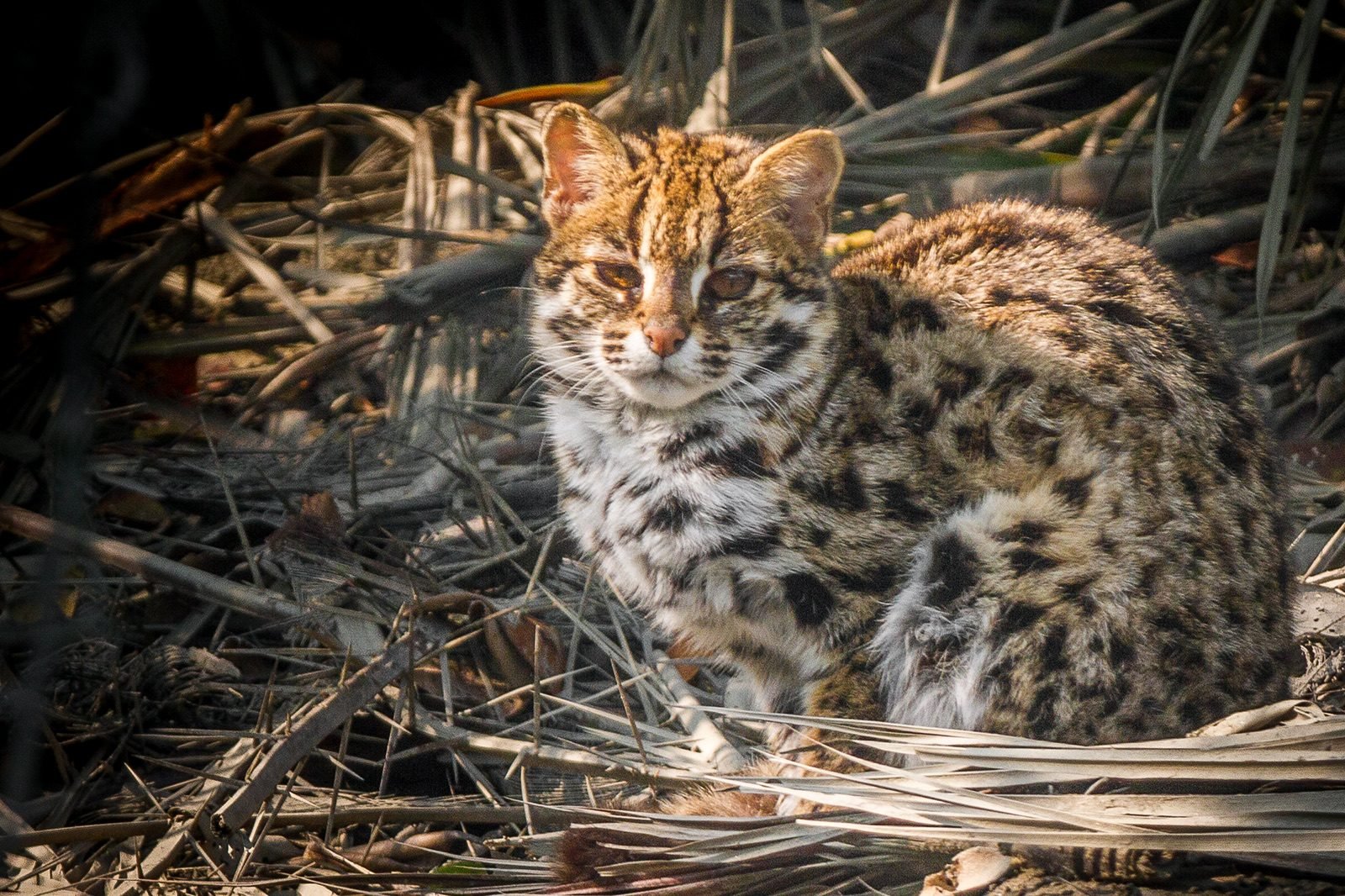
Soumyajit Nandy · CC BY-SA 4.0

Leopard Cat
Prionailurus bengalensisHuman-modified habitat can still function as wildlife habitat
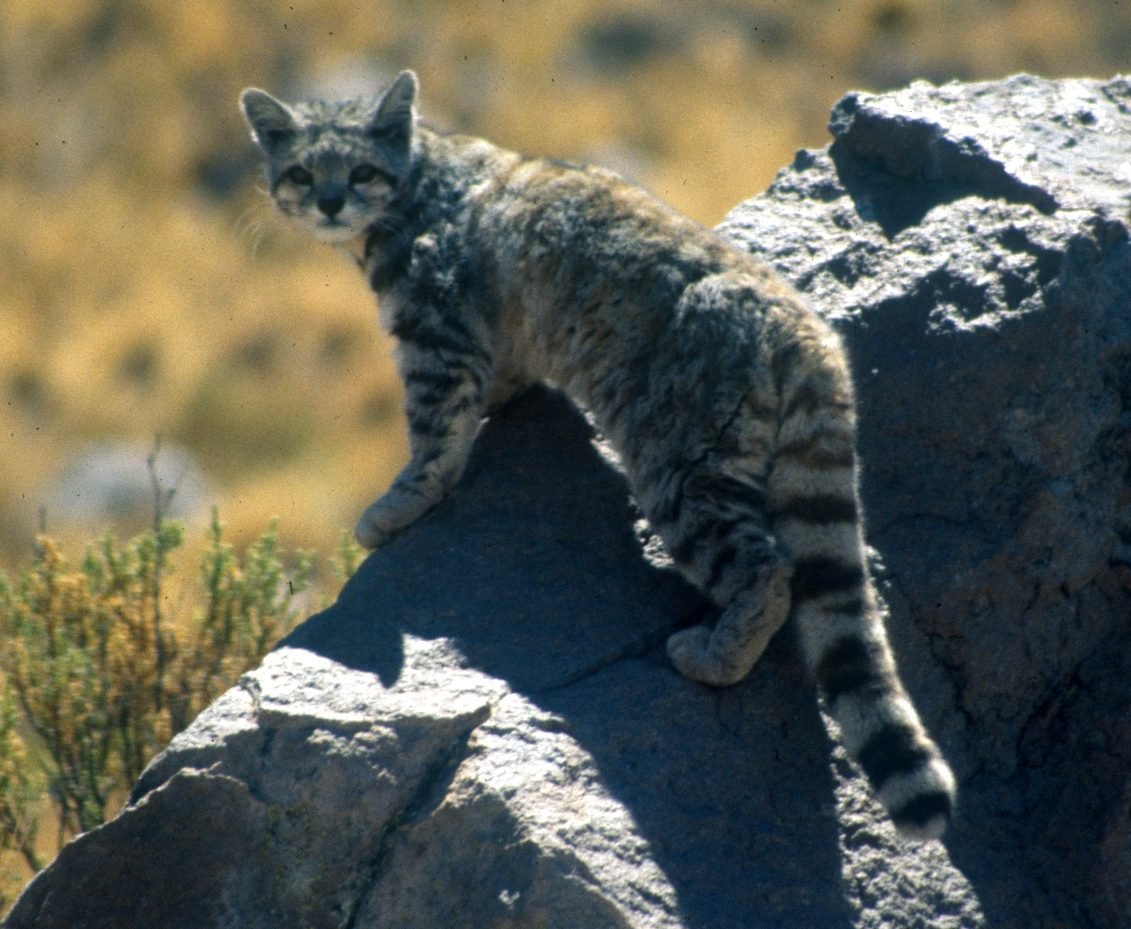
Jim Sanderson · CC BY-SA 3.0

Andean Mountain Cat
Leopardus jacobitaRare does not mean scientifically invisible
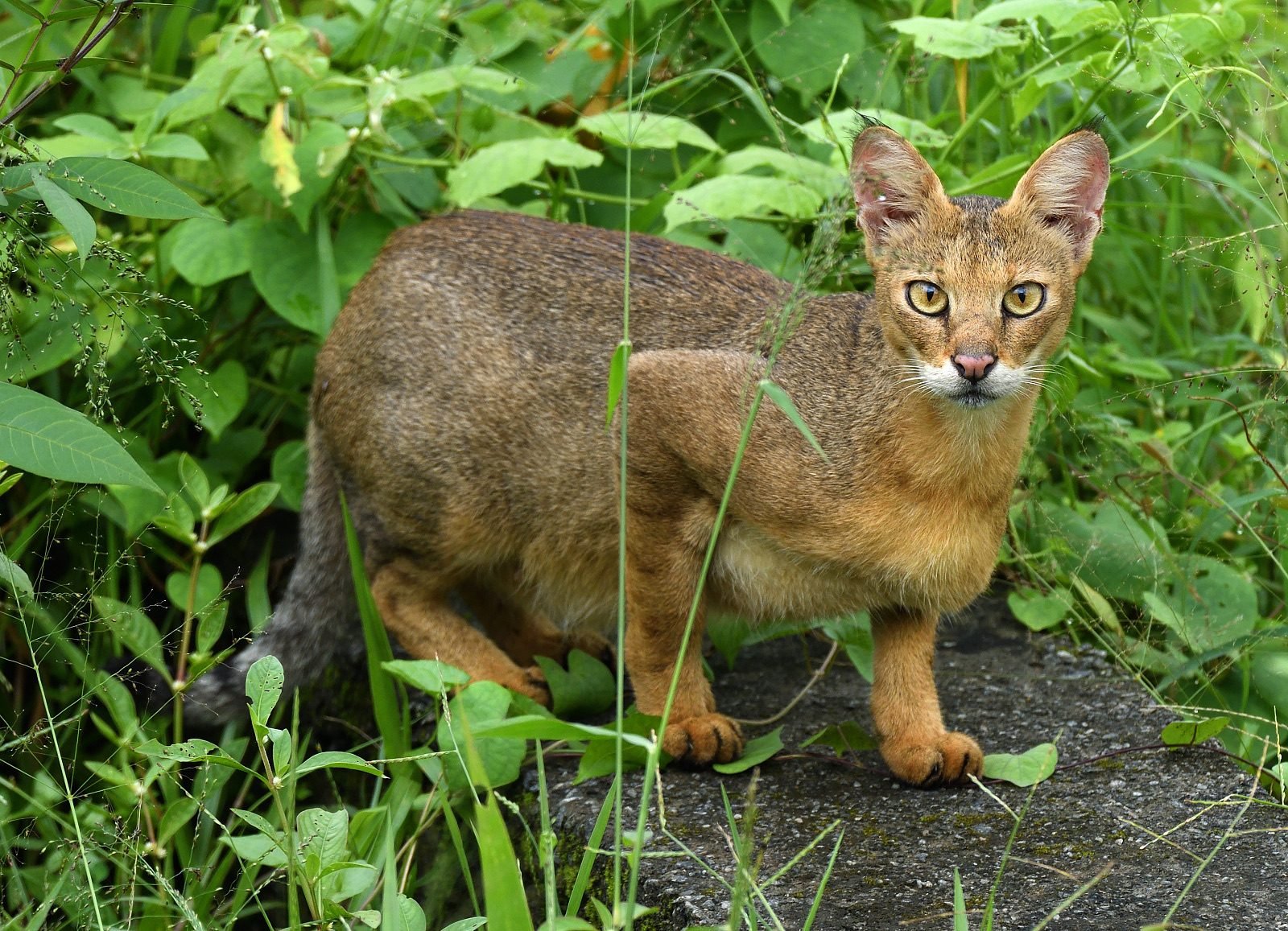
sunnyjosef · CC BY 4.0
Jungle Cat
Felis chausCommon names can badly misrepresent ecology
Emily Turteltaub Nelson · CC BY 4.0
Ocelot
Leopardus pardalisGlobal security can conceal a severe local crisis
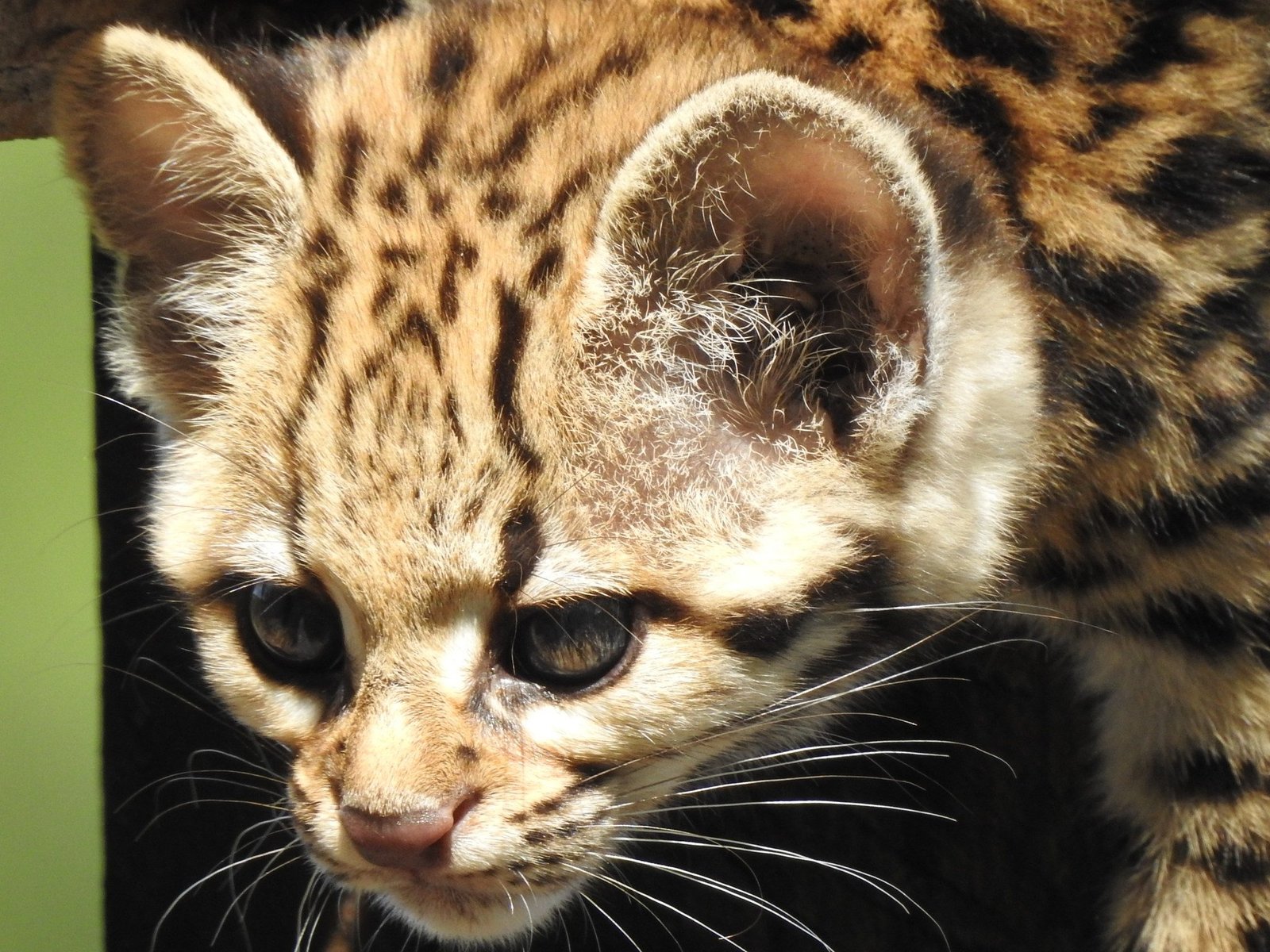
K. Musálem · CC BY-SA 4.0
Southern Tiger Cat
Leopardus guttulusNatural hybridization does not automatically erase species identity
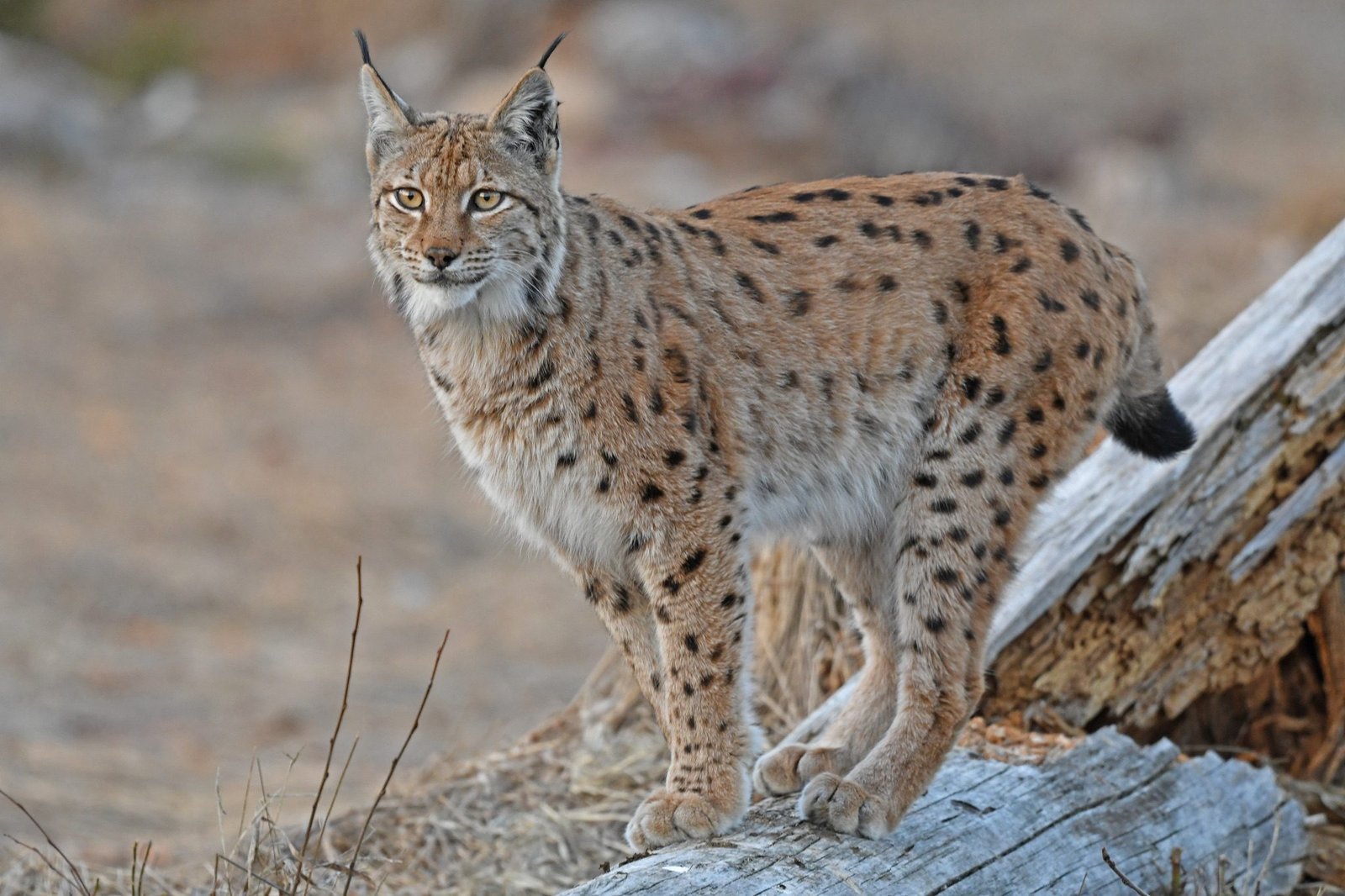
Julia Moning · CC BY 4.0
Eurasian Lynx
Lynx lynxReturn does not automatically mean recovery
No species match. Clear your filters or try another name.
Keep the questions open.
Why 40?
A stable public framework can coexist with changing scientific treatments.
Read the explanationTaxonomy Watch
Clouded Tiger Cat (Leopardus pardinoides) is tracked separately as ZEW-001, Taxonomy Watch. It is outside the public 40 and never a forty-first discovery tile.
Clouded Tiger CatHow do we know?
Camera traps · Who passes here?
A detection establishes presence at a place and time. Counting animals requires additional design and analysis.
Genetics · How are populations related?
Genetic evidence can test relationships that appearance alone cannot establish.
Tracking · Where does an animal move?
Tracking follows particular animals. Their movements do not automatically represent every individual.
Field monitoring · What changes?
Repeated records become more informative when location, method and survey effort remain interpretable.
How many are left?
Count, estimate and unknown are different kinds of evidence. Keep age, place, time and method with every number.
Learn to read the labelsForgotten does not mean Endangered
Zoo-EV’s awareness groups are not extinction-risk categories. An overlooked cat can have a different risk profile from a famous one.
Understand the Red ListLearning their names
is a start.
Follow curiosity into understanding, and understanding into thoughtful action.
Our Mission Six cats in NayaritStay close to the wild.
Follow the monthly stories or explore the Zoo-EV Store after your journey through the cats.
Cats of the Month Store information