
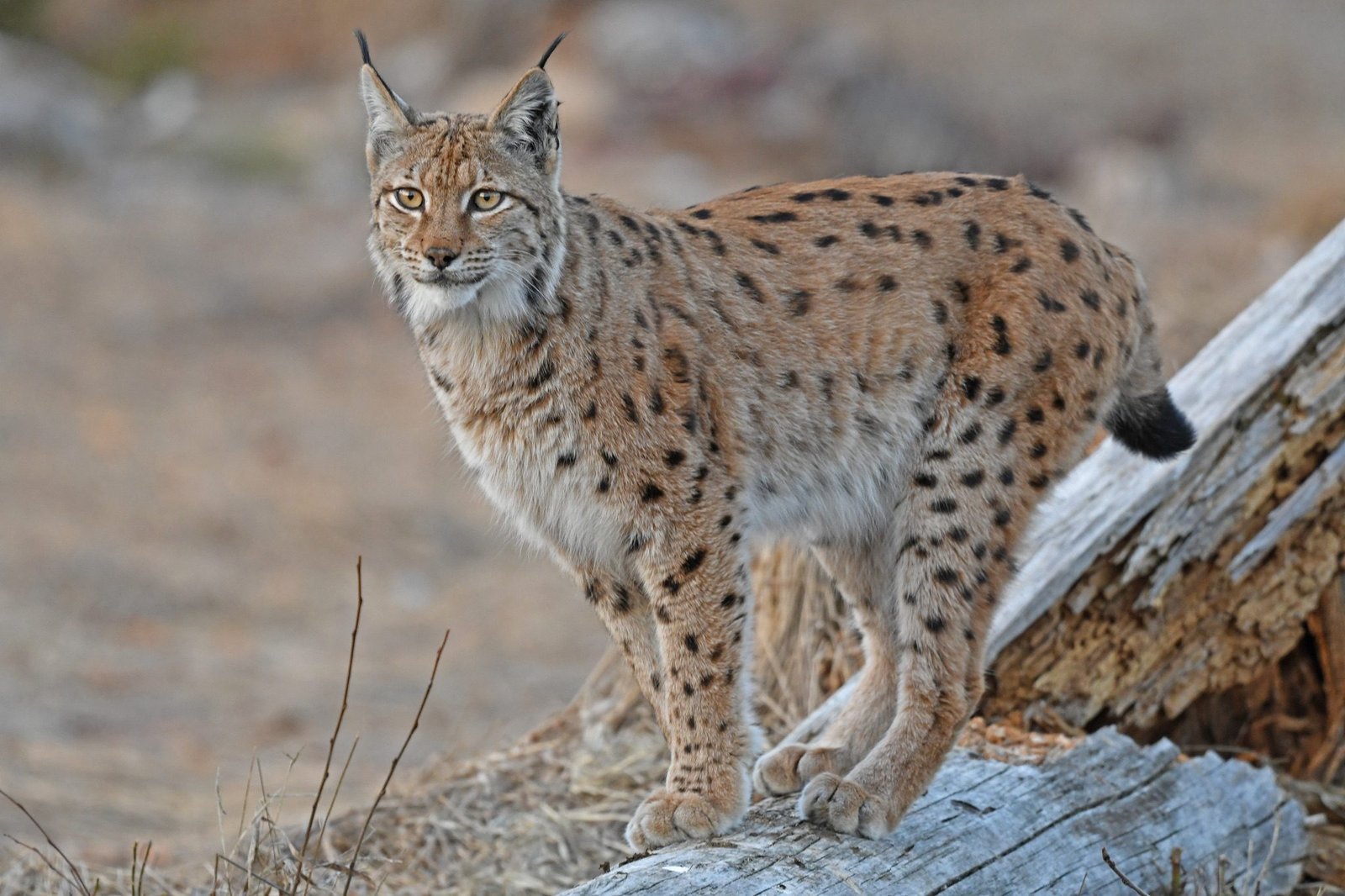
Julia Moning · CC BY 4.0
Return is a beginning.
A lynx returning to a landscape is meaningful. Lasting recovery asks more: can populations persist, reproduce and connect over time?
Return does not automatically mean recovery
Conceptual comparison, not measured data.Its world.
Its conservation.
Build genetic connections
Habitat corridors, carefully planned reinforcement, and shared monitoring can prevent small reintroduced groups from becoming genetic islands.
Make coexistence practical
Livestock protection, rapid compensation, and participatory planning reduce pressure for illegal killing.
Study the Asian majority
Much of the species’ range lies in Russia and Asia, where distribution, trends, harvest, and conservation needs remain unevenly documented.
Julia Moning · CC BY 4.0
Keep the method
in the picture.
Repeated monitoring can distinguish an isolated return from a sustained, reproducing population.
What don’t we know?
Which restored populations remain isolated, and what enables their long-term persistence?
Geographic context
Europe & Asia.
This is geographic context, not a mapped distribution. Range polygons require taxon, date and reuse review before publication.
A different cat.
A different question.
Sources & Research Notes
Inherited research adapted to the locked editorial lesson; current assessment and independent scientific sign-off pending.
- IUCN SSC Cat Specialist Group · Eurasian lynx
- IUCN SSC Cat Specialist Group · Small Cat Report (2024; background report)
Assessment year and field-data period are different. A source check does not update an assessment.