A total cannot show the gaps
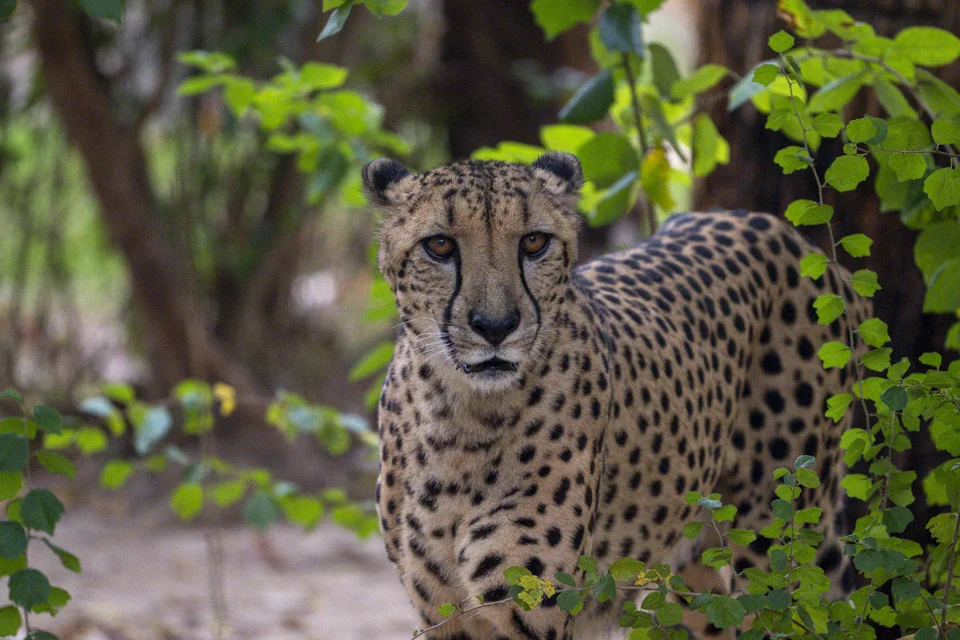
Adding populations together makes one number. It does not connect their landscapes. For the Cheetah, fragmentation means that local groups can face very different futures—even while they appear in the same global estimate.
Connected landscape
Isolated patches
Conceptual illustration. Circle counts and sizes do not represent cheetah populations or geographic range.Its world.
Its conservation.
Land between populations
Fragmentation can separate places that still support cheetahs.
Prey and coexistence
Prey loss and conflict with livestock keepers affect survival.
Beyond reserves
Conservation must account for extensive movement through unprotected land.
Meet Jaguarundi.
Recognizing an animal is not the same as being able to count it
Follow this Forgotten 33 story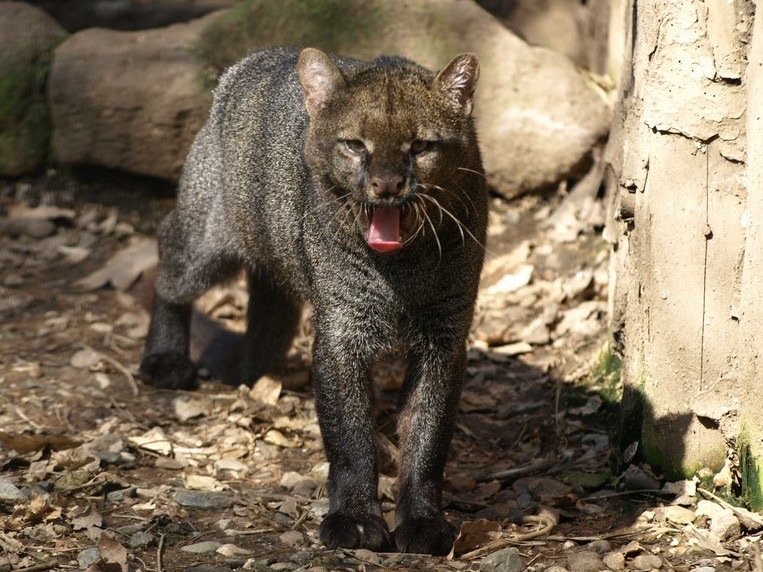
Alena Houšková · CC BY-SA 3.0

Keep the method
in the picture.
A global synthesis combines evidence from many populations. Estimates are not a simultaneous count of every animal; differences in coverage and methods remain important.
Why isn’t there one bold population number?
The specialist synthesis tentatively estimates 6,517 mature individuals across 33 subpopulations. The underlying study periods differ, and the profile does not supply a single field-data year. This preview keeps that number in its evidence context rather than presenting it as a current census.
What don’t we know?
How can isolated groups stay viable and landscapes remain connected? The global total alone does not reveal either answer.
Geographic context
Mainly Africa · a remnant native population in Iran.
This is geographic context, not a mapped distribution. Range polygons require taxon, date and reuse review before publication.
A different cat.
A different question.
Sources & Research Notes
Source check: 7 September 2026. Independent scientific sign-off remains pending.
Assessment year and field-data period are different. A source check does not update an assessment.