Recovery is a verb
The Iberian lynx returned from two surviving populations—but the work that made hope credible cannot simply stop.
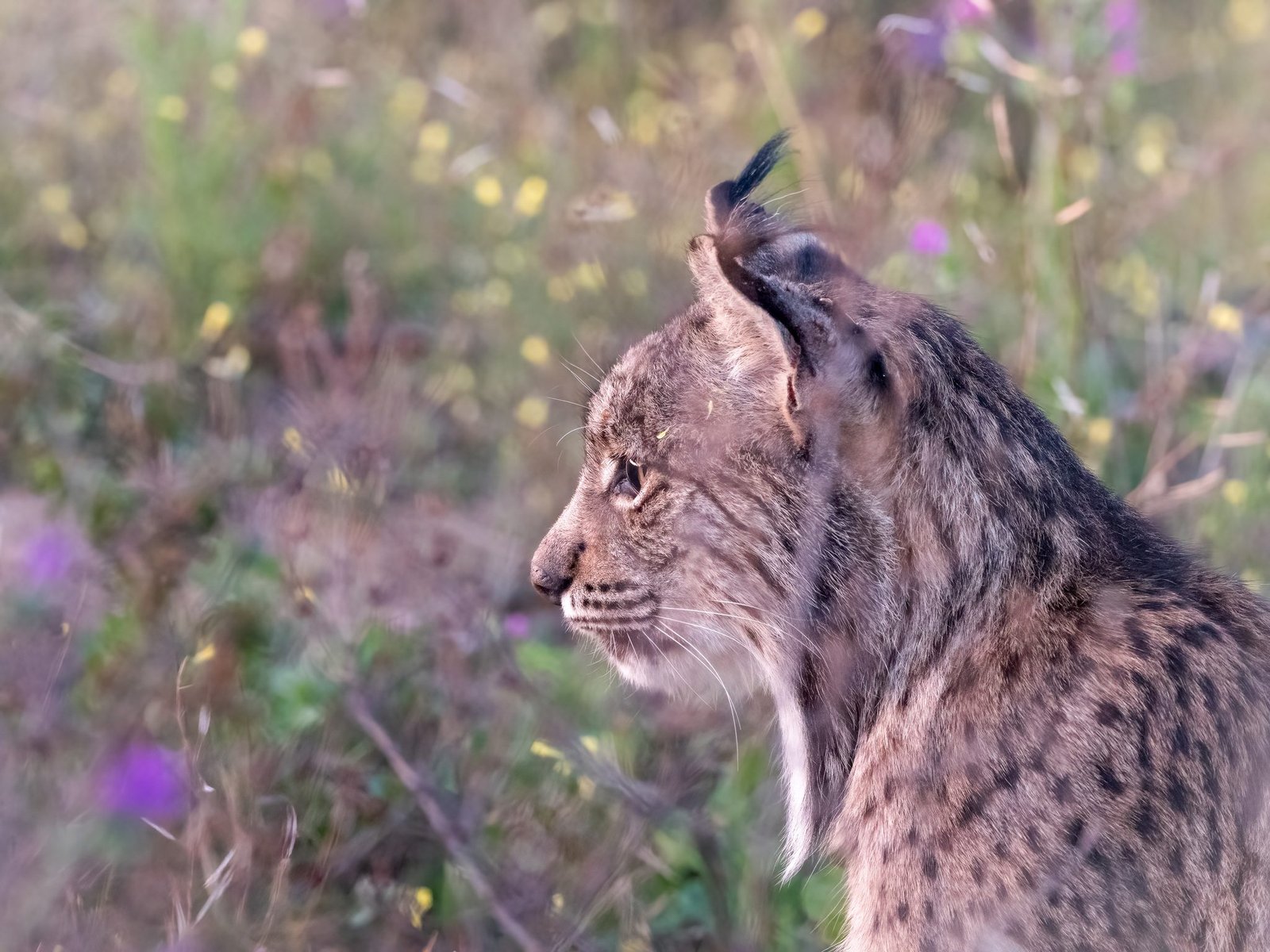
IUCN’s 2024 recovery announcement reports 62 mature Iberian lynx in 2001. That historical estimate counts mature individuals, not animals of all ages. Sustained conservation helped turn the species away from the brink.
What followed became one of conservation’s clearest modern demonstrations that decline can be reversed. It also showed why recovery is never a single heroic act.
No one action brought the lynx back.
Captive breeding created animals for reintroduction, but release sites also needed rabbits, shelter, safe roads, and connected habitat. Genetics had to be managed after the population bottleneck. Landowners, agencies, scientists, veterinarians, and local communities had to keep working across boundaries.
By 2024, the species had improved from Endangered to Vulnerable on the IUCN Red List. That change records real biological progress. It is not a ceremonial reward and it does not mean the job is finished.
Every lynx population is also a rabbit story.
European rabbits make up most of the Iberian lynx’s diet. Rabbit disease or collapse therefore reaches directly into lynx survival and reproduction. Mediterranean scrub, open pasture, secure den sites, and abundant prey must work together as a living mosaic.
Road deaths, genetic bottlenecks, wildfire, drought, and fragmented habitat can still reverse gains. The 2024 IUCN Green Status assessment classified the species as Largely Depleted, reflecting how far it remains from full ecological recovery across its former range.
Success changes the work. It does not remove the work.
The next phase is not simply to count more lynx. It is to maintain rabbit-rich landscapes, reconnect populations, reduce preventable mortality, and keep genetic diversity from narrowing again.
That is why recovery is a verb. It is habitat restored, a crossing built, a rabbit population monitored, a conflict answered, and another season of patient evidence. Hope becomes durable when people continue doing the things that made it possible.