
Southern Tiger Cat
Leopardus guttulus
Mixing does not erase every boundary.
Look closer ↓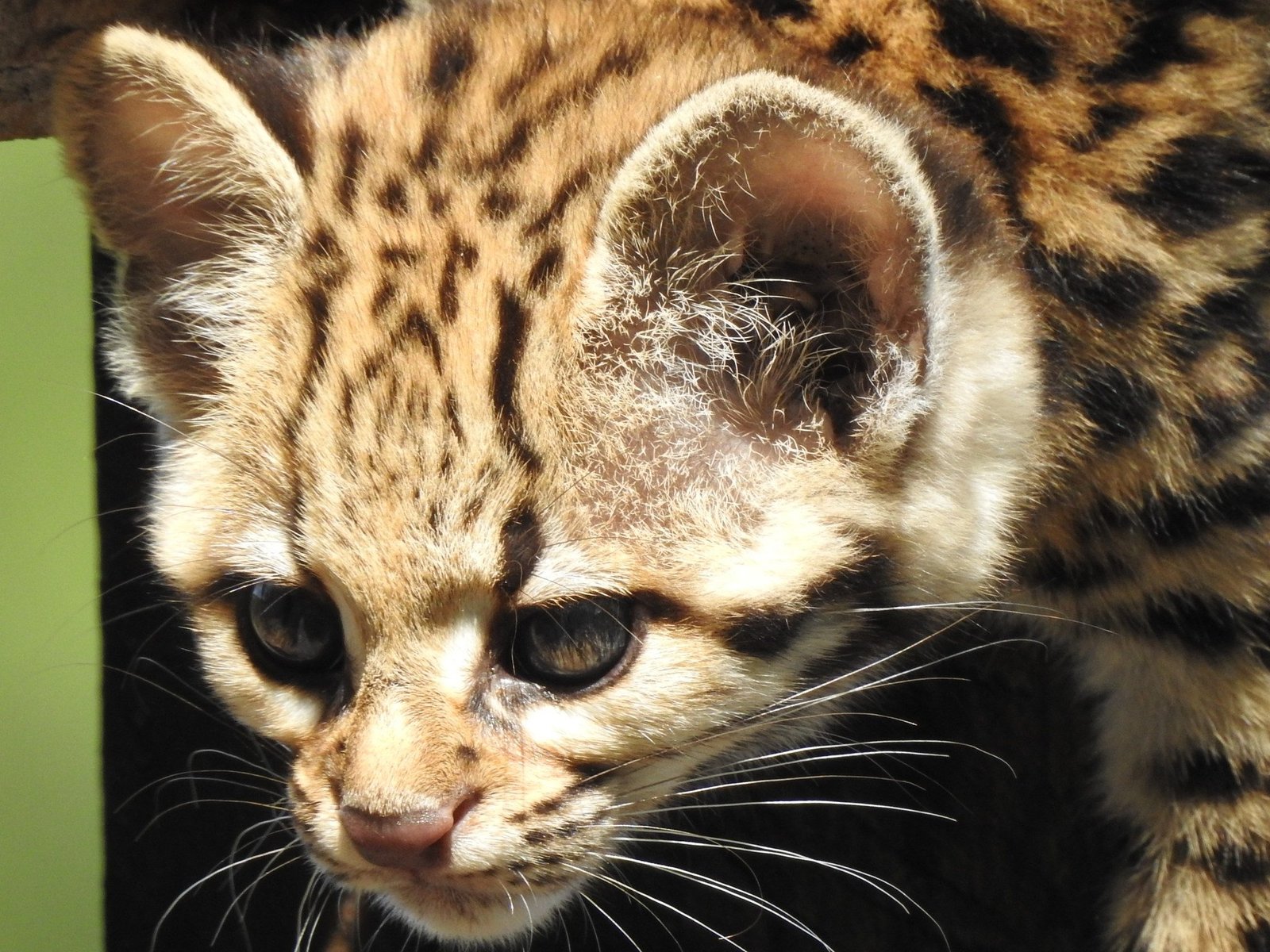
K. Musálem · CC BY-SA 4.0
Mixing does not erase every boundary.
Natural hybridisation can occur between distinct species. The Southern Tiger Cat’s relationships show why evidence of mixing does not automatically settle every taxonomic question.
Natural hybridization does not automatically erase species identity
Conceptual explanation; not a phylogenetic tree or a claim of consensus.Its world.
Its conservation.
Reconnect forest remnants
Native corridors, restored stream edges, and retained cover can turn isolated fragments into a landscape a small cat can cross.
Monitor beyond reserves
Camera traps and long-term studies on farms, forest edges, and community lands can reveal where important populations actually persist.
Reduce deaths near people
Poultry protection, dog management, road mitigation, and enforcement against capture address direct threats without blaming local communities.
K. Musálem · CC BY-SA 4.0
Keep the method
in the picture.
Genetic studies can detect mixing and differentiation together; both need interpretation in context.
What don’t we know?
How do contact zones affect conservation without being mistaken for the whole species?
Geographic context
Central & southern Brazil, Paraguay & northeastern Argentina.
This is geographic context, not a mapped distribution. Range polygons require taxon, date and reuse review before publication.
A different cat.
A different question.
Sources & Research Notes
Inherited research adapted to the locked editorial lesson; current assessment and independent scientific sign-off pending.
- IUCN SSC Cat Specialist Group · Southern tiger cat
- 2024 Scientific Reports study · Tiger-cat complex
- 2017 revised taxonomy of Felidae
Assessment year and field-data period are different. A source check does not update an assessment.