euqirneto · CC BY 4.0

Protecting a wild identity.
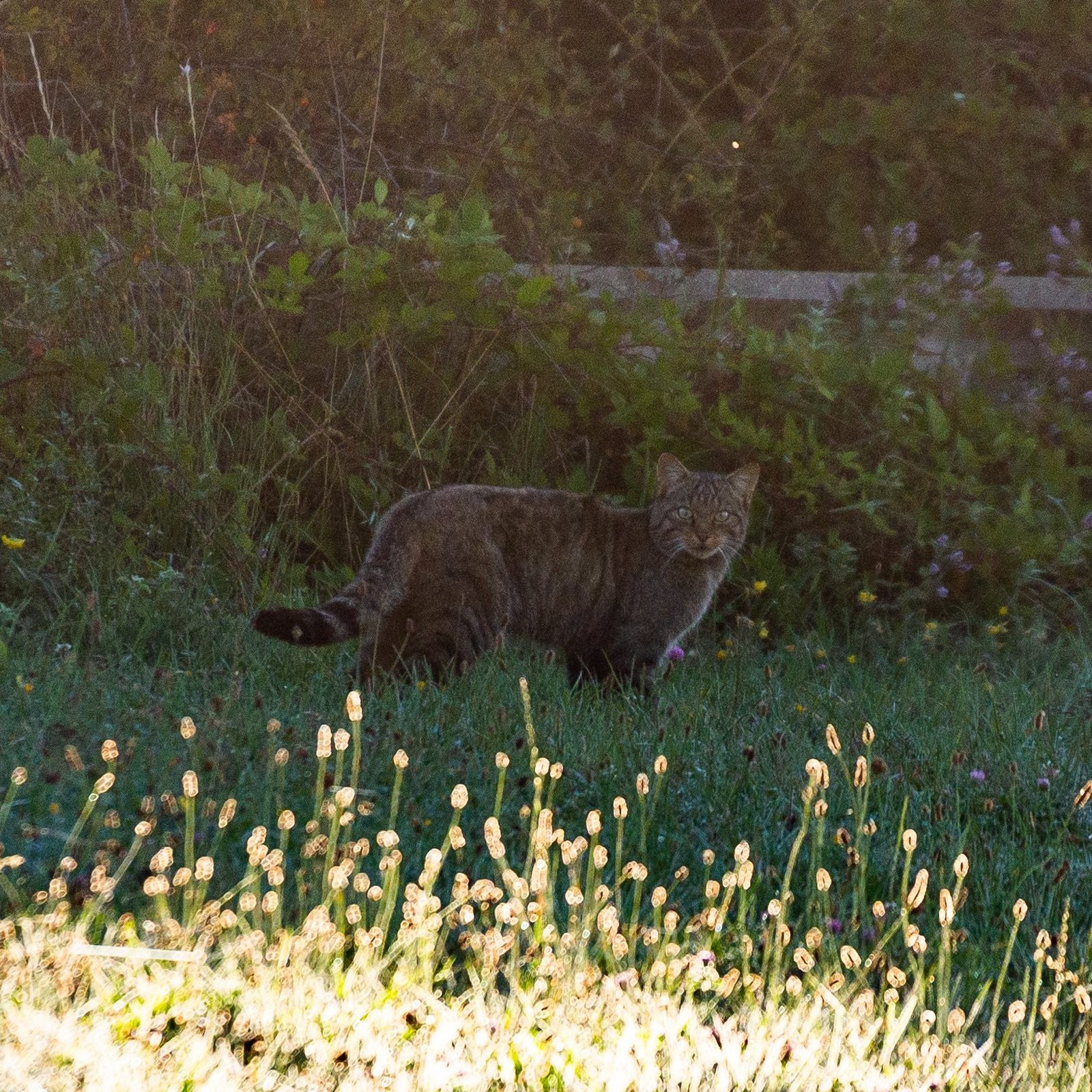
Conservation can involve more than keeping a familiar shape in the landscape. For European Wildcats, genetic identity matters, and its condition varies among populations.
Conservation can mean preserving genetic identity
Conceptual comparison, not measured data.Its world.
Its conservation.
Identify wildcats consistently
Shared genetic and morphological standards help conservationists distinguish wildcats, domestic cats, and hybrids.
Reconnect forest populations
Corridors, road crossings, and structurally rich habitat allow movement without forcing cats through high-risk landscapes.
Reduce domestic-cat impacts
Vaccination, sterilisation, responsible ownership, and targeted management address disease and hybridisation near wildcat habitat.
Keep the method
in the picture.
Genetic analysis can investigate mixing with domestic cats; a photograph alone cannot certify ancestry.
What don’t we know?
Where does hybridisation most threaten distinct wild populations?
Geographic context
Europe.
This is geographic context, not a mapped distribution. Range polygons require taxon, date and reuse review before publication.
A different cat.
A different question.
Sources & Research Notes
Inherited research adapted to the locked editorial lesson; current assessment and independent scientific sign-off pending.
Assessment year and field-data period are different. A source check does not update an assessment.