
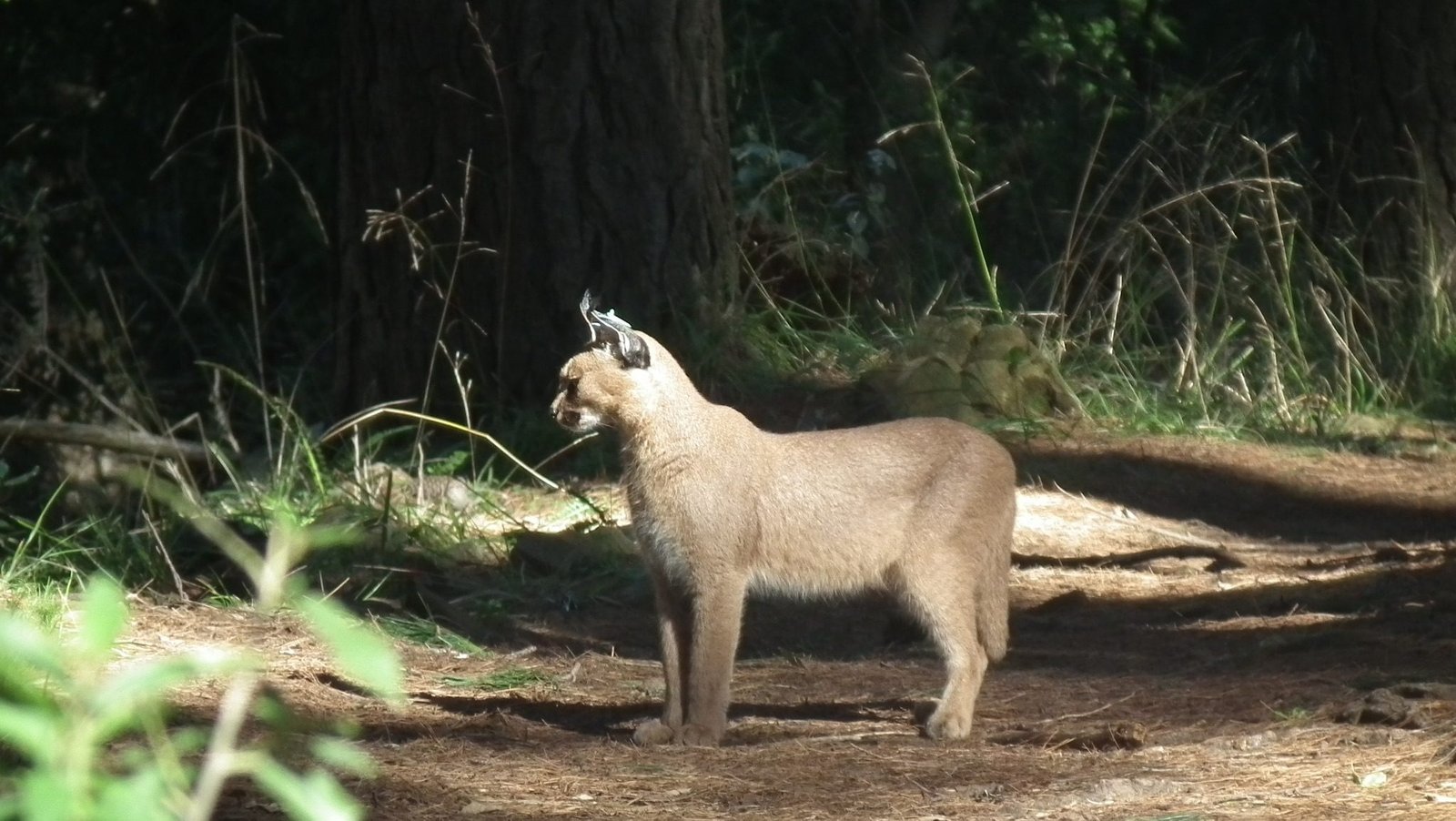
Shaun Swanepoel · CC BY 4.0
Flexible habitat. Real limits.
The Caracal uses a wide range of environments. Habitat flexibility can help a species persist, but it does not make every pressure manageable or every altered landscape equally useful.
Adaptability to habitat does not mean adaptability to every threat
Conceptual comparison, not measured data.Its world.
Its conservation.
Protect small stock before conflict starts
Local prevention plans can combine secure night enclosures, attentive herding, and investigation of livestock losses; results need monitoring.
Map the range’s quiet edges
Surveys in North Africa and Asia can identify remnant populations, corridors, and mortality hotspots that a global status obscures.
Reduce indiscriminate control
Investigate livestock losses before taking action, and avoid indiscriminate poisoning, trapping, or shooting that can harm other wildlife.
Shaun Swanepoel · CC BY 4.0
Keep the method
in the picture.
Regional field records reveal habitat use; they need local threat information to explain conservation outcomes.
What don’t we know?
Where does apparent adaptability mask increasing conflict or habitat loss?
Geographic context
Africa & parts of Asia.
This is geographic context, not a mapped distribution. Range polygons require taxon, date and reuse review before publication.
A different cat.
A different question.
Sources & Research Notes
Inherited research adapted to the locked editorial lesson; current assessment and independent scientific sign-off pending.
- IUCN SSC Cat Specialist Group · Caracal
- IUCN SSC Cat Specialist Group · Small Cat Report (2024; background report)
Assessment year and field-data period are different. A source check does not update an assessment.